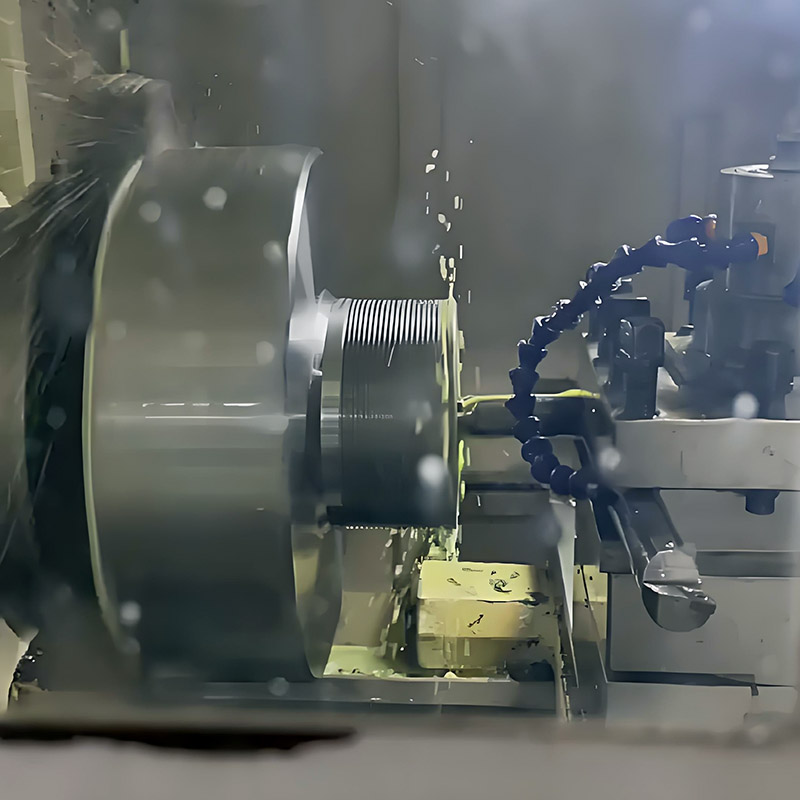
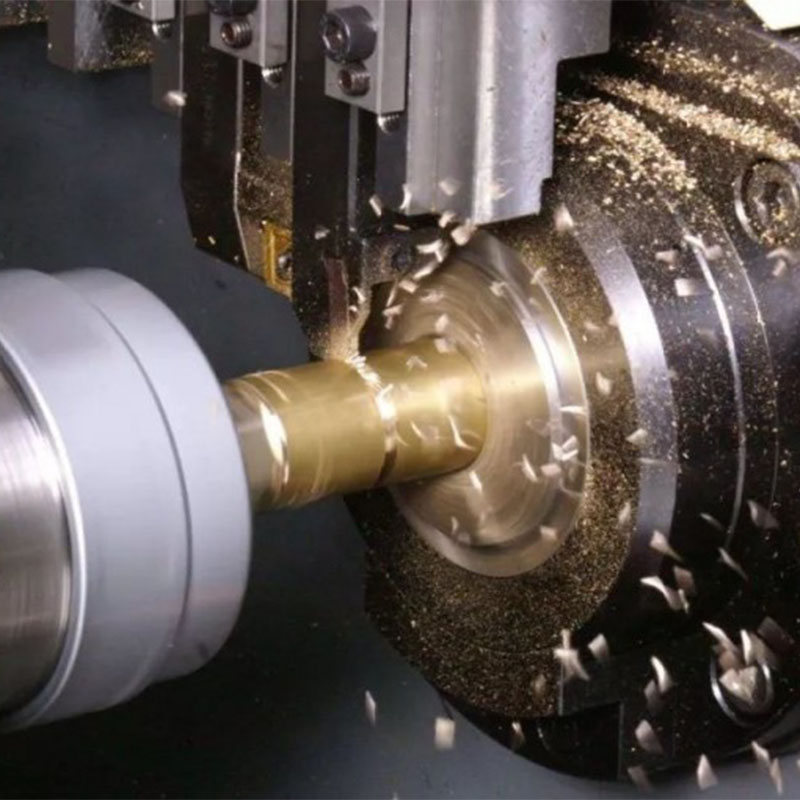
1045 steel is a widely used medium-carbon structural steel in international mechanical manufacturing and foreign trade engineering projects. Balancing strength, hardness and machinability, 1045 steel delivers better tensile strength, rigidity and wear resistance than 1020 low-carbon steel, while retaining stable cutting performance compared with high-alloy steel. It is suitable for medium-load transmission parts, mechanical structural […]

Uncategorized
1020 steel is a common low-carbon mild steel widely adopted in general mechanical structures, standard fasteners, connecting accessories, stamping parts and conventional equipment frames for global foreign trade projects. With low carbon content, excellent ductility, outstanding weldability and good plasticity, 1020 steel features easy processing, low comprehensive cost and no quenching brittleness. It is extensively […]
42CrMo, internationally known as AISI 4140 alloy steel, is a high-strength quenched and tempered structural steel widely used in high-load mechanical transmission systems, hydraulic equipment, automotive power components, engineering machinery and precision tooling fixtures. Featuring high tensile strength, excellent toughness, good hardenability and outstanding fatigue resistance, 4140 steel can maintain stable mechanical performance under heavy […]
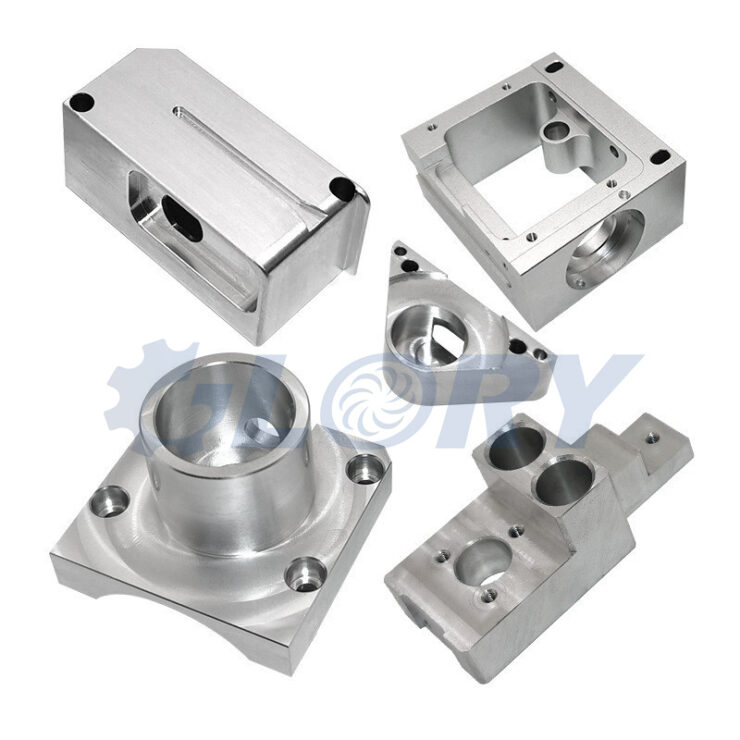
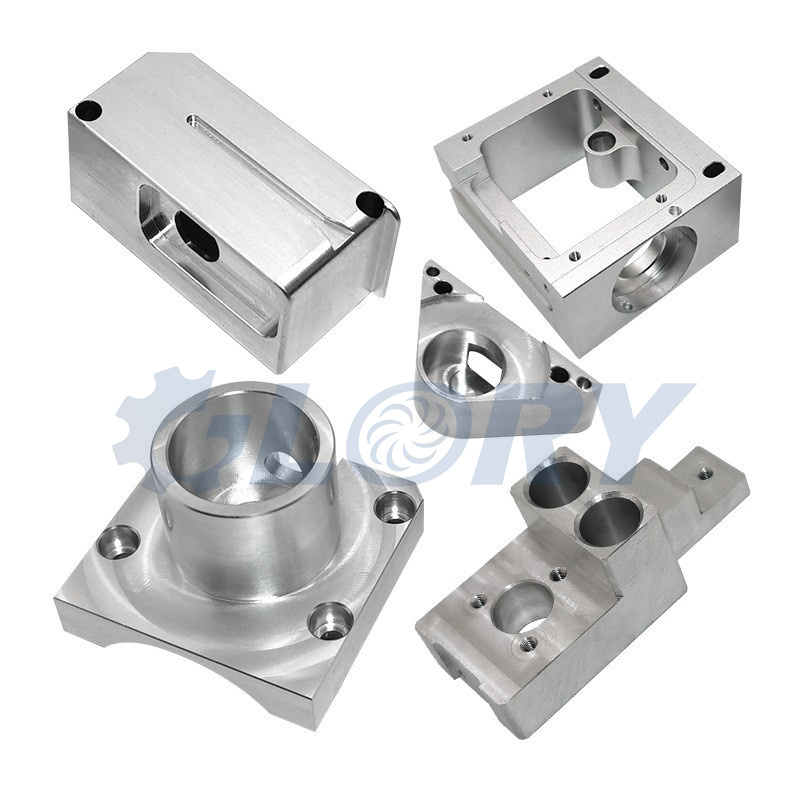
Looking for top-quality CNC machining for aluminum parts? Our company specializes in precision machining of aluminum alloys, delivering high-performance components that meet your exact specifications. With advanced 3-axis, 4-axis, and 5-axis CNC machines, we ensure precise tolerances, excellent surface finishes, and high durability. Aluminum is ideal for industries such as aerospace, automotive, electronics, and medical […]
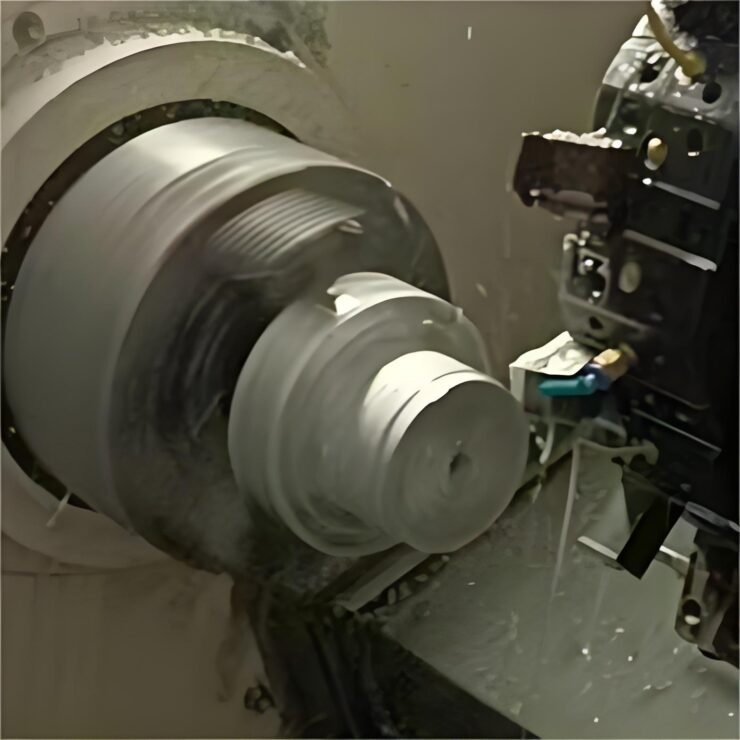
In today’s competitive marketplace, businesses across various sectors demand precision, efficiency, and reliability in their components. Custom CNC machining services have become the cornerstone of modern manufacturing, providing tailored solutions to meet the unique needs of industries such as aerospace, medical, automotive, marine, and more. With advancements in CNC technology, manufacturers can now produce highly […]
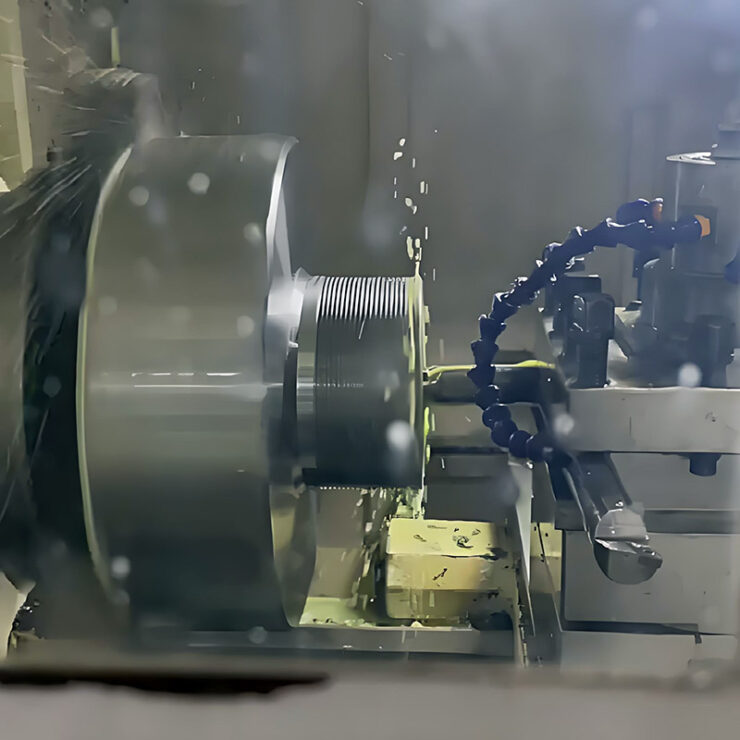
Methods to Remove Tool Marks in Turning Process for Custom Machined Parts: By applying these methods and selecting appropriate processes and tools based on the material and machining requirements, tool marks can be minimized or eliminated, resulting in high-quality surface finishes. Qingdao Glory are machining CNC turned parts according to customer’s drawing. We can machine […]
When machining slender shafts, challenges such as deformation, vibration, and increased cutting difficulty often arise. To ensure the machining quality, the following points should be carefully considered: Lack of workpiece rigidity: Slender shafts usually have poor rigidity and are prone to deformation or vibration. Use steady rests or follow rests to support both ends or […]
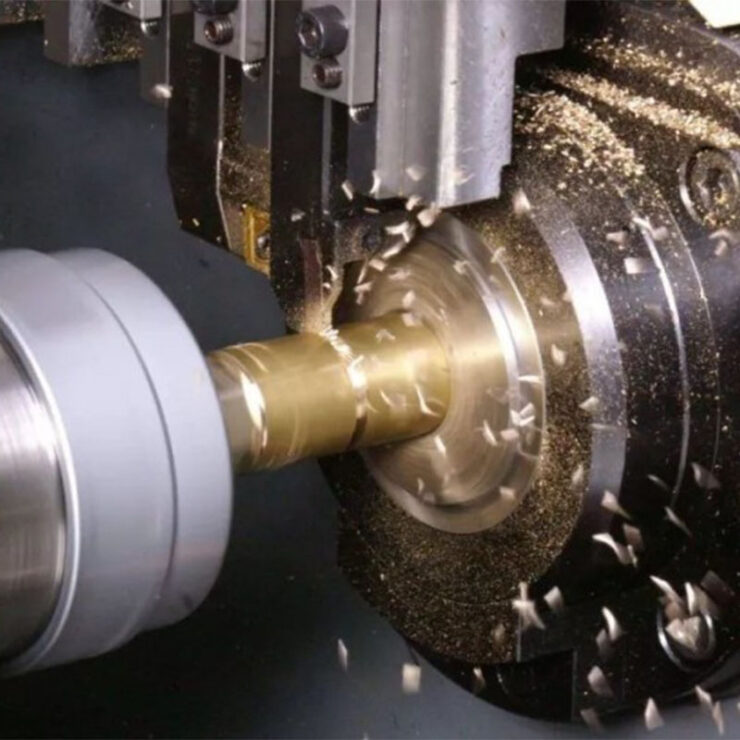
The phenomenon of chatter during machining is usually caused by vibrations of the tool, workpiece, or machine, which can lead to reduced machining accuracy, increased surface roughness, or even tool damage. To solve this issue, the following approaches can be considered: By considering these factors, the issue of chatter during machining can be significantly reduced, […]
About Us
 We provide custom machined parts, 5-axis linkage CNC machining, and the design, production, and assembly of machinery and equipment.