
1020 steel is a common low-carbon mild steel widely adopted in general mechanical structures, standard fasteners, connecting accessories, stamping parts and conventional equipment frames for global foreign trade projects. With low carbon content, excellent ductility, outstanding weldability and good plasticity, 1020 steel features easy processing, low comprehensive cost and no quenching brittleness. It is extensively exported to Europe, Southeast Asia, the Middle East and other regions, mainly used for non-high-load structural components, welded parts and general assembly accessories. Different from high-hardness alloy steel and corrosion-resistant stainless steel, 1020 mild steel has unique machining characteristics, putting forward targeted requirements for cutting parameters, deburring and surface finishing processes.
Although 1020 steel is defined as easy-to-machine material, improper processing control will still cause common defects such as continuous tangled chips, surface scratch damage, excessive burrs and dimensional inconsistency in batch production. As a professional foreign trade precision machining manufacturer focusing on full-spectrum metal material processing, we have formed standardized and mature machining processes for 1020 mild steel, effectively optimizing surface quality and batch stability to provide cost-effective and high-qualified custom steel parts for overseas clients.
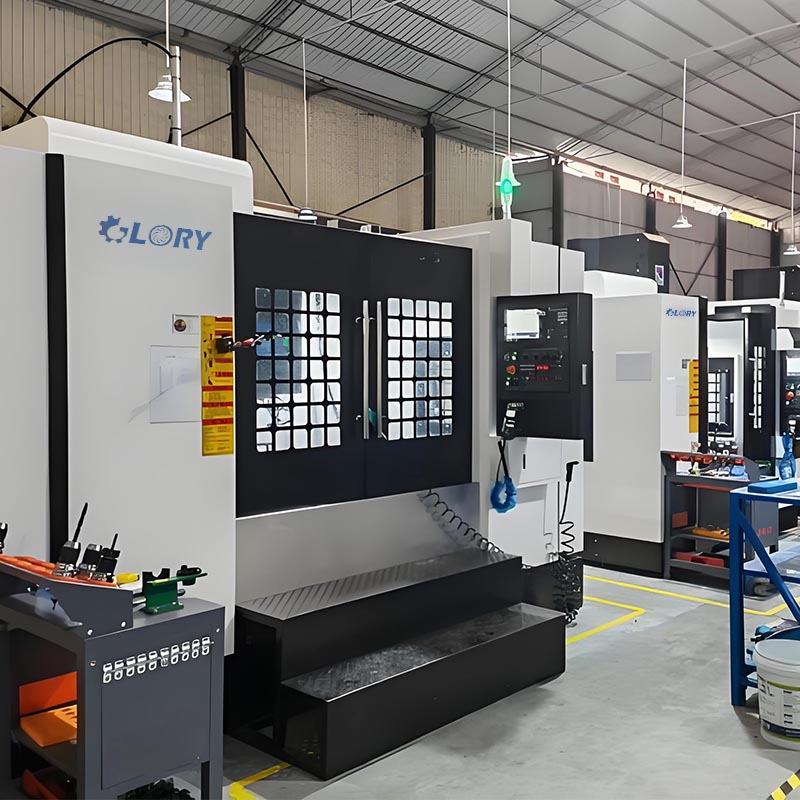
1. Machining Features of 1020 Low-Carbon Steel
1020 mild steel possesses soft texture, good toughness and low cutting hardness, whose machining properties are completely different from 4140 alloy steel, 304/316 stainless steel and aviation aluminum. Its core processing characteristics are summarized as follows:
• Good plasticity and easy chip entanglement: The material produces long continuous tangled chips during cutting, which are easy to wrap around tools and scratch the workpiece surface.
• Easy burr formation: The soft edge texture leads to obvious flash and burrs after cutting, requiring strict finishing and deburring procedures.
• Low cutting resistance but poor rigidity: Thin-wall and thin-plate 1020 parts are prone to slight deformation under clamping force and cutting force.
• High requirement for surface uniformity: General structural and appearance parts need smooth and scratch-free surfaces to meet overseas assembly and coating pretreatment standards.
2. Complete Machining Process System for 1020 Steel
We provide one-stop customized deep processing for 1020 steel plates, round bars, flat steel and profiles, covering precision CNC turning, conventional & CNC milling, drilling, reaming, tapping, grooving, cutting, bending, welding forming, surface finishing and standardized deburring. We customize various structural brackets, connecting pins, base plates, standard and non-standard fasteners, welded assembly parts and general mechanical accessories strictly in accordance with ISO, DIN and ANSI international standards. The processed parts are widely applicable to non-load-bearing and light-load mechanical assembly, fully meeting the conventional equipment matching requirements of overseas customers.
2.1 Precision CNC Turning for Rotary Structural Parts
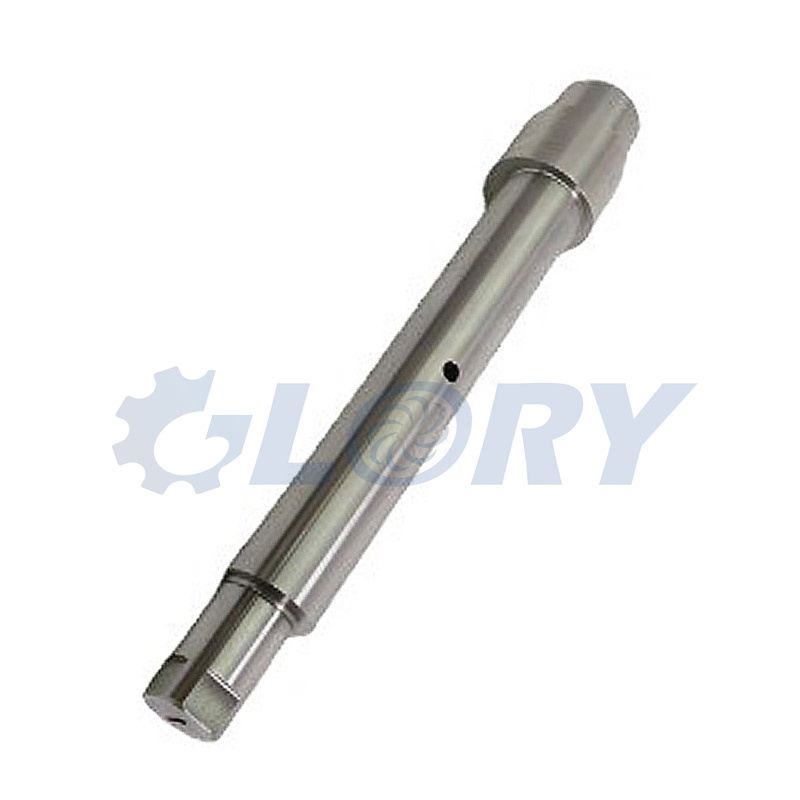
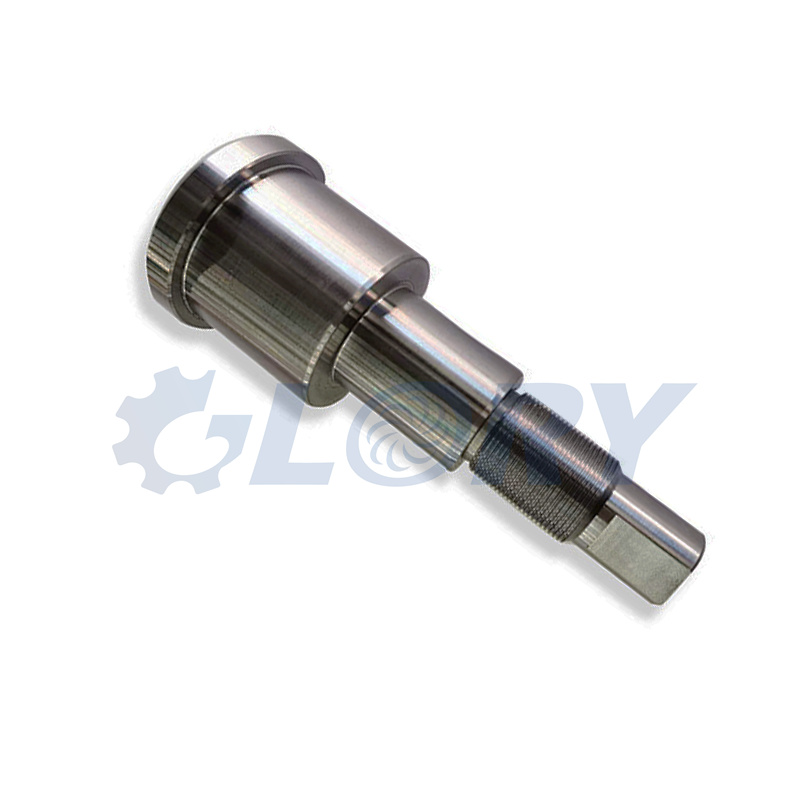
For 1020 steel pin shafts, sleeve connectors, step shafts and circular fastener parts, we adopt optimized high-speed turning process for mild steel. Aiming at the problems of tangled chips and tool adhesion of low-carbon steel, we configure dedicated chip breakers and adjust reasonable speed-feed matching parameters, effectively avoiding chip wrapping and surface scratching. We strictly control the roundness, coaxiality and end-face flatness of rotary parts, with conventional tolerance stably controlled within ±0.02mm. For slender shaft parts with poor rigidity, we adopt segmented turning and auxiliary support technology to reduce vibration, ensuring stable dimensional accuracy and smooth surface texture of batch products.
2.2 Precision Milling for Plate & Special-Shaped Parts
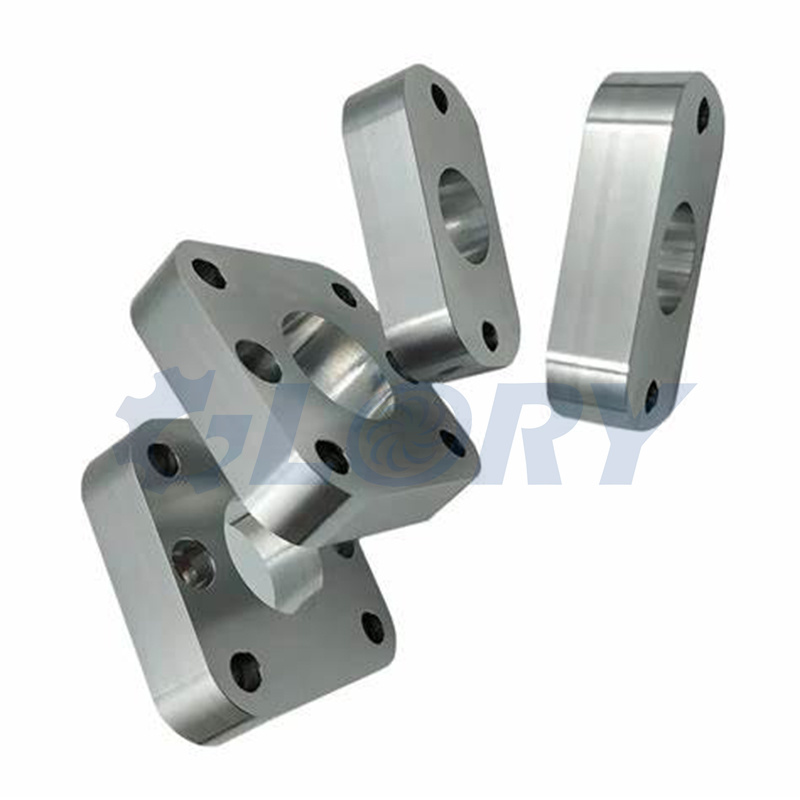
We apply CNC milling process for 1020 steel base plates, mounting brackets, flat structural parts and special-shaped frame parts. In view of the easy deformation and burr generation characteristics of mild steel plates, we adopt layered light cutting and uniform force clamping scheme to avoid extrusion deformation and edge warping. For large flat plates and thin structural parts, we optimize tool path arrangement to reduce cutting vibration, ensuring stable flatness and parallelism. All milling surfaces are free of obvious tool marks and concave-convex defects, reaching uniform surface finish and meeting the pretreatment requirements of subsequent spraying, painting and galvanizing for export parts.
2.3 Drilling and Tapping for Assembly Holes
1020 steel has good hole machining performance, but long-term continuous processing easily causes hole wall burrs and orifice flash. For assembly through holes, counterbore holes and positioning holes, we adopt graded drilling and orifice finishing process to ensure smooth hole walls and accurate aperture. For M3–M20 metric and imperial threads, we use high-precision steel taps with stable torque parameters to ensure full and uniform thread teeth without slipping or tooth collapse. All threaded holes and positioning holes pass go/no-go gauge inspection to guarantee smooth assembly and good interchangeability for overseas batch installation.
2.4 Post-Processing and Surface Auxiliary Treatment
All finished 1020 steel parts undergo full-range fine deburring and edge rounding to remove residual flash and sharp edges, complying with international mechanical safety and assembly standards. According to customer export requirements, we support auxiliary processes such as sandblasting, galvanizing, black oxide treatment, anti-rust oil coating and surface polishing. These treatments effectively improve the anti-rust performance and appearance uniformity of mild steel parts, avoiding oxidation and rust during long-distance sea transportation and overseas warehouse storage.
3. Overseas Practical Machining Cases
Case 1: Batch Processing of 1020 Steel Structural Base Plates for Southeast Asian Automation Equipment
A Thailand automation equipment manufacturer purchased large batches of 1020 steel flat base plates and mounting support brackets for light-load assembly line equipment. The customer’s core requirements include flat and deformation-free plate surface, no burrs or scratches, consistent batch dimensions, and qualified surface condition for subsequent spraying treatment. The previous supplier had frequent problems such as edge burr residue, plate slight warping and uneven surface tool marks, affecting subsequent processing and assembly efficiency.
We formulated a targeted light-load cutting process for 1020 mild steel: adopting vacuum adsorption uniform clamping and layered low-vibration milling to ensure plate flatness; matching professional chip breaking process to completely solve surface scratch and burr problems. All finished parts undergo flatness calibration and full appearance inspection. The whole batch of products features stable dimensions, smooth surface and zero assembly defects. After spraying treatment by the customer, the surface coating is uniform and flawless. The customer has maintained long-term bulk procurement cooperation.
Case 2: Custom 1020 Steel Pin Shaft Fastener Parts for European General Machinery
A Polish mechanical trading company customized multi-specification small-batch 1020 steel pin shafts, connecting sleeves and threaded fastener accessories, used for general mechanical positioning and connection. The customer required precise thread tolerance, smooth shaft surface, no burr protrusions and good batch interchangeability. Due to poor process control of other manufacturers, the market common 1020 parts often have tangled chip scratches and unqualified thread engagement.
We optimized the turning and tapping process for mild steel parts: adjusting special chip breaking parameters to avoid surface damage; adopting low-speed finishing tapping to ensure precise thread matching. All products pass strict gauge inspection and appearance screening. The delivered pin shaft parts have high dimensional consistency, smooth assembly and stable use effect, completely meeting European general machinery assembly standards. The customer has established stable long-term cooperative relations.


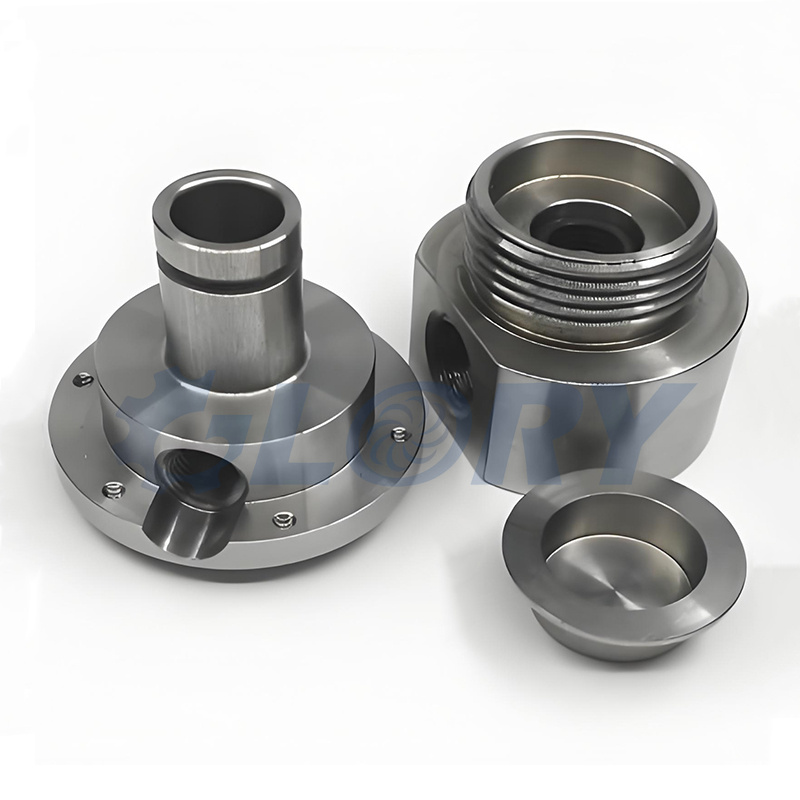
4. Our Export Machining Advantages for 1020 Mild Steel
We specialize in precision machining of 1020 low-carbon steel, supporting drawing customization, small-batch trial production and large-scale mass production. We have rich experience in solving mild steel processing pain points such as chip entanglement, burr residue and plate deformation. All products comply with international ISO, DIN and ANSI standards, and we can provide complete dimensional inspection reports and material certificates for overseas customer review and customs clearance. We adopt professional anti-rust packaging, shockproof and moisture-proof protection measures to ensure no rust or deformation during sea transportation. With stable batch quality, high finishing level and cost-effective processing solutions, we provide global clients with reliable one-stop precision machining services for general mild steel mechanical parts.
 We provide custom machined parts, 5-axis linkage CNC machining, and the design, production, and assembly of machinery and equipment.