Custom precision CNC turning service in China
Drawings · Materials · Precision turning

Custom precision CNC turning service in China

As a custom CNC turning service in China, we manufacture rotationally symmetric machined parts directly from customer drawings — from one-off engineering prototypes and first articles to repeat series production. Every shaft, sleeve, bushing, fitting, pin, spacer, nipple and threaded component is cut to the print, with material, geometry, dimensional tolerance and surface roughness agreed in writing before any metal is cut.

The sections below explain the materials and cross-standard grade names we work with every day, the turning envelope our floor typically runs, the product families we produce most often, and the way a job moves from an incoming drawing to a cleaned, measured and export-packed parcel. These are the practical details that engineering teams and procurement desks need before releasing a purchase order.

Materials · Grade cross-reference

Turned materials and their grade names under US, European and Japanese standards

Machining drawings arrive under different national standard systems, and a custom CNC turning service in China has to translate between them every day: a US AISI or ASTM grade, a European EN/DIN material number and a Japanese JIS designation very often describe the same alloy. The matrix below lists the materials we turn most frequently, together with their common cross-standard equivalents. When a print names only one standard, we match the closest equivalent grade and confirm it in writing before production begins.

Stainless steels

Austenitic grades for corrosion-resistant parts and free-machining martensitic grades suited to high-productivity automatic lathe work, including sealing seats and threaded connectors.

FamilyUS · AISI/ASTMEurope · EN/DINJapan · JIS
304 / 304L304 / 304L1.4301 / 1.4306
X5CrNi18-10
SUS304 / SUS304L
316 / 316L316 / 316L1.4401 / 1.4404
X2CrNiMo17-12-2
SUS316 / SUS316L
Free-mach. 3033031.4305
X8CrNiS18-9
SUS303
Free-mach. 4164161.4005
X12CrS13
SUS416
Precip. hardening17-4 PH (630)1.4542
X5CrNiCuNb16-4
SUS630

Carbon & alloy steels

General engineering and heat-treatable steels selected for strength, wear resistance and predictable cutting behaviour in normalized, quenched or tempered condition.

FamilyUS · AISI/ASTMEurope · EN/DINJapan · JIS
Medium carbon10451.1191 · C45ES45C
Cr-Mo alloy41401.7225 · 42CrMo4SCM440
Ni-Cr-Mo alloy43401.6511 · 36CrNiMo4SNCM439
Free-cutting12151.0715 · 11SMn30SUM22
Leaded free-cut.12L141.0718 · 11SMnPb30SUM24L

Tool & die steels

Wear-resistant cold-work and hot-work tool steels for tooling bodies, forming components and high-hardness inserts, usually turned in the annealed state before hardening.

FamilyUS · AISI/ASTMEurope · EN/DINJapan · JIS
Cold-work D2D21.2379 · X153CrMoV12SKD11
Hot-work H13H131.2344 · X40CrMoV5-1SKD61
Cold-work A2A21.2363 · X100CrMoV5SKD12
Oil-hardeningO11.2842 · 90MnCrV8SKS3

Aluminum alloys

Lightweight non-ferrous alloys that turn at high spindle speeds and feeds with stable diameter control, used for housings, pistons, spacers, bosses and thermal components.

FamilyUS · AA/ASTMEurope · EN AWJapan · JIS
General 60616061EN AW-6061
AlMg1SiCu
A6061
High-strength7075EN AW-7075
AlZn5.5MgCu
A7075
Al-Cu 20242024EN AW-2024
AlCu4Mg1
A2024
Sheet-grade5052EN AW-5052
AlMg2.5
A5052

Brass, copper & bronze

Free-cutting brass and bearing bronzes run at very high cutting speeds with long insert life — a natural fit for fluid connectors, nuts, seats, nozzles and wear bushes.

FamilyUS · ASTM/CDAEurope · EN/DINJapan · JIS
Free-cut brassC36000CuZn39Pb3 · CW614NC3603
ETP copperC11000Cu-ETP · CW004AC1100
Phosphor bronzeC51900CuSn6 · CW452KC5191
Bearing bronzeC93200 (SAE 660)CuSn7ZnPb · RG7SAE 660

Titanium & superalloys

High-strength, heat and corrosion-resistant alloys turned with sharp edges, conservative feeds and generous coolant for the most demanding service environments.

FamilyUS · AMS/ASTMEurope · EN/DINJapan · JIS
TitaniumTi-6Al-4V (Gr.5)3.7165 · TiAl6V4TP340 / 6-4
Inconel 718AMS 56622.4668 · NiCr19Fe19Nb5NCF718
Inconel 625ASTM B4462.4856 · NiCr22Mo9NbNCF625
Hastelloy C-276ASTM B5742.4819 · NiMo16Cr15WNW0276
Monel 400Monel 4002.4360 · NiCu30FeNW4400

Designations shown are commonly used cross-references for procurement and machining guidance. Exact chemistry, delivery condition (hot rolled, cold drawn, normalized, solution treated, aged) and dimensional tolerances of stock always follow the drawing and the mill record of the delivered bar.

Capabilities · What the lathes actually do

Precision turning capability, process by process

A reliable custom CNC turning service in China is defined less by machine count than by control over the details that decide whether a turned part works: diameter stability over a long batch, concentricity between seats, clean thread flanks, and a surface roughness that seals and wears as designed. The six capability areas below cover the questions raised in most incoming drawings.

Bar and chucking envelope

Slender pins from around Ø1 mm and chucked blanks up to roughly Ø300 mm, with turned lengths typically to 600 mm. Bar-fed lathes run stock up to Ø65 mm unattended for series work, while larger flanges, housings and pre-formed blanks are held in chucks.

Dimensional tolerance control

Critical diameters can be held to ±0.005 mm and IT5–IT8 grades on functional surfaces. Concentricity, cylindricity, roundness and perpendicularity are controlled through fixturing strategy, finishing allowances and scheduled in-process measurement.

Surface roughness

Standard as-turned surfaces land around Ra 1.6–3.2 µm. Fine turning with sharp inserts and controlled finish passes reaches Ra 0.8 on bearing and sealing seats, with polishing available when the print calls for Ra 0.4 or a defined directional pattern.

Turn-mill with live tooling

Live radial and axial tools mill flats, drive cross-holes, cut keyways and drill or tap off-axis features in a single clamping. Fewer setups mean less stack-up error and shorter lead time on parts that would otherwise need a second operation.

Threads and formed profiles

Metric M and unified UN/UNF threads, NPT, BSPP and BSPT pipe threads, Acme and trapezoidal (Tr) leadscrew forms, custom grooves, knurls, radii, undercuts and contoured profiles are all produced on the turning centre itself.

Prototype to series flexibility

From a single 1-off part for fit and function checks, through 5–50 piece pilot runs, to scheduled repeat lots. Bar feeders, saved programs, setup records and first-piece documentation keep repeat batches geometrically consistent.

Workflow · Drawing to delivery

How a custom turned part moves through the workshop

The same four-stage route applies to a single prototype and to a five-thousand-piece series, so overseas customers always know at which stage their order stands.

STEP 01

Drawing review & DFM feedback

Tolerances, material call-outs, thread standards, corner radii and deburring notes are reviewed; costly or unmanufacturable features are flagged with practical alternatives before cutting starts.

STEP 02

Material & programming

Stock is selected against the named grade or the confirmed equivalent; tool paths are programmed offline, simulated for collision and cycle time, and fixturing and inspection plans are prepared.

STEP 03

Turning & in-process checks

Roughing, finishing, grooving, threading and live-tool operations run on CNC lathes; operators measure critical dimensions at fixed intervals and compensate for insert wear and thermal drift.

STEP 04

Measurement, treatment & packing

Parts are deburred, cleaned and measured against the print, sent for agreed surface treatment, then dried, corrosion-protected and packed for international transport.

Applications · Industries served

Where our custom turned components go to work

Turned geometry appears wherever rotation, sealing, threaded connection or precise spacing is required. The six industry clusters below account for most of the repeat work on our floor.

Hydraulic & fluid power

Cylinder components, pistons, valve spools, adapter fittings, connector bodies and sealing seats that depend on clean threads and fine surface finishes.

Gearboxes & power transmission

Worm shafts, pinion blanks, input and output shafts, spacers, bearing sleeves and bush housings with tightly controlled concentricity between seats.

Automotive, truck & EV

Shafts, pins, inserts, sensor bodies and transmission components in steel, stainless and aluminium, produced in consistent repeat batches.

Oil, gas, marine & chemical

Corrosion-resistant parts in 316/316L stainless and nickel alloys for valves, connectors, instrumentation lines and aggressive-environment assemblies.

Packaging, food & textile machinery

Stainless rollers, knurled adjusters, guide bushes, cam followers and quick-change spare parts that keep production lines running.

Instruments, sensors & electronics

Small precision aluminium and brass components: connector shells, standoffs, threaded inserts, housings and micro-shafts with fine detail work.

Sourcing logic · Why this route

Why engineering buyers work with a custom CNC turning service in China

Price is only one element of the decision. The six points below describe the structural advantages that keep overseas equipment makers re-ordering turned parts from a Chinese workshop, and the way we operationalise each of them.

Wide material availability

Dense regional stock networks cover stainless, alloy and tool steels, aluminium, brass, bronze and high-temperature alloys, including matched cross-standard grades, with short lead times on bar and tube.

No mould investment required

Turning cuts geometry directly from solid bar or tube, so custom parts need no casting moulds, forging dies or stamping tools — and a design revision only changes the program, not a tool.

Engineering-level communication

Drawings are read by machinists familiar with GD&T symbols, surface texture call-outs and Western thread standards; ambiguous notes are resolved in written English before production.

Scalable, repeatable capacity

Several CNC lathes, turn-mill centres and bar feeders absorb urgent one-offs and scheduled repeat orders side by side, with first-article records kept for every running part.

Predictable total cost

Stable cycle times, high material utilisation from sensible blank sizing and honest process planning keep unit cost transparent, without quietly relaxing tolerances to hit a price.

Export-minded finishing and packing

Deburring, cleaning, coordinated surface treatment and export-grade packaging are managed as part of the job, so parts survive weeks of ocean freight without corrosion or knocking.

Product families · Typical turned parts

Representative products from our turning floor

A short visual overview of the component families produced most often. Every item below is made to customer drawing rather than held as catalogue stock.

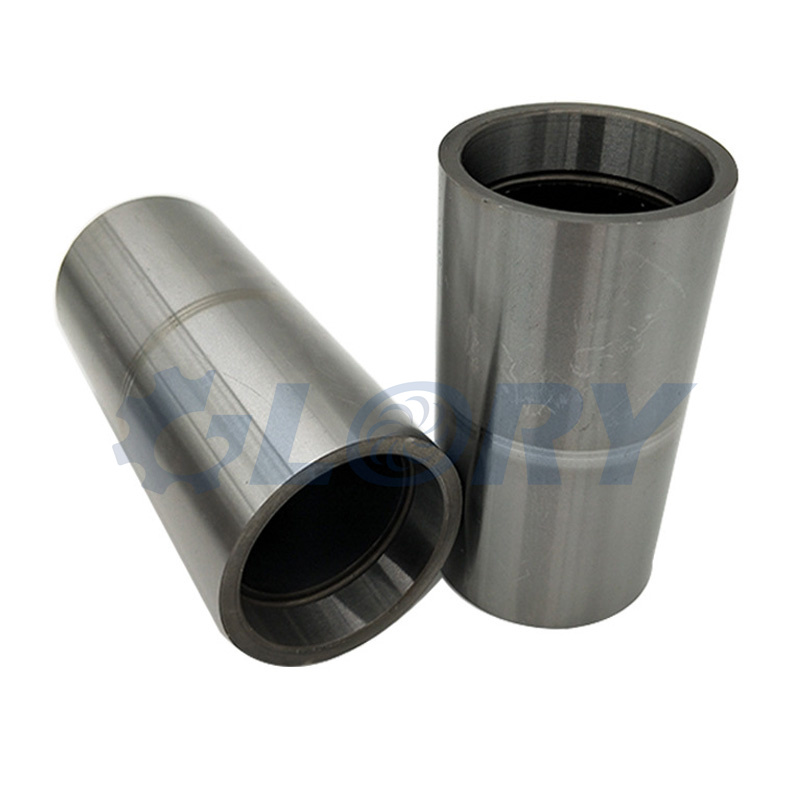
Custom turned sleeve and bushing
Sleeve & Bushing
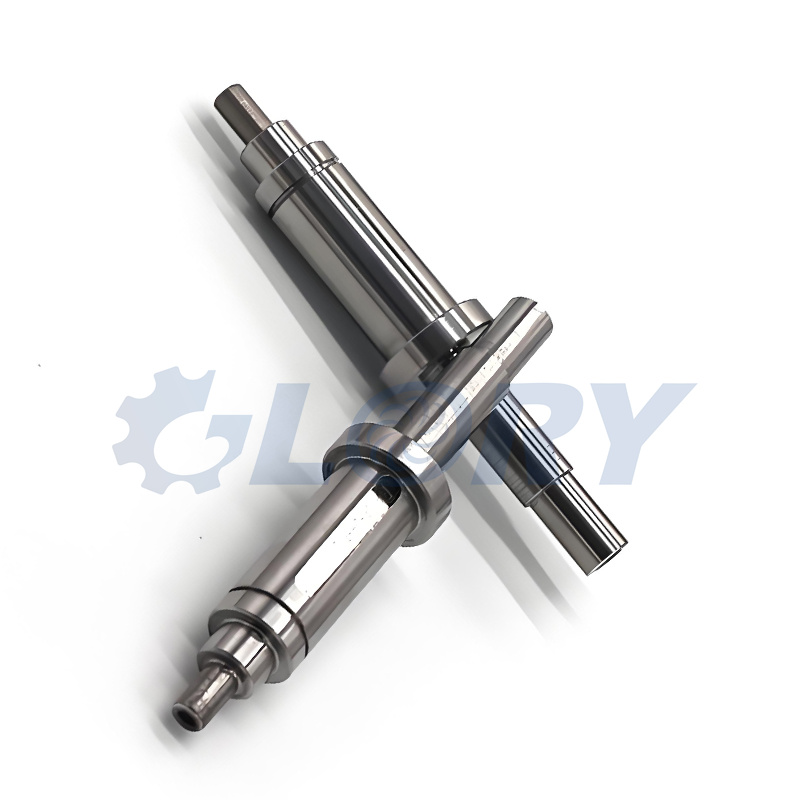
Custom machined steel shaft
Shaft
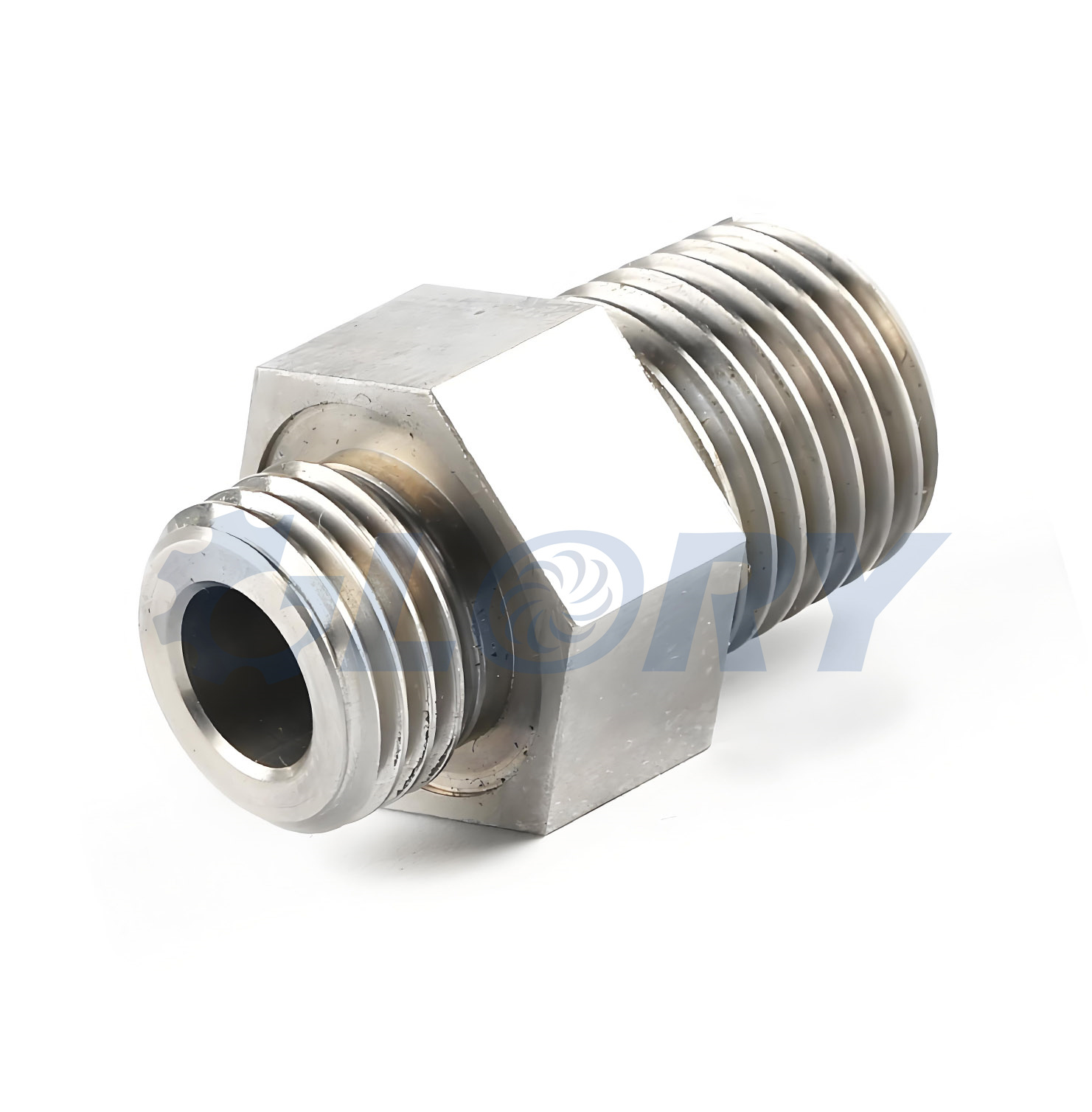
Custom machined hydraulic pipe fitting
Pipe Fitting
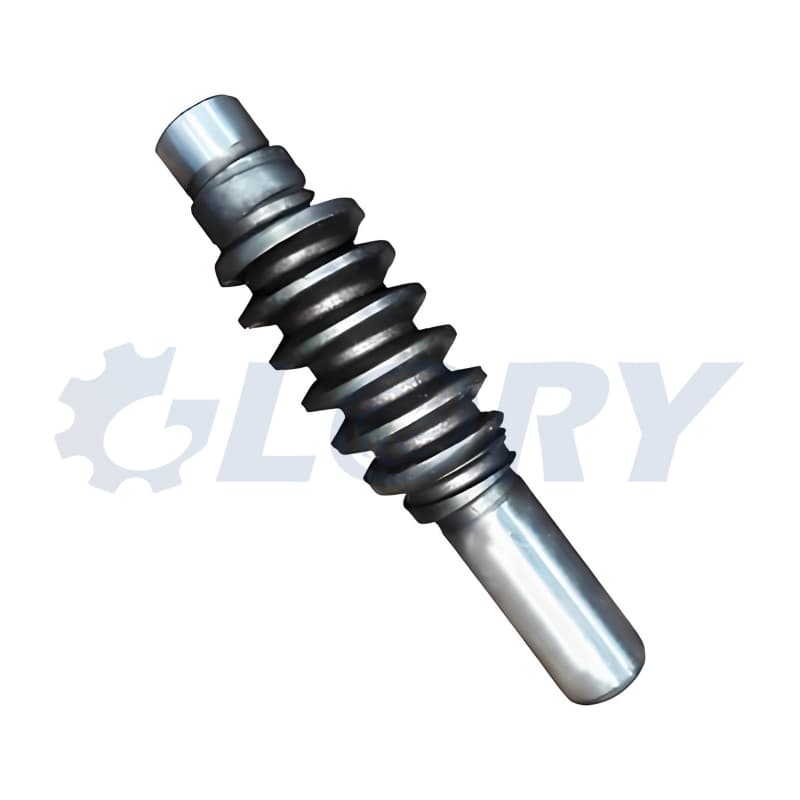
Alloy steel worm shaft made by CNC machining
Worm Shaft
Floor & metrology · Machining and inspection

From the turning floor to the measuring room

Precision is produced on the machine and confirmed in measurement. The four views below show where parts are cut, and how 2D and 3D metrology verify them against the drawing before they leave the workshop.

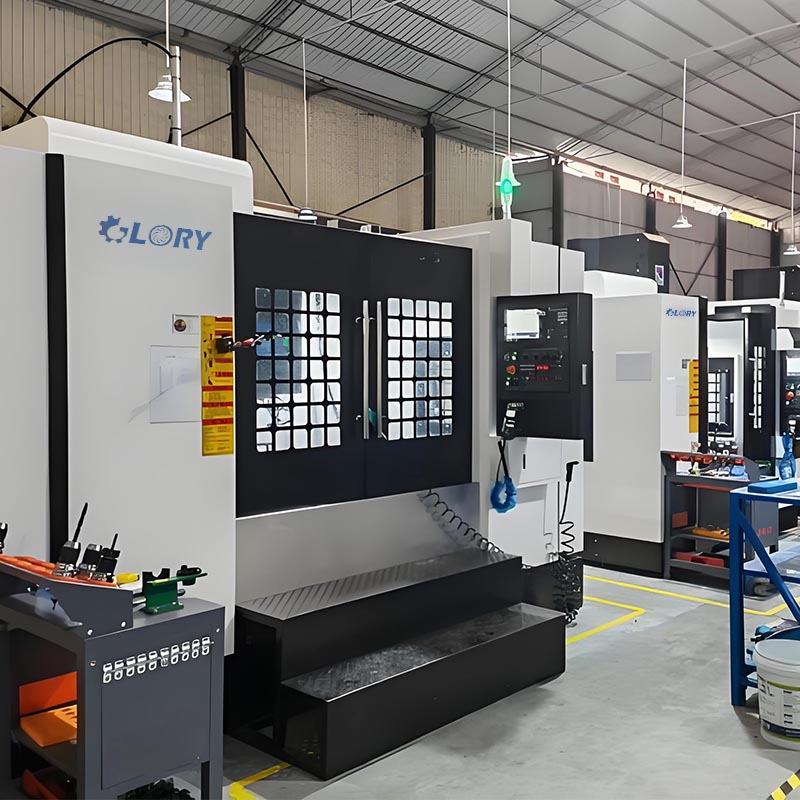
CNC machining workshop floor

Workshop

The turning floor groups CNC lathes, turn-mill centres and supporting sawing, drilling and finishing equipment, laid out for fast small-batch changeovers as well as continuous bar-fed production.

CNC turning process in progress

CNC turning

Roughing and finishing are deliberately split: heavy passes remove stock quickly, while light finish passes hold diameter, length and roughness on functional surfaces, with flood coolant stabilising tool and workpiece temperature.

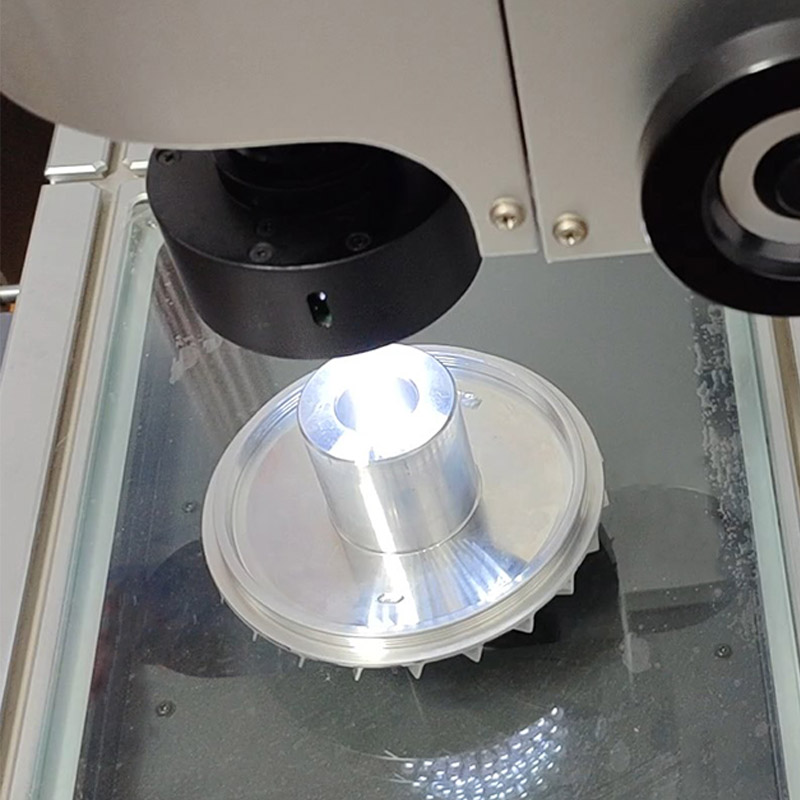
2D optical profile projector measurement

2D measuring

An optical profile projector and vision measuring machine inspect 2D contours, radii, chamfer angles, thread forms and tiny features that hand tools cannot reach reliably, comparing magnified silhouettes directly with the drawing.

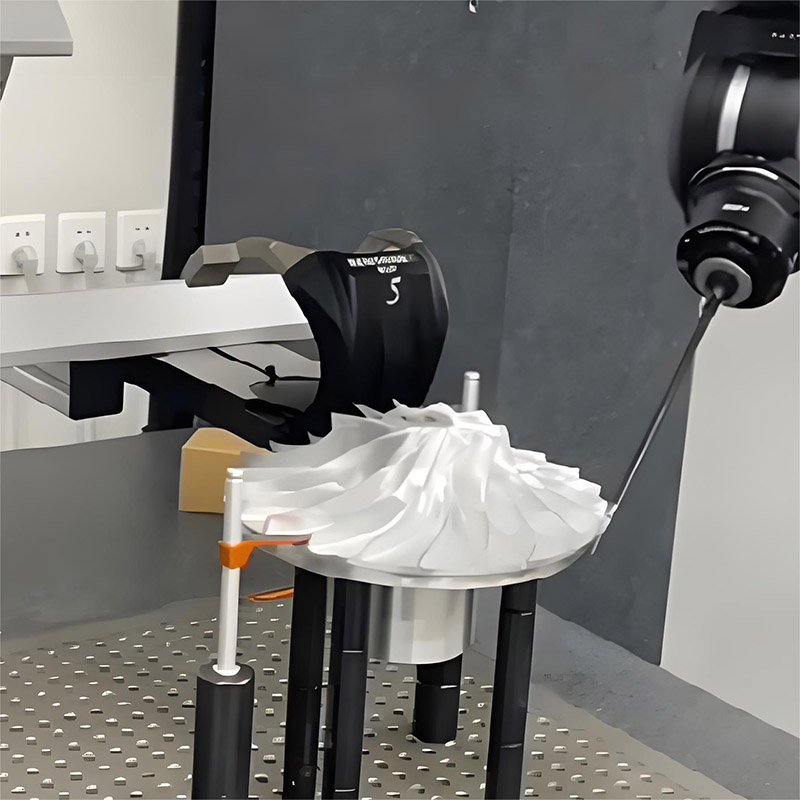
3D coordinate measuring machine inspection

3D measuring

A coordinate measuring machine (CMM) verifies spatial relationships — true position, concentricity, coaxiality, perpendicularity and complex profiles — against the datum chain defined on the drawing, with measured points recorded for review.

FAQ · Questions buyers ask first

Practical questions about custom CNC turning in China

Concise answers to the points raised most often during first enquiries, from quotation inputs to tolerance realism and overseas packaging.

What information is needed to quote a custom turned part?

A 3D model in STEP, IGES or X_T format plus a 2D PDF or DWG drawing carrying tolerances, thread call-outs, surface roughness and material notes, together with target quantity and any surface treatment. The model drives programming; the drawing defines acceptance.

Our drawing names an AISI, EN or JIS grade — how is the material matched?

The named grade is mapped to its cross-standard equivalents using the material matrix above, the closest available stock is selected, and the matched grade is stated on the quotation for written confirmation before any production begins.

What tolerance and surface roughness are realistic?

General turning holds IT7–IT8 comfortably and critical diameters can reach ±0.005 mm with a stable setup. As-turned roughness is typically Ra 1.6–3.2 µm; Ra 0.8 or finer is achievable on sealing and bearing seats through fine turning and polishing.

Is single-piece prototype work accepted?

Yes. Overseas engineering teams often use a custom CNC turning service in China precisely for low-volume work: one-piece prototypes, 5–50 piece pilot runs and series lots all follow the same drawing-review, first-article and inspection routine.

Which post-turning surface treatments can be arranged?

Beyond deburring and cleaning, commonly coordinated treatments include black oxide, zinc and nickel plating, electropolishing, passivation of stainless parts, anodising of aluminium parts, mirror or satin polishing, and heat treatment such as quenching, tempering and case hardening.

How are parts protected for long-distance shipping?

Parts are cleaned and dried, delicate surfaces are individually bagged, layers are separated to prevent knocking, and corrosion-inhibitor film is added for steel parts in humid transit; outer packaging uses export plywood cases or palletised cartons.

Summary · Built around the drawing

A custom CNC turning service in China judged on predictability

Choosing a custom CNC turning service in China is ultimately about predictability: the grade named on the print is the grade that arrives, the dimensions inside the tolerance bands are the dimensions measured before packing, and the lead time quoted is the lead time kept.

By combining cross-standard material knowledge, disciplined roughing and finishing practice, turn-mill flexibility and measurement-led quality control, we help overseas equipment builders convert drawings into dependable spare parts and series components — first article, repeat batch and long after.