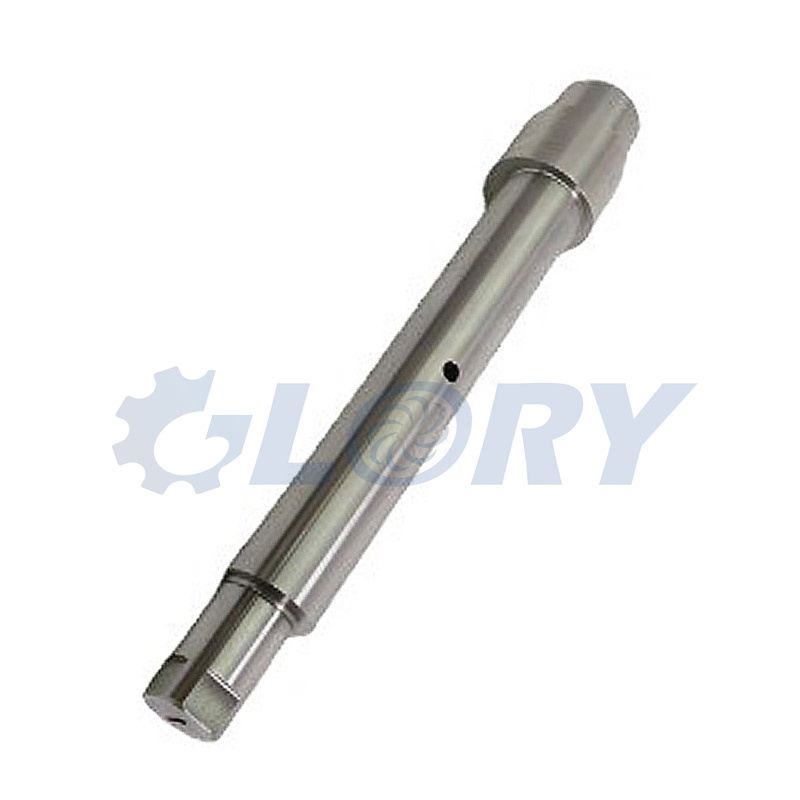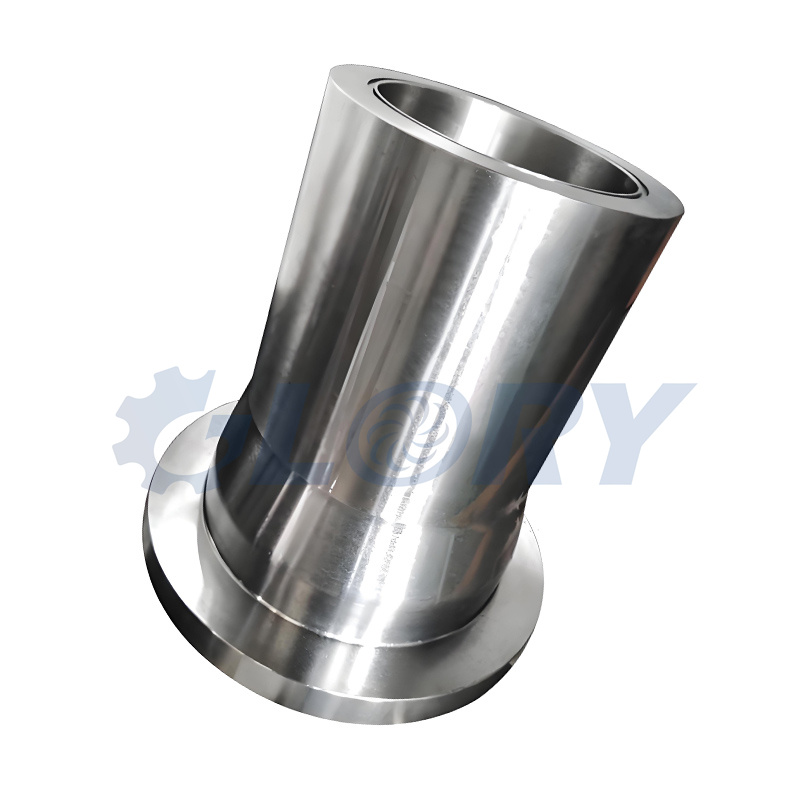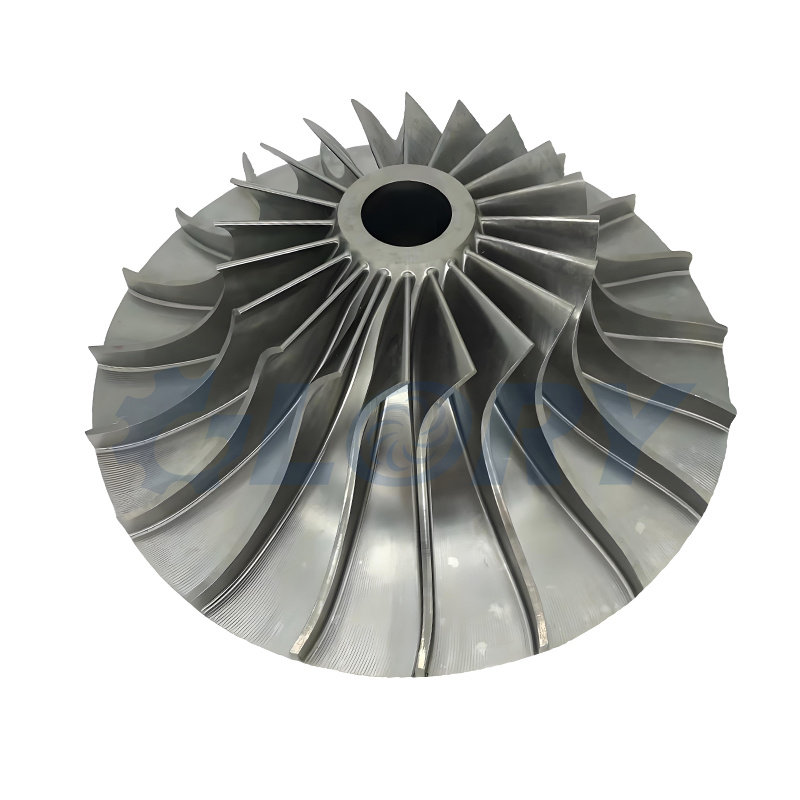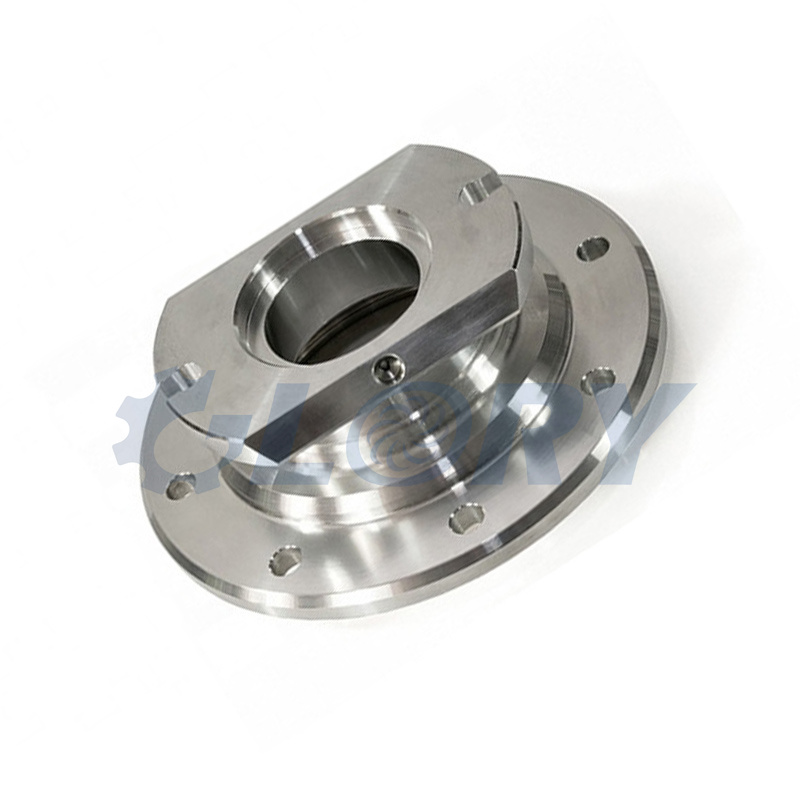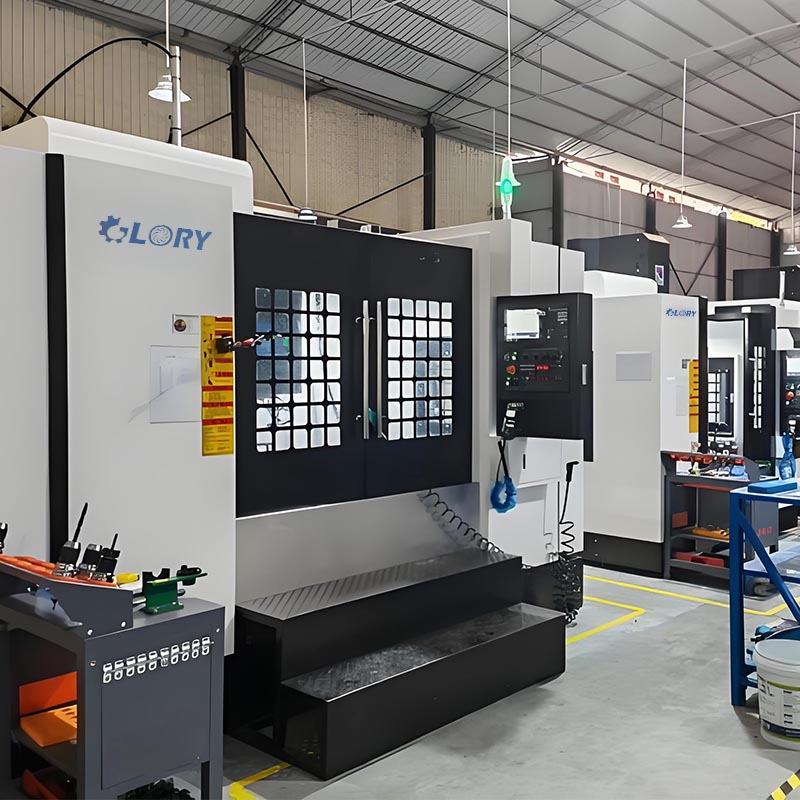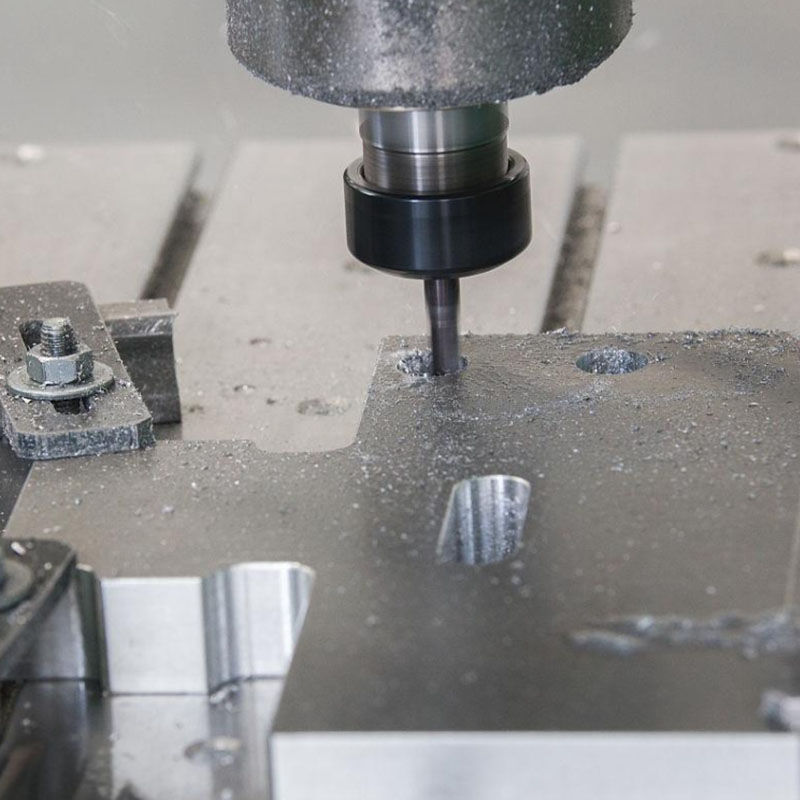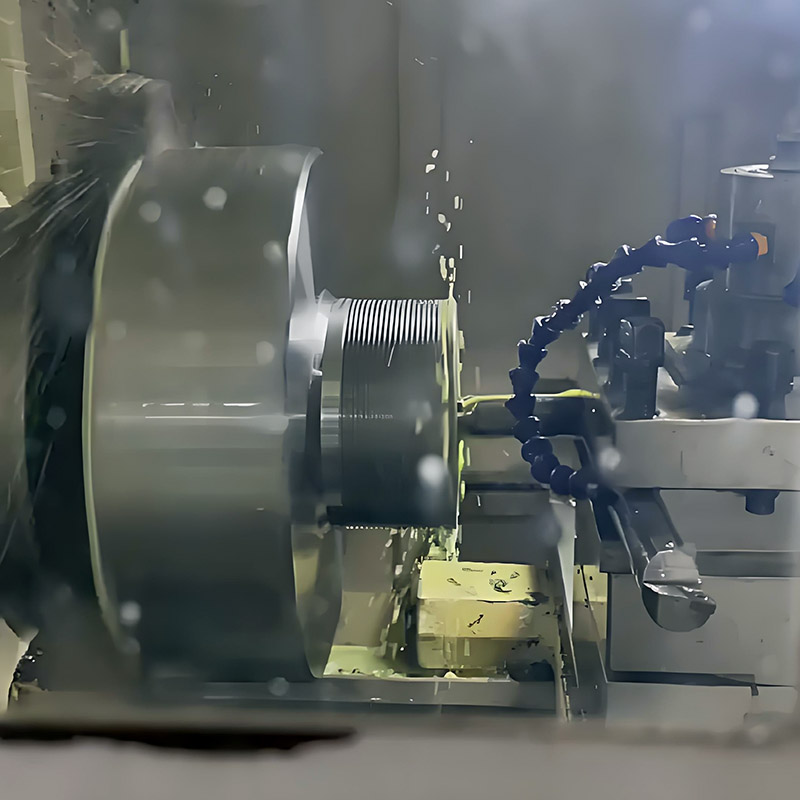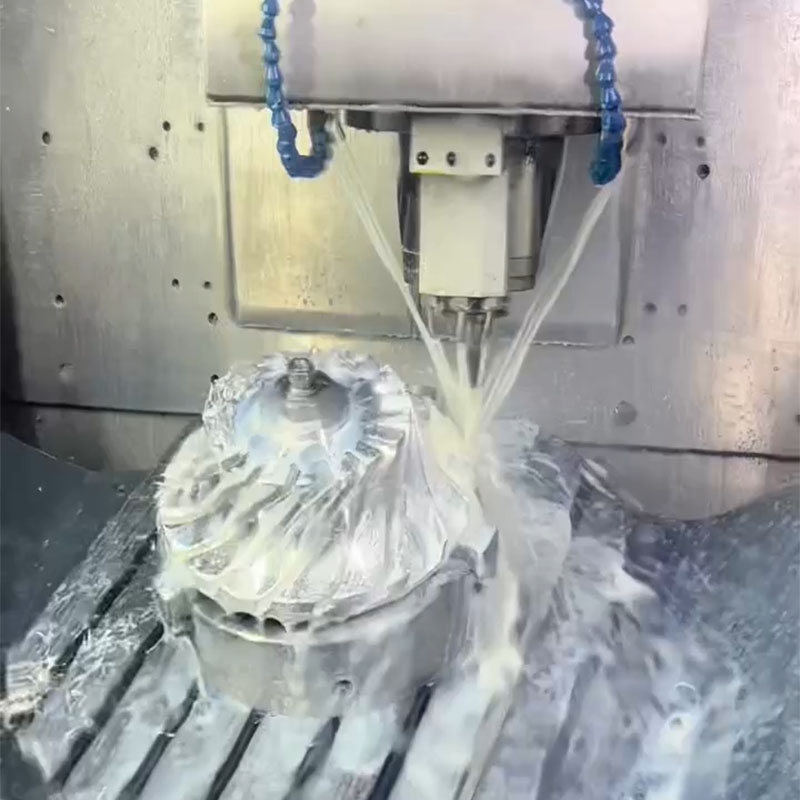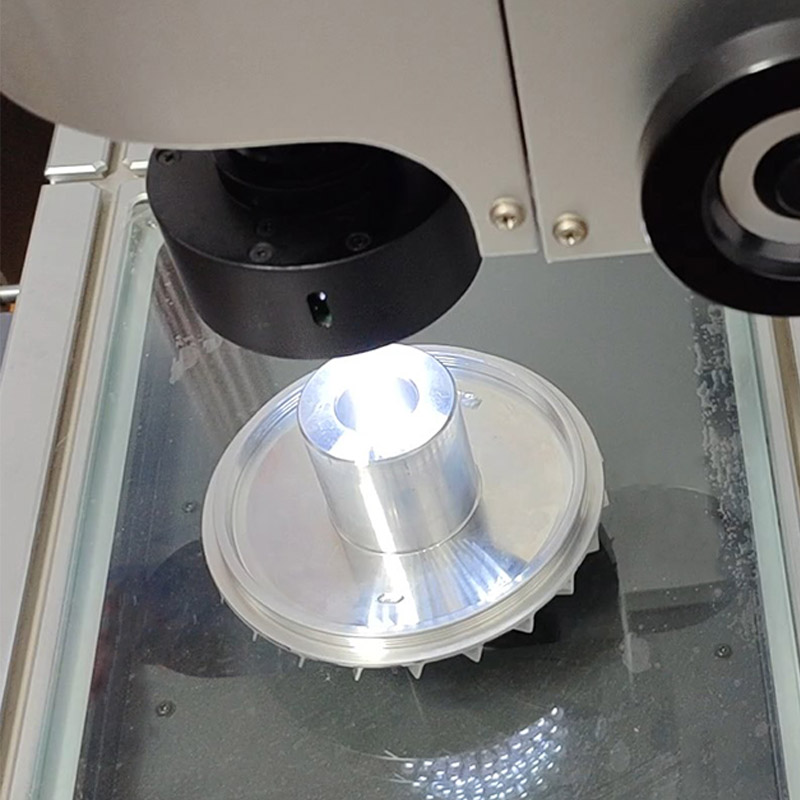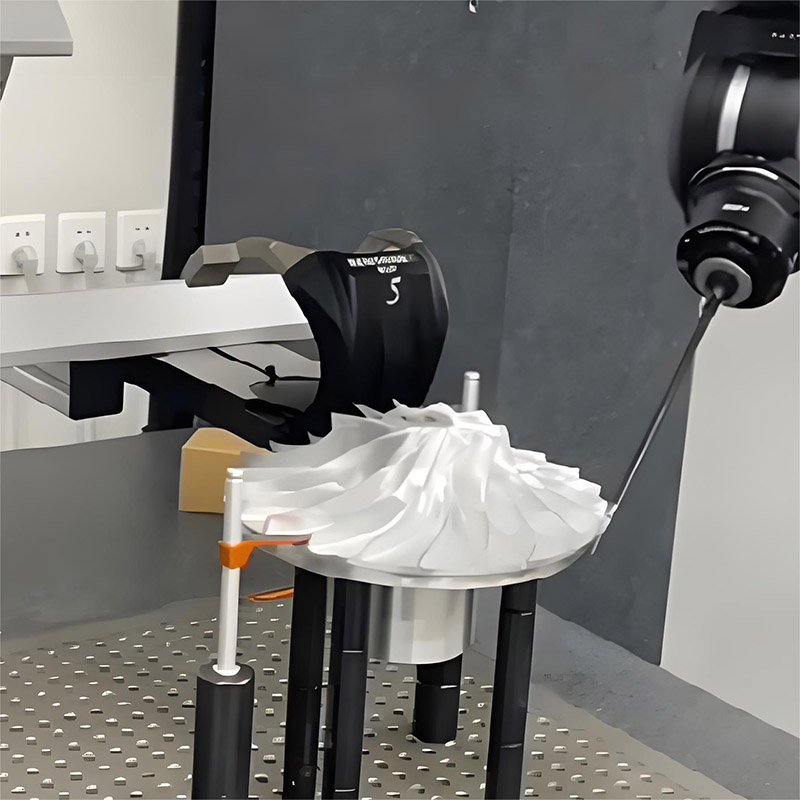
Glory manufactures CNC machining stainless steel parts according to drawings and samples.  Precision reaches the advanced level in China.

Mechanical processing performance for custom stainless steel parts

Stainless steel has good mechanical processing performance:

  • High Hardness: Stainless steel has high hardness, usually requiring a large cutting force for processing. This also leads to higher requirements for the wear resistance of processing tools during stainless steel processing.

  • Good Chip Formation: Stainless steel has good chip formation, which can produce good chip morphology and facilitate chip discharge.

  • Poor Thermal Cutting Performance: Stainless steel has low thermal conductivity and a high thermal expansion coefficient, making it prone to thermal deformation and work hardening during processing. Therefore, it is necessary to control the processing temperature and speed in stainless steel machining and avoid excessive heat accumulation leading to irreversible deformation.

  • Good Plasticity: Stainless steel has good plasticity and can be subjected to various cold and hot deformation processes such as stretching, compression, and bending.

  • Relatively Difficult in Mechanical Processing: Due to the high hardness and toughness of stainless steel, as well as its good cutting performance, its mechanical processing is relatively difficult. It is necessary to choose appropriate cutting parameters, tools, and coolant conditions to ensure processing quality and tool life.

We machine various customized stainless steel parts and have extensive experience in the machining processes components, such as compressor impellers, disks, blades, diffuser, nozzle ring, precision threaded fittings, non-standard threaded parts and bushings.

Stainless steel part is widely used in various industry and fields. Common stainless steel parts include:

  1. Screws and Nuts: Stainless steel screws and nuts are commonly used in situations requiring corrosion resistance and wear resistance, such as in food processing and chemical equipment.

  2. Connectors: Stainless steel connectors, such as flanges, gaskets, and bolts, are widely used in the construction of durable structures such as bridges and buildings.

  3. Instrument Parts: Stainless steel is used to manufacture parts in the production of precision instruments and equipment, ensuring long-term stability and corrosion resistance.

  4. Food Processing Equipment: Stainless steel is extensively used in the manufacturing of food processing equipment such as knives, mixers, and containers because it does not affect the quality of food and is easy to clean.

  5. Automotive Components: Stainless steel parts are used in automotive manufacturing to enhance the corrosion resistance of components, such as exhaust systems and decorative accessories.

  6. Aerospace Components: Stainless steel is used to manufacture parts in the aerospace field due to its strength and corrosion resistance.

  7. Medical Equipment Parts: Stainless steel is widely used in the manufacture of parts for medical equipment, such as surgical instruments, brackets, and implants, to ensure their safety and durability.

  8. Electronic Device Housing: Due to its corrosion resistance, stainless steel is frequently used to manufacture the housing of electronic devices, providing additional protection.

  9. Vibrators and Sensors: Stainless steel is used to manufacture parts for vibrators and sensors, suitable for environments that require stability and corrosion resistance.

  10. Mechanical Seals: Stainless steel excels in the manufacture of mechanical seals used to ensure the sealing performance of pipes and containers.

We can not only machine stainless steel part by high dimensional accuracy according to drawings or samples but also complete various surface treatments as required.

Stainless steel can be processed by various surface treatments to enhance performance and appearance. Common surface treatment methods include:

  1. Polishing:

    • Improves surface smoothness and aesthetics.
    • Removes surface defects and oxidation layers.
  2. Brushing:

    • Creates a uniform linear texture.
    • Enhances appearance and hides surface imperfections.
  3. Electroplating:

    • Increases corrosion resistance and wear resistance.
    • Adds surface layers of different metals, such as nickel and chromium.
  4. Passivation:

    • Enhances corrosion resistance.
    • Removes surface free iron and other impurities through chemical treatment.
  5. Sandblasting:

    • Cleans and removes surface oxidation layers.
    • Produces a uniform surface texture.
  6. Chemical Treatment:

    • Processes like pickling remove oxidation layers and impurities.
    • Improves surface cleanliness.
  7. Anodizing:

    • Increases corrosion resistance and wear resistance (not commonly used for stainless steel but can achieve similar effects through electrochemical treatment).
  8. Thermal Spraying:

    • Enhances surface wear resistance and oxidation resistance.
    • Suitable for repairing worn parts.
  9. Electropolishing:

    • Removes surface material through an electrochemical process.
    • Improves surface smoothness and corrosion resistance.
  10. Coating:

    • Applies organic or inorganic coatings to improve surface properties.
    • Increases corrosion resistance, wear resistance, or provides decorative effects.

Precision Stainless Steel Machining Services

Complete Stainless Steel Materials for CNC Machining

Complete Stainless Steel Materials for CNC Machining

A comprehensive reference guide for material properties, processing methods, and applications of common stainless steel grades used in CNC machining

Steel Grade Properties Processing Methods Treatments Applications Cost Machining Tips
304 (Austenitic)
Austenitic
  • Excellent corrosion resistance
  • Good formability and weldability
  • Non-magnetic when annealed
  • Good high and low temperature properties
  • Most widely used stainless steel
  • CNC Milling
  • Turning
  • Drilling
  • Welding (TIG, MIG)
  • Deep Drawing
  • Solution annealing
  • Passivation
  • Electropolishing
  • Pickling
  • Kitchen equipment
  • Food processing equipment
  • Architectural applications
  • Chemical containers
  • Automotive trim
Low Use sharp tools with positive rake angles; moderate speeds and feeds; use coolant to prevent work hardening
316 (Austenitic)
Austenitic
  • Excellent corrosion resistance, especially to chlorides
  • Higher strength at elevated temperatures
  • Excellent formability and weldability
  • Non-magnetic when annealed
  • Better creep resistance than 304
  • CNC Machining
  • Turning
  • Milling
  • Welding (TIG, MIG)
  • Deep Drawing
  • Solution annealing
  • Passivation
  • Electropolishing
  • Pickling
  • Marine applications
  • Pharmaceutical equipment
  • Chemical processing equipment
  • Food processing in saline environments
  • Medical implants
Medium Higher cutting forces than 304; use rigid setups; sharp tools with positive rake; adequate coolant flow
321 (Austenitic)
Austenitic
  • High carbon content
  • Strong resistance to intergranular corrosion
  • High temperature resistance up to 900°C
  • Suitable for aerospace devices
  • Good formability and weldability
  • CNC Milling
  • Welding
  • Forging
  • Turning
  • Drilling
  • Shot peening (increases surface roughness)
  • Ion nitriding (improves wear resistance)
  • Solution annealing
  • Passivation
  • Aerospace components
  • High-temperature exhaust pipes
  • Heat exchangers
  • Boiler parts
Medium to High No stabilization treatment needed after welding; use sharp tools to reduce work hardening; maintain moderate cutting speeds
317 (Austenitic)
Austenitic
  • Higher molybdenum content than 316
  • Stronger corrosion resistance
  • Excellent resistance to chlorides and acids
  • Good high-temperature strength
  • Excellent formability and weldability
  • CNC Machining Centers
  • Arc Welding
  • Pressure Processing
  • Bending
  • Deep Drawing
  • Electropolishing (improves surface finish and corrosion resistance)
  • Passivation
  • Solution annealing
  • Pickling
  • Chemical reaction vessels
  • Marine equipment
  • Pharmaceutical equipment
  • Pulp and paper industry equipment
High High cutting forces; use high-strength tools and maintain sufficient cooling; avoid work hardening by using sharp tools
310S (Austenitic)
Austenitic
  • Excellent high-temperature strength
  • Heat resistance up to 1150°C
  • Good machinability
  • Excellent oxidation resistance
  • Good corrosion resistance
  • Forging
  • TIG Welding
  • Laser Cutting
  • Hot forming
  • CNC Machining
  • High-temperature oxidation treatment (forms protective layer)
  • Passivation
  • Solution annealing
  • Pickling
  • Heat treatment furnace containers
  • High-temperature furnace components
  • Radiant tubes
  • Kiln linings
  • Boiler components
Medium to High Use low heat input during welding to reduce deformation; control feed rate to avoid overheating; preheat for thick sections
420 (Martensitic)
Martensitic
  • Low cost
  • Good oxidation resistance
  • General corrosion resistance
  • Magnetic
  • High hardness after heat treatment
  • Stamping
  • Turning
  • CNC Turning
  • Grinding
  • Milling
  • Passivation (enhances corrosion resistance)
  • Chrome plating (improves appearance and wear resistance)
  • Heat treatment (hardening and tempering)
  • Polishing
  • Automotive exhaust systems
  • Cutlery
  • Decorative parts
  • Surgical instruments
  • Mold making
Low Burrs during processing; requires thorough cleaning; avoid high-power cutting; use coolant to prevent overheating
440C (Martensitic)
Martensitic
  • High hardness after quenching
  • Excellent wear resistance
  • Moderate corrosion resistance
  • Good edge retention
  • Magnetic
  • Precision Turning
  • Grinding
  • Wire EDM
  • Drilling and Tapping
  • Honing
  • Black oxide treatment (rust prevention and aesthetics)
  • Electroless nickel plating (improves wear resistance)
  • Heat treatment (hardening and tempering)
  • Polishing to mirror finish
  • Cutting tools
  • Bearings
  • Valve parts
  • Surgical instruments
  • High-quality knives
Medium Easy to machine before heat treatment; difficult after heat treatment; prevent work hardening; use carbide tools for best results
430 (Ferritic)
Ferritic
  • Good corrosion resistance
  • Magnetic
  • Good formability
  • Lower cost than austenitic grades
  • Resistant to stress corrosion cracking
  • Stamping
  • Deep Drawing
  • CNC Machining
  • Welding (with precautions)
  • Bending
  • Passivation
  • Electropolishing
  • Painting
  • Powder coating
  • Automotive trim
  • Kitchen equipment
  • Architectural applications
  • Washing machine drums
  • Decorative items
Low Limited weldability; avoid high heat input; use proper filler materials; anneal after severe forming operations
501 (Martensitic)
Martensitic
  • Medium chromium content
  • Good strength and toughness
  • Moderate corrosion resistance
  • Magnetic
  • Good weldability
  • CNC Machining
  • Turning
  • Milling
  • Welding
  • Forging
  • Heat treatment (quenching and tempering)
  • Passivation
  • Shot peening
  • Painting
  • Pressure vessels
  • Pipelines
  • Structural components
  • Automotive parts
  • General engineering
Low Good machinability; use standard tooling; moderate speeds and feeds; adequate coolant
502 (Martensitic)
Martensitic
  • Higher chromium than 501
  • Better corrosion resistance
  • Good high-temperature strength
  • Magnetic
  • Good creep resistance
  • CNC Machining
  • Hot forming
  • Welding
  • Forging
  • Turning
  • Heat treatment
  • Passivation
  • Shot peening
  • Painting
  • High-temperature service applications
  • Power generation components
  • Heat exchangers
  • Boiler tubes
  • Refinery equipment
Medium Good machinability; moderate cutting speeds; use coolant for extended tool life
630 (17-4PH) (Precipitation Hardening)
Precipitation Hardening
  • High strength
  • Good corrosion resistance
  • Excellent toughness
  • Can be heat treated to various strength levels
  • Good fatigue strength
  • CNC Machining
  • Turning
  • Milling
  • Grinding
  • Welding (in solution treated condition)
  • Solution treatment
  • Precipitation hardening (aging)
  • Passivation
  • Electropolishing
  • Aerospace components
  • Nuclear reactor components
  • Chemical processing equipment
  • Pump shafts
  • Valve components
High Machine in solution treated condition for best results; heat treat after machining; use sharp tools and adequate coolant
631 (17-7PH) (Precipitation Hardening)
Precipitation Hardening
  • High strength-to-weight ratio
  • Good corrosion resistance
  • Excellent fatigue strength
  • Good formability in annealed condition
  • Can be hardened by heat treatment
  • CNC Machining
  • Turning
  • Milling
  • Grinding
  • Welding (in annealed condition)
  • Solution treatment
  • Precipitation hardening
  • Passivation
  • Electropolishing
  • Aerospace components
  • Springs
  • Pressure vessels
  • Fasteners
  • Medical instruments
High Machine in annealed condition; complex heat treatment required for full properties; use sharp tools with positive rake
2205 (Duplex)
Duplex
  • Combined benefits of austenitic and ferritic steels
  • High strength
  • Excellent corrosion resistance
  • Good resistance to stress corrosion cracking
  • Good weldability
  • CNC Machining
  • Welding (with proper procedures)
  • Forging
  • Hot forming
  • Plasma cutting
  • Solution annealing
  • Quenching
  • Passivation
  • Pickling
  • Chemical processing equipment
  • Oil and gas industry components
  • Marine applications
  • Pollution control equipment
  • Pulp and paper industry
High Higher strength requires more power for machining; use rigid setups; control heat input during welding to maintain phase balance