OEM Prototype Custom CNC Machining in China

Precision parts, built exactly to drawing

OEM Prototype Custom CNC Machining in China

We are a China-based custom machining workshop serving OEM buyers, product engineers, and equipment manufacturers that need metal and plastic components made exactly to drawing. From a single prototype custom CNC machining in China order to repeated production batches, every part is programmed, fixtured, cut, and inspected by the same in-house team, so dimensional decisions stay traceable from the first chip to the final packed component.

Each inquiry starts from the drawing rather than from a catalogue: geometry, tool access, datum structure, material behaviour, and tolerance stack-up are reviewed before any raw stock is cut. The result is a machining plan that matches the way the part will actually be used in the customer's assembly.

Our equipment covers 3-axis, 4-axis, and 5-axis milling, CNC turning, mill-turn work, drilling, tapping, and a range of secondary finishes, which allows complex geometry, close positional tolerances, and demanding surface requirements to be handled under one roof. Coordination between milling, turning, and inspection is internal, so parts do not travel between unrelated vendors during production.

Send a STEP, IGES, or X_T model together with a 2D drawing that carries tolerance, thread, and surface notes, and we return machinability feedback, a production approach, and a realistic schedule before the order is confirmed.

What the workshop does

End-to-end custom machining capabilities

The capability list below covers the full path of a typical prototype custom CNC machining in China project, from raw stock removal through finishing, so a drawing can move forward without being split across multiple suppliers.

CNC milling

3-axis and 4-axis vertical machining for prismatic parts, pockets, cavities, contoured faces, and multi-hole patterns. Dedicated fixturing keeps repeatability stable across a full batch, whether the blank is an aluminum block, a steel plate, or an engineering plastic.
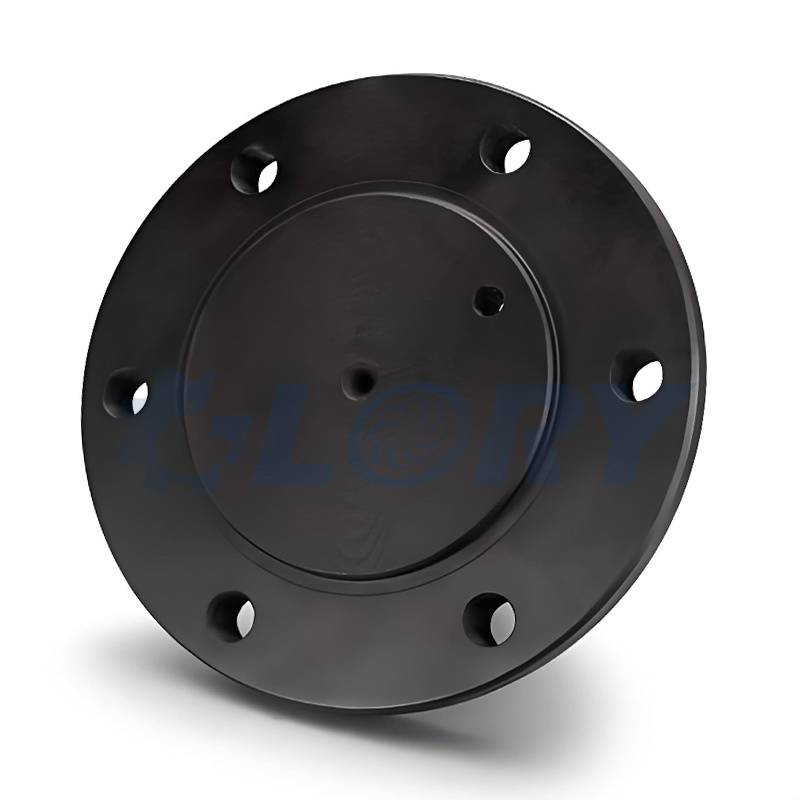
CNC turning

Shafts, sleeves, bushings, fittings, and rotational bodies produced on horizontal and slant-bed lathes, including external diameters, internal bores, grooves, cut threads, and cross-drilled or cross-milled features on mill-turn equipment.

5-axis milling

Simultaneous 5-axis and 3+2 machining for impellers, curved surfaces, angled holes, and parts that would otherwise require repeated re-fixturing. Fewer setups means less accumulated alignment error on tightly dimensioned geometry.

Prototype development

Fast-turnaround prototype custom CNC machining in China for design verification, fit checks, and functional testing. Prototypes are treated as real production parts: the same tooling logic and inspection discipline apply, and DFM feedback is returned while the design can still change.

Low and medium volume production

Repeat batches from a handful of components to several thousand units, supported by a consistent tooling strategy, first-article records, and stable cycle times. Programs, fixtures, and inspection notes carry over between releases for repeatable results.

Finishing and assembly support

Deburring, bead blasting, anodizing, plating, black oxide, polishing, brushing, and simple sub-assembly work. Parts can be delivered ready to install, with edge quality, cosmetic surfaces, and packaging agreed in advance instead of left to a third vendor.

Materials on the floor

Metals and engineering plastics machined every day

Material behaviour drives feeds, speeds, fixturing, and inspection method. The grades below are held in regular stock or sourced against order, and each is cut with tooling matched to its cutting characteristics.

6061 / 6063 / 7075 / 2024 / ADC12

Aluminum alloys

Lightweight covers, housings, heat sinks, mounting plates, and structural brackets with high machinability and a predictable response to anodizing and other surface treatments.

45# / 42CrMo / Q235 / 304 / 316 / 17-4PH

Steel and stainless steel

Shafts, flanges, valve bodies, gears, and wear components where strength, hardness, or corrosion resistance decides the grade, including alloy and tool steels cut under coolant-controlled conditions.

H59 / H62 / T2 copper / tin bronze

Brass and copper

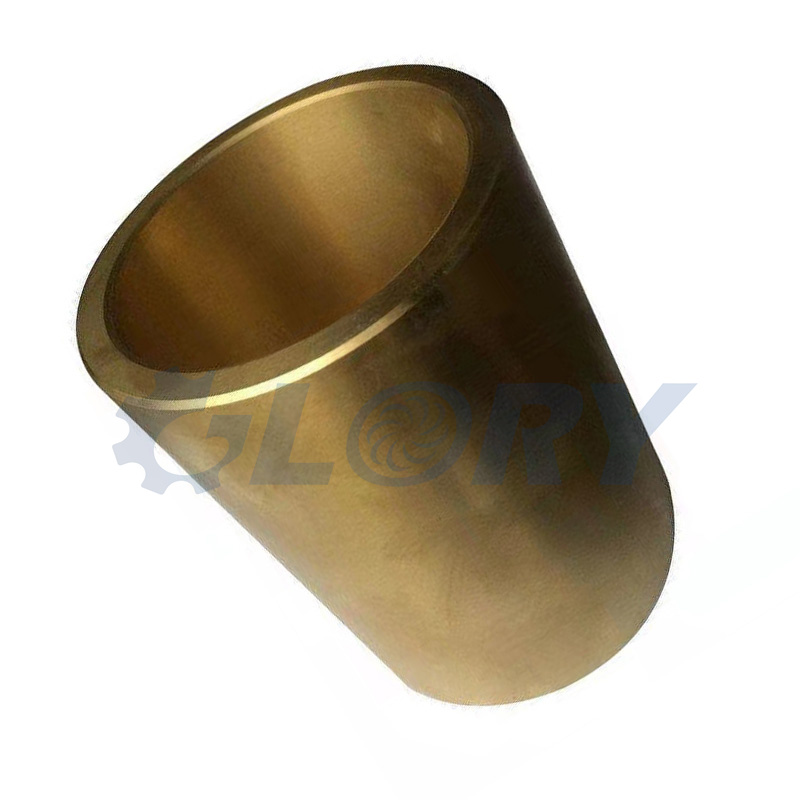
Bushings, connectors, conductive terminals, threaded fittings, and fluid-control parts that benefit from smooth turning, clean cut threads, and stable dimensional behaviour on the lathe.

POM / PA66 / PEEK / UHMWPE / PC / PTFE

Engineering plastics

Insulators, guide blocks, self-lubricating bushings, and lightweight components where low friction, chemical resistance, or electrical insulation is part of the part's function.

Accepted files

STEP, IGES, X_T, SAT, DXF, and dimensioned 2D PDF drawings

Critical-feature tolerance

Down to approximately ±0.005 mm where geometry and material allow, always per drawing

Batch range

One-off prototypes, pilot runs, and repeat low-to-medium volume lots

Workpiece size

From M2-scale fittings up to roughly 1,000 mm structural workpieces

Parts produced

Selected custom machined products

A short sample of components produced through our prototype custom CNC machining in China workflow. Every item below is made to the customer's own drawing, material grade, and finish specification rather than stocked as a standard catalogue part.

Custom machined aluminum cover

Aluminum cover

Turned copper bushing

Copper bushing

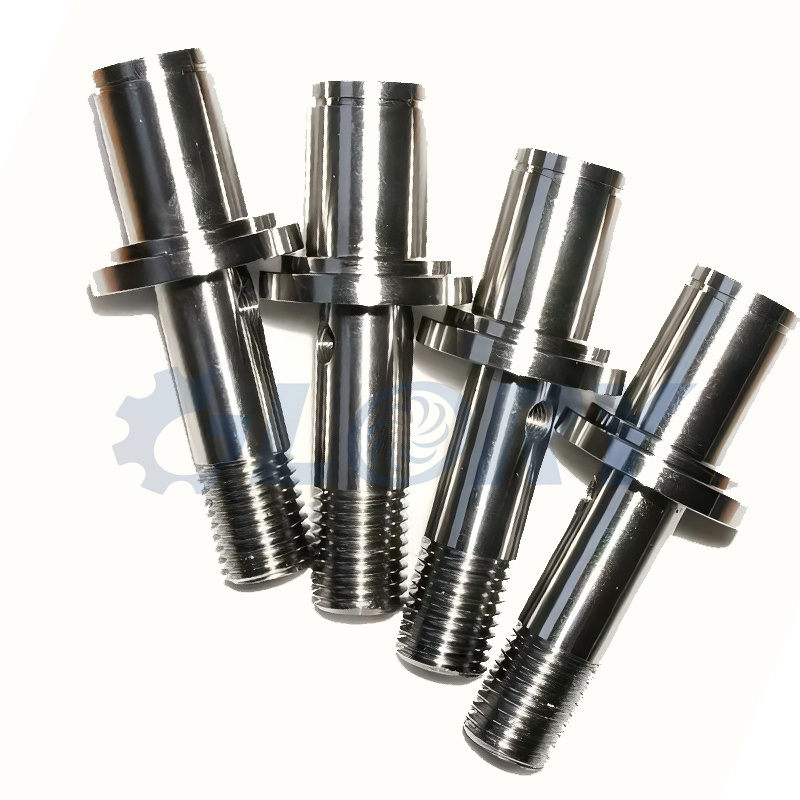
Precision thread shaft

Thread shaft

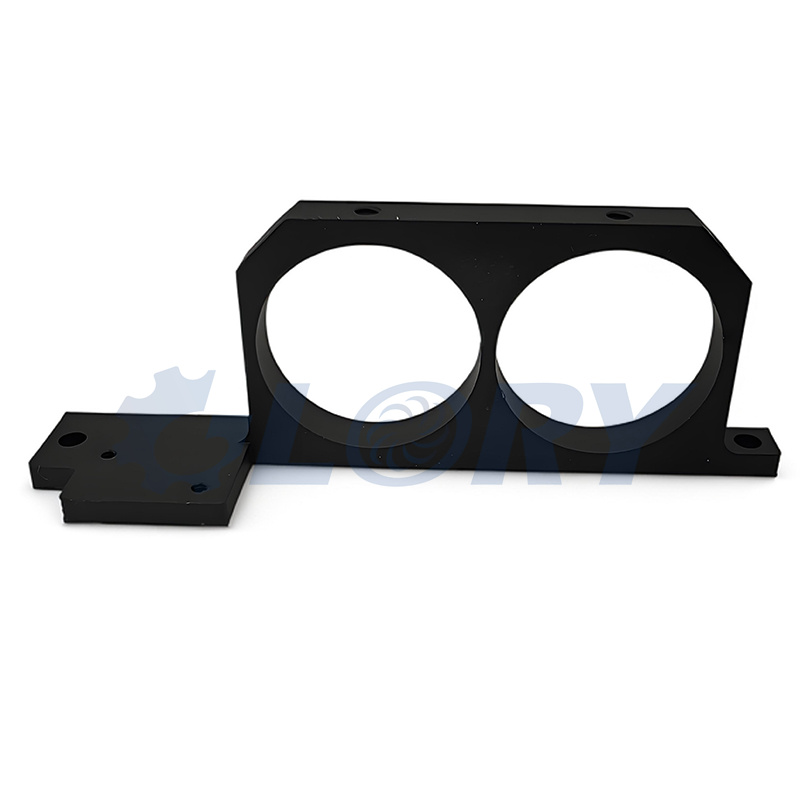
Custom CNC machined bracket

Machined bracket

Machining and inspection

In-house machining and dimensional inspection

Cutting and measuring stay in the same workflow. Machined features are checked against the drawing at the machine, then verified again with 2D and 3D measuring equipment before parts are released for finishing and packing.

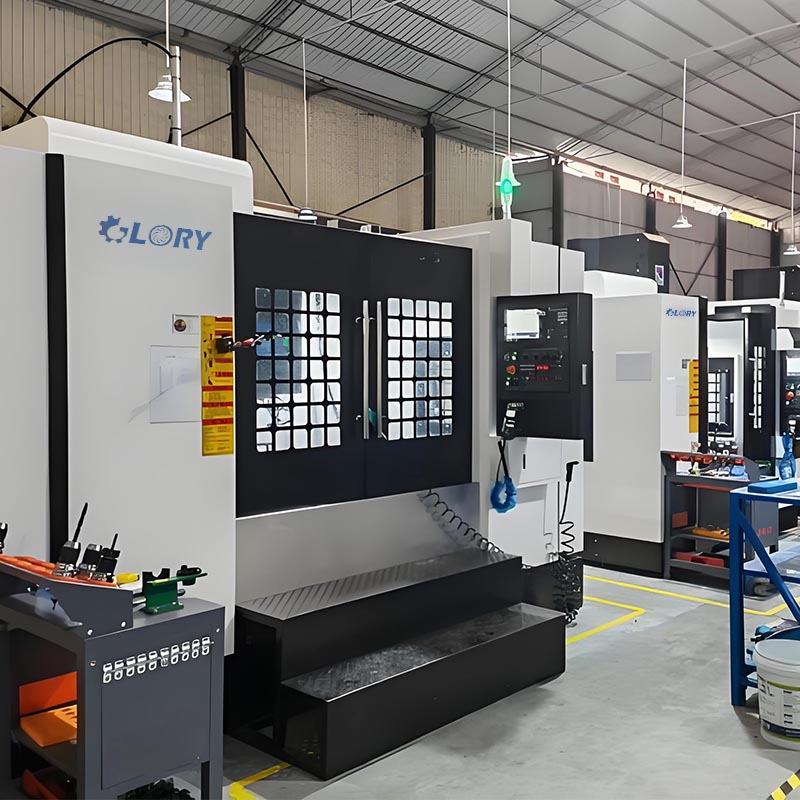
CNC machining workshop floor

Workshop

The production floor where milling, turning, finishing preparation, and inspection are coordinated under one roof.

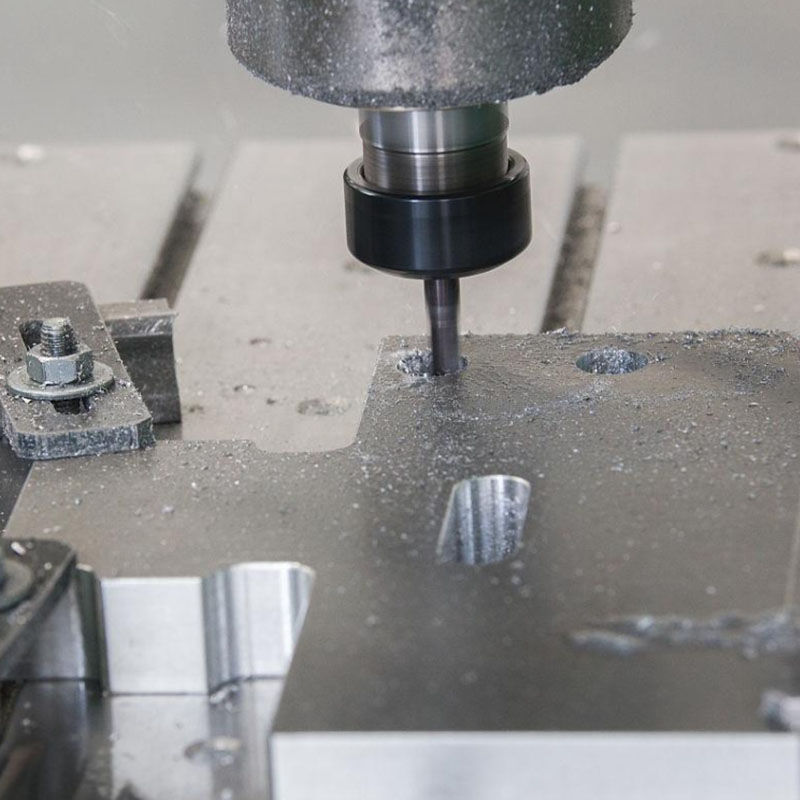
CNC milling, drilling and tapping

CNC milling

Vertical machining centers handle plane milling, pocketing, contouring, drilling, and tapping within a single fixturing setup.

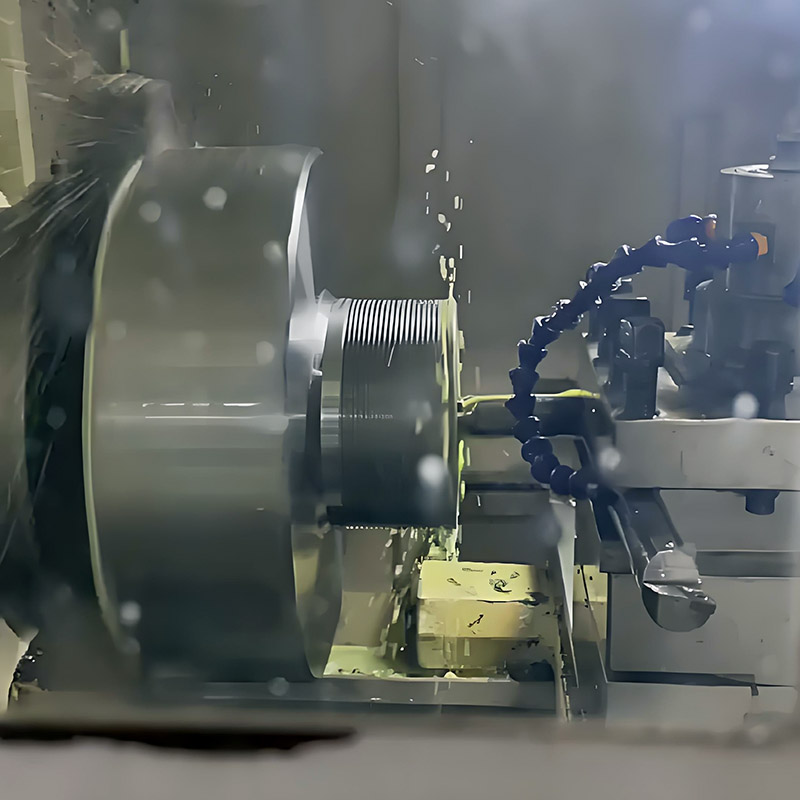
CNC turning of a metal workpiece

CNC turning

Lathe work for rotational parts with controlled diameters, concentric bores, grooves, and accurately cut internal or external threads.

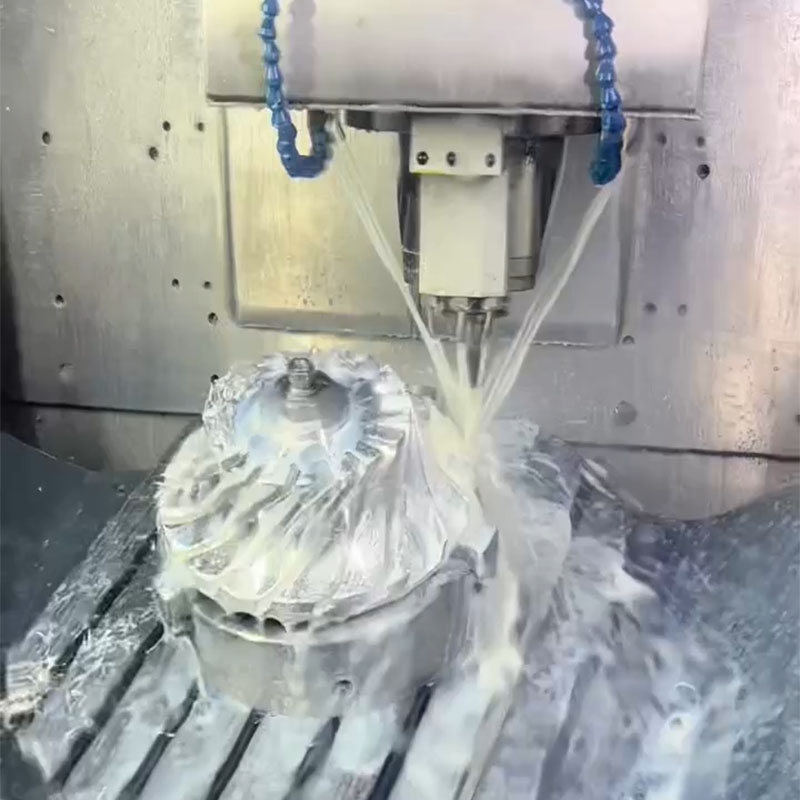
5-axis CNC milling of a prototype part

5-axis milling

Multi-axis cutting of sculpted surfaces and angled features that cannot be reached economically on a 3-axis setup.

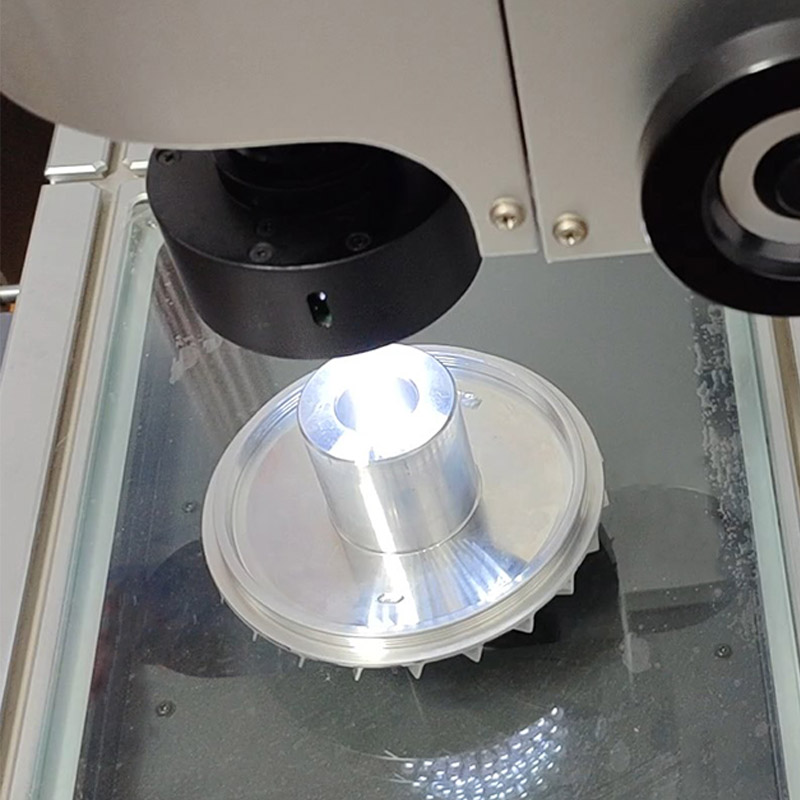
2D profile projector measuring an impeller

2D measuring

Profile projector and height-gauge checks for contours, radii, chamfers, angles, and edge features on a magnified optical view.

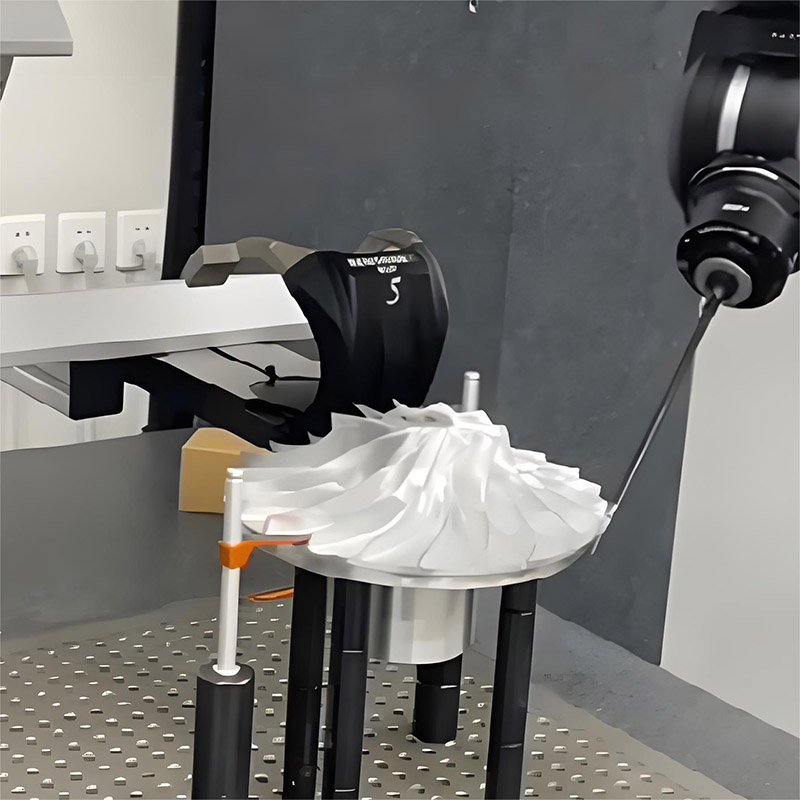
3D coordinate measuring machine inspection

3D measuring

Coordinate measuring machine verification of position, flatness, perpendicularity, and overall geometry against the model and drawing.

How an order moves

From drawing review to packed parts

The same four-stage path applies to a single prototype custom CNC machining in China build and to a repeat production lot, so expectations, records, and inspection points stay identical between first order and reorder.

STEP 01

Drawing review and quotation

Geometry, datum structure, tolerances, material, and finish are reviewed for machinability. Tool access and inspection method are settled, and any risky feature is raised before the order is confirmed.

STEP 02

Material and programming

Raw stock is checked against the specified grade, and CAM toolpaths are programmed and simulated for the chosen machine, including fixturing order and clamping strategy.

STEP 03

Machining and in-process control

The first piece is fully inspected at the machine, after which tool wear and critical dimensions are checked at fixed intervals while the rest of the batch runs.

STEP 04

Final inspection and packaging

Dimensions, threads, and surface notes are verified against the drawing, parts are deburred and cleaned, and finished components are labeled and packed to survive transit.

Where the parts go

Industries that use these machined components

Custom machined parts from the workshop end up in assemblies where a dimension, a thread, or a sealing surface has to behave predictably. The eight fields below represent the most common applications.

Industrial machinery

Gearbox components, mounting plates, guide blocks, spacers, and bespoke machine elements for production equipment.

Automotive and transportation

Brackets, adapters, sleeves, pivot pins, and test-fixture components for vehicles, trailers, and transport systems.

Fluid control and hydraulics

Valve blocks, manifolds, fittings, sealing seats, and connector bodies used inside pressure and hydraulic circuits.

Electronics and enclosures

Aluminum housings, front panels, heat sinks, standoffs, and shield components for electronic and control equipment.

Energy and power equipment

Structural and connection parts for generators, pumps, outdoor power systems, and renewable-energy installations.

Robotics and automation

End-effectors, sensor mounts, linear-module parts, coupling elements, and custom jig and fixture components.

Agricultural equipment

Wear-resistant levers, shafts, couplings, hinges, and custom farm machinery parts exposed to heavy field loads.

Laboratory and device components

Precision machined structural and fluid-path components for laboratory instruments and device assemblies.

Engineering questions

Questions engineers ask before placing an order

These points come up in almost every prototype custom CNC machining in China inquiry. Settling them at the drawing stage is the fastest way to a stable first article.

What information is needed for an accurate quotation?

A 3D model in STEP, IGES, or X_T format, a dimensioned 2D drawing in PDF with tolerances, threads and surface-roughness notes, the material grade, expected quantity, target finish, and delivery schedule. Missing information is listed back in one pass rather than guessed.

Why provide both a 3D model and a 2D drawing?

The 3D model drives CAM toolpaths and collision simulation, while the 2D drawing controls tolerances, threaded holes, critical surfaces, and inspection acceptance. When the two disagree, the conflict is resolved with the customer before cutting begins.

Can a single prototype be ordered?

Yes. One-off parts and very small pilot batches are a normal part of prototype custom CNC machining in China work, and they receive the same first-article and final inspection process as a several-thousand-piece run.

How are tight tolerances kept achievable?

Critical features are reviewed for machinability in advance, produced with stable fixturing and appropriate fresh tooling, and then verified with the matching hand tool, 2D profile equipment, or 3D coordinate measuring machine. When a tolerance is not realistic for the geometry, an alternative is proposed at the review stage.

Prototype to production

From the first prototype to repeat supply

Buyers turn to prototype custom CNC machining in China when a design is still moving quickly: dimensions change between builds, quantities are small, and lead time decides whether a project keeps its schedule. This stage is supported with fast programming, flexible blank-stock planning, and direct DFM feedback written around the actual geometry instead of generic guidelines.

The same part can then continue into low-volume and repeat production without being re-learned by a new supplier. Fixtures, CAM programs, inspection records, and machining notes carry over between orders, so a reorder starts from a known, proven state and the tenth batch behaves like the first.

Dimensional control

How dimensional quality stays under control

In practice, quality means the finished part matches every dimension, thread, and surface note on the drawing. Critical features are identified before machining, checked on the first article, re-checked at fixed points during the run, and recorded at final inspection using calibrated hand tools, 2D profile equipment, and a 3D coordinate measuring machine.

When a feature looks difficult to hold, it is raised at the quotation stage with a proposed change to geometry, datum structure, tolerance, or material rather than discovered after cutting. That discipline is what makes prototype custom CNC machining in China a dependable route for engineers who design against real, assembled hardware.