
42CrMo, internationally known as AISI 4140 alloy steel, is a high-strength quenched and tempered structural steel widely used in high-load mechanical transmission systems, hydraulic equipment, automotive power components, engineering machinery and precision tooling fixtures. Featuring high tensile strength, excellent toughness, good hardenability and outstanding fatigue resistance, 4140 steel can maintain stable mechanical performance under heavy load, repeated impact and long-term friction conditions. It is one of the most demanded alloy steel materials in European, American and Middle Eastern mechanical foreign trade projects.
Compared with ordinary carbon steel and stainless steel, 42CrMo/4140 belongs to difficult-to-machine alloy steel. After quenching and tempering, the material hardness increases significantly, bringing higher cutting resistance, faster tool wear and obvious cutting heat concentration. Improper processing parameters will cause tool chipping, surface vibration marks, dimensional tolerance drift and unstable batch consistency. As a professional foreign trade precision machining manufacturer for high-strength alloy steel parts, we have summarized mature processing parameter sets and heat treatment matching schemes for 4140 material, realizing stable precision control and high-quality batch delivery for high-load structural parts.
1. Processing Characteristics of 42CrMo (4140) Alloy Steel
4140 alloy steel has completely different cutting characteristics from aluminum and stainless steel, which determines its unique machining process logic:
• High strength and high hardness: After quenching and tempering, the hardness reaches HRC 28–36, with strong cutting resistance and high requirement for tool rigidity.
• Obvious cutting heat concentration: Poor thermal conductivity leads to high local temperature during cutting, easily causing tool thermal wear and workpiece thermal deformation.
• High fatigue and impact resistance requirements: Transmission parts need smooth cutting texture and no residual tool stress to avoid fatigue fracture during long-term operation.
• Strict tolerance stability for batch parts: High-load mechanical assemblies require extremely consistent batch size and roundness to ensure equipment operation stability.
2. Full-Coverage Machining Process for 4140 Alloy Steel
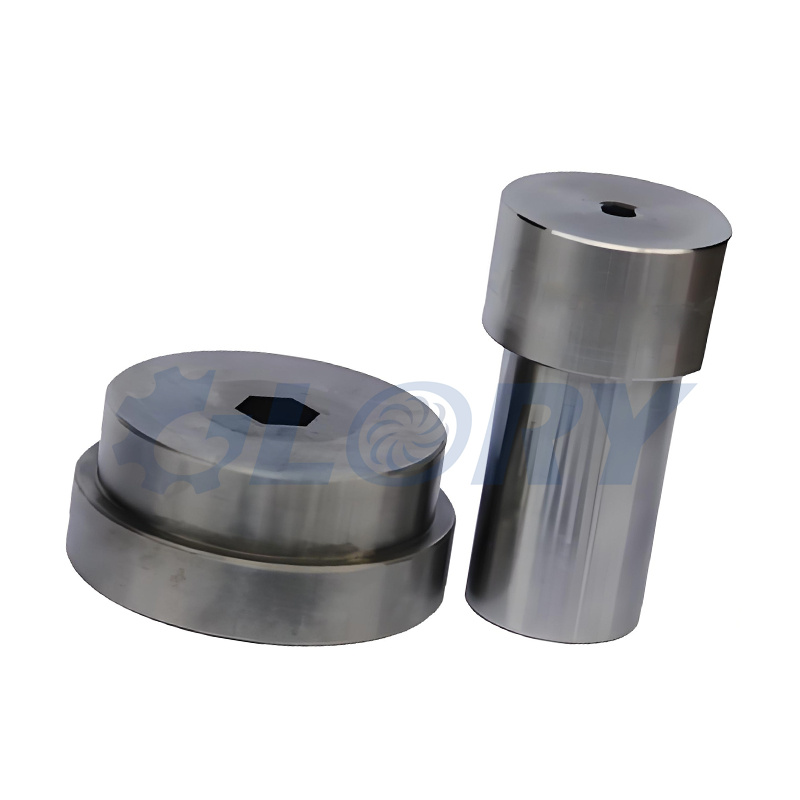
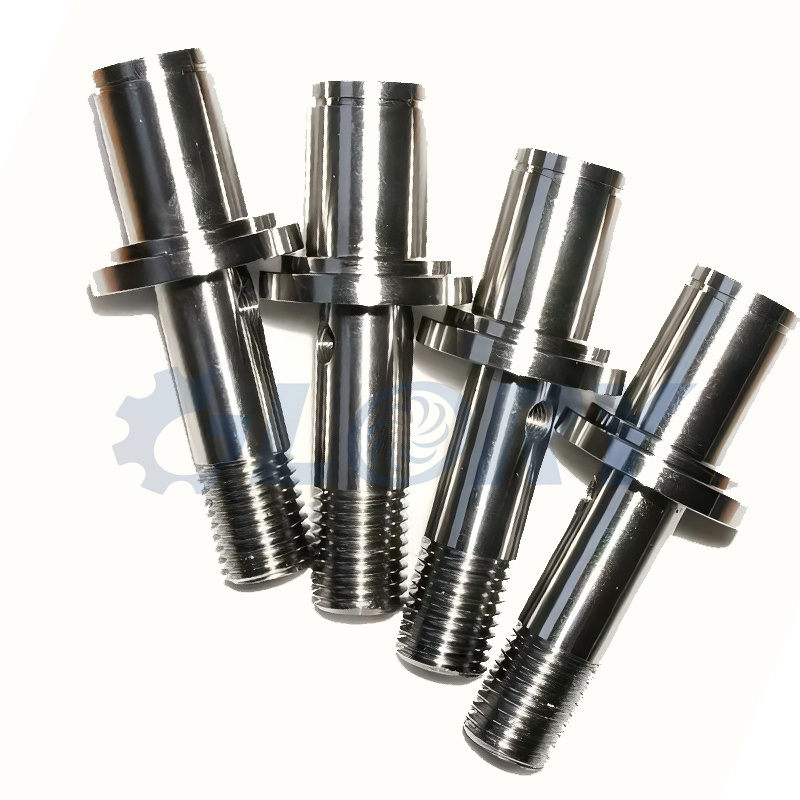
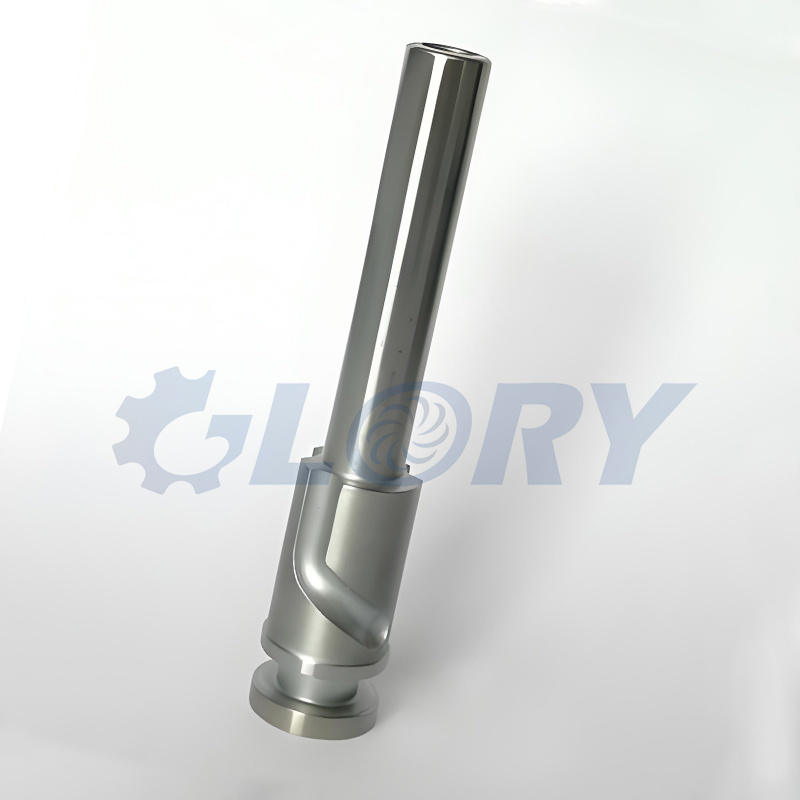
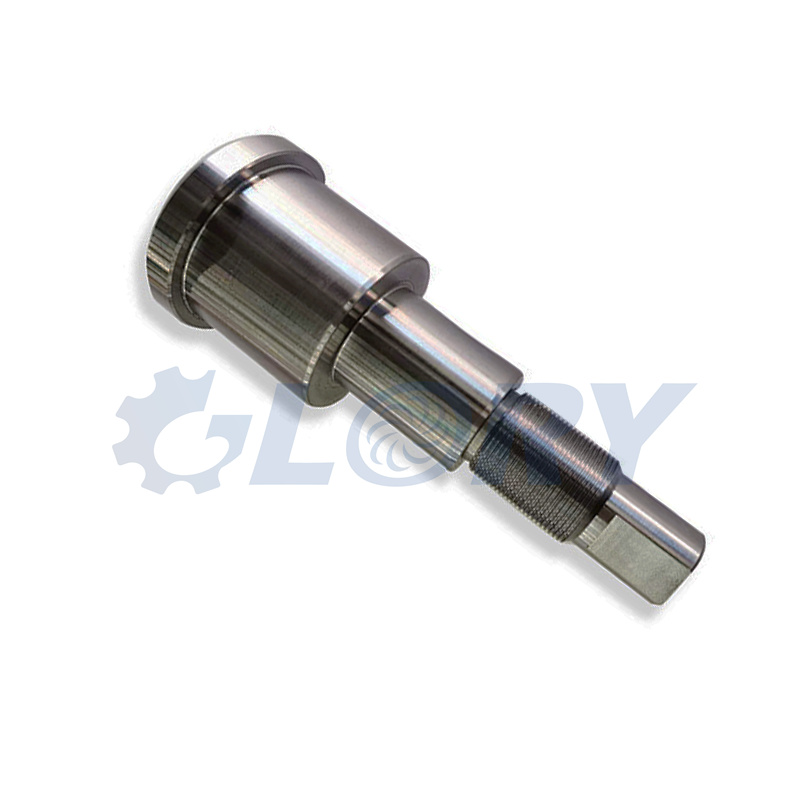
We provide one-stop customized deep processing for 42CrMo/4140 steel bars, forgings and thick plates, including precision CNC turning, heavy-duty milling, high-hardness drilling, deep hole boring, precision tapping, keyway slotting, thread machining, surface grinding, heat treatment matching and finishing. We customize various high-strength shafts, gear blanks, coupling sleeves, hydraulic rod parts, fixture bases, bolt studs and mechanical transmission components according to international drawings. All processes comply with ISO, DIN and ANSI standards to meet high-load mechanical assembly and dynamic operation requirements of overseas equipment.
2.1 Heavy-Duty Precision Turning
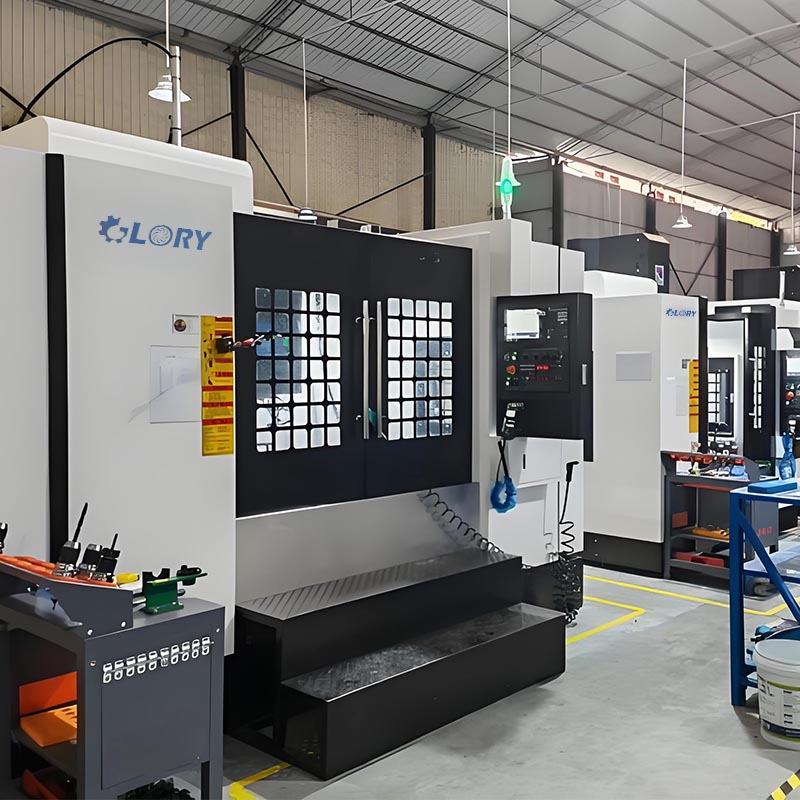
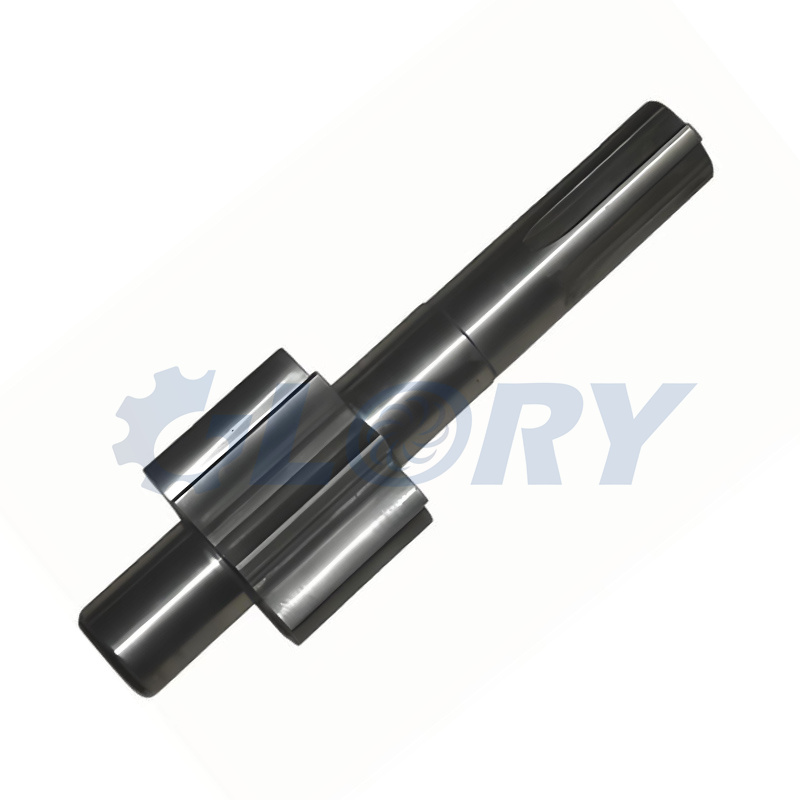
For 4140 high-strength shafts, piston rods, sleeve parts and stepped transmission shafts, we adopt heavy-duty lathe precision turning with high-rigidity tool holders and high-hardness coated carbide tools. Aiming at the characteristics of high cutting resistance and easy tool wear of tempered alloy steel, we optimize low-speed and constant-feed cutting parameters with sufficient cooling and lubrication to suppress cutting heat and tool abrasion. We strictly control shaft roundness, concentricity and end-face verticality, stably controlling conventional tolerance within ±0.02mm and high-precision matching parts within ±0.015mm. For long slender shafts prone to bending and vibration, we adopt auxiliary tailstock support and multi-pass finishing to eliminate chatter marks and ensure straightness stability.
2.2 High-Rigidity Milling & Key Structural Machining
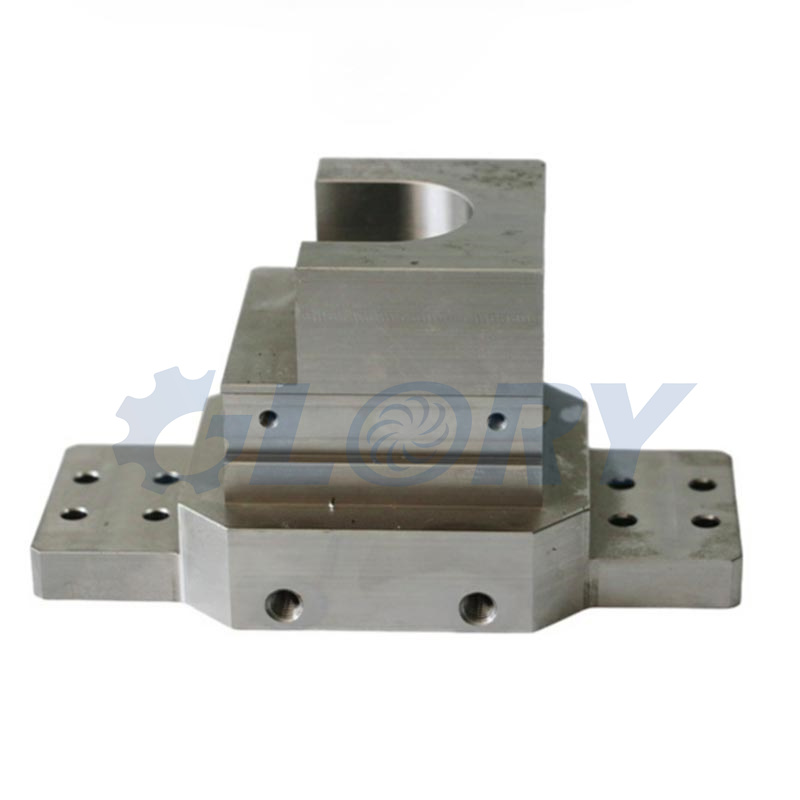
For 4140 fixture plates, gear base plates, keyway parts, bracket structural parts and thick-block mechanical components, we adopt high-rigidity machining center milling. Different from soft materials, 4140 hard material requires rigid equipment matching and layered cutting process. We adopt small depth of cut and multi-cycle milling to disperse cutting force, avoid tool overload and collapse edge, and effectively prevent surface vibration lines. For high-precision keyways and assembly grooves, secondary finish milling is adopted to ensure groove straightness and surface smoothness, avoiding assembly jamming and clearance deviation. All milled surfaces have uniform texture and no residual stress, meeting high fatigue resistance requirements of overseas dynamic parts.
2.3 High-Hardness Drilling and Precision Tapping
4140 alloy steel has high hardness after tempering, making deep hole drilling and thread processing difficult. Conventional drilling easily causes hole wall roughness, hole position deviation and serious tool wear; tapping is prone to tap wear, thread tooth collapse and incomplete threads. We adopt graded pilot hole drilling and segmented deep hole processing to ensure aperture accuracy and hole wall smoothness. For M4–M24 metric and imperial threads, we use special high-hardness alloy steel taps with low-speed constant-torque processing to ensure full and uniform thread teeth. All threaded holes and positioning holes pass go/no-go gauge inspection to guarantee precise assembly and interchangeability for overseas batch installation.
2.4 Heat Treatment Matching & Finishing Post-Processing
The core advantage of 4140 parts lies in mechanical strength, which depends on precise coordination of machining and heat treatment. We support pre-processing roughing + quenching & tempering + finishing process flow, effectively solving size shrinkage and deformation after heat treatment. After finishing, all parts undergo precise deburring, sharp edge rounding and surface stress relief treatment to eliminate cutting residual stress. According to customer requirements, we support surface hardening, blackening, oxidation and anti-rust treatment to improve surface wear resistance and rust resistance, adapting to long-term outdoor and heavy-load working conditions of overseas mechanical equipment.
3. Real Foreign Trade Machining Cases
Case 1: Batch Customization of 4140 High-Strength Transmission Shafts for Middle East Engineering Machinery
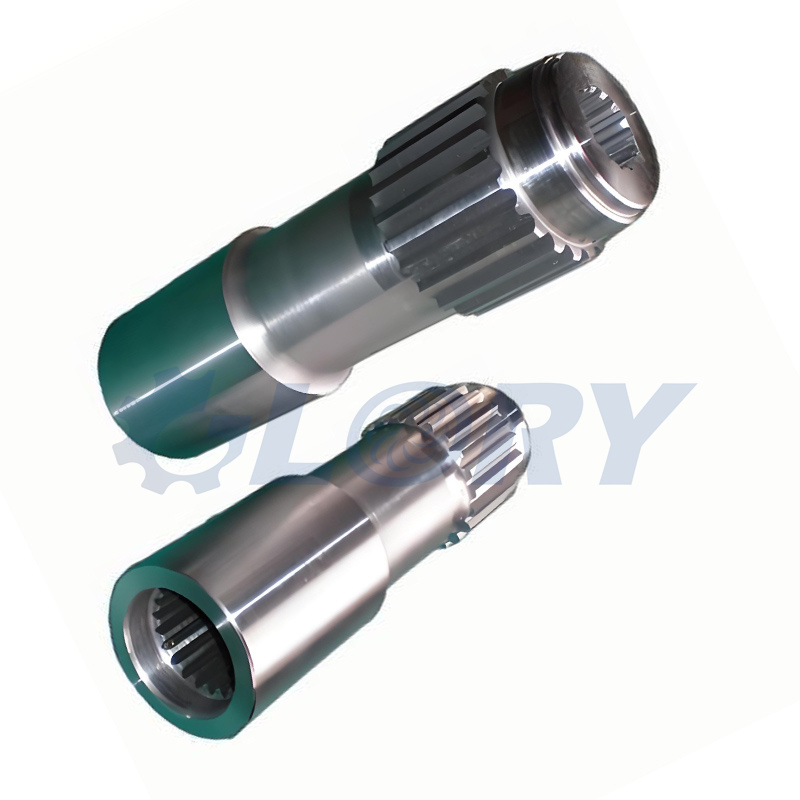
The client is a large machinery parts trader from Saudi Arabia, purchasing bulk 42CrMo (4140) quenched and tempered transmission shafts and connecting shaft sleeves for construction machinery drive systems. The core requirements include high surface hardness, stable straightness, fatigue resistance, no deformation under long-term impact load, and consistent batch tolerance for automated assembly. The client’s previous supplier had problems such as unstable shaft straightness, surface tool marks and easy thread wear after long-term operation.
We adopted a standardized process of pre-roughing, integral quenching and tempering, stress relief and precision finishing. High-rigidity cutting tools and anti-vibration processing parameters were used throughout the whole process to ensure smooth shaft surface and stable dimensional tolerance. All finished parts were tested for hardness, straightness and dimensional accuracy one by one. The batch products achieved zero assembly error and excellent dynamic balance performance. After being installed on the equipment, no fatigue fracture or thread loosening occurred under high-load operation. The client has maintained long-term stable repeat orders.
Case 2: Custom 4140 Hydraulic Valve Base Structural Parts for European Hydraulic Equipment
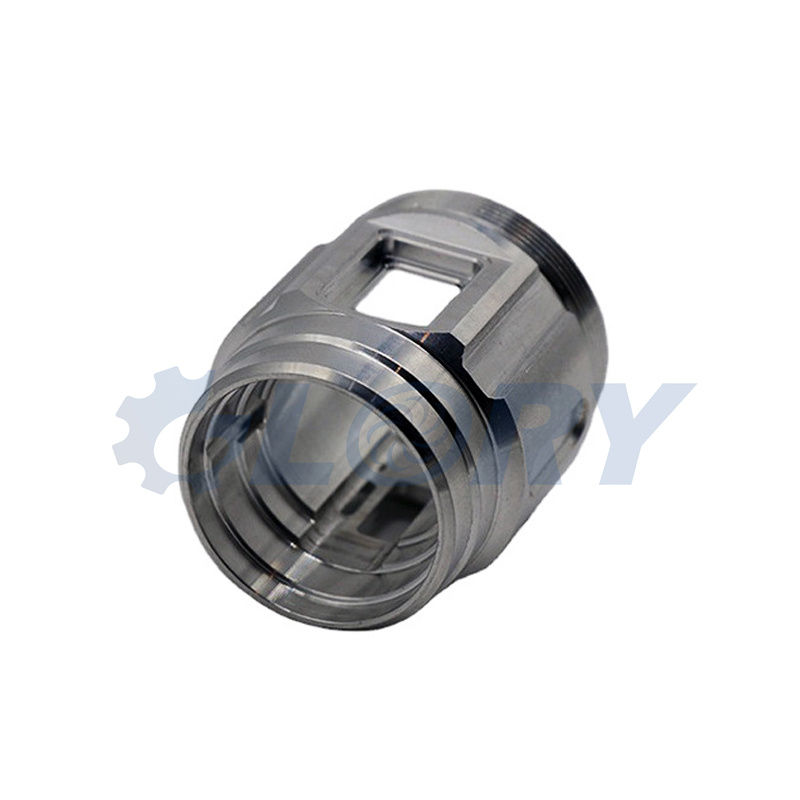
A Czech hydraulic equipment manufacturer customized small-batch multi-specification 42CrMo thick-block valve bases and high-pressure support structural parts. The workpieces feature thick-wall solid structure, dense hole positions, keyway grooves and high-precision assembly surfaces, requiring high overall rigidity, pressure resistance and zero deformation under long-term hydraulic impact. Ordinary 45# steel cannot meet the high-pressure fatigue resistance requirements.
We formulated a targeted process scheme: roughing reserved heat treatment allowance, overall quenching and tempering to improve material rigidity, and precision finishing to eliminate heat treatment deformation. For dense hole groups and keyway positions, customized positioning tooling and symmetrical cutting paths were adopted to ensure uniform stress and consistent hole spacing accuracy. The final delivered parts feature stable hardness, precise tolerance and excellent overall rigidity. The products work stably under long-term high hydraulic pressure, completely meeting European high-pressure hydraulic equipment standards, and help clients improve equipment durability significantly.
4. Our Foreign Trade Delivery Advantages for 4140 Alloy Steel
We specialize in high-difficulty precision machining of 42CrMo/4140 high-strength alloy steel, supporting drawing customization, small-batch trial production and large-scale mass production. We are proficient in the matching process of roughing, heat treatment and finishing, effectively controlling deformation and tolerance deviation of high-hardness alloy steel parts. We can provide complete material test reports, hardness inspection reports and dimensional detection data to support overseas customer audit and customs clearance. Adopting professional anti-rust oil coating and shockproof export packaging, we avoid rust and deformation during long-distance sea transportation. Relying on mature high-hard steel processing technology and stable batch quality, we provide global clients with high-reliability one-stop machining solutions for high-load alloy steel mechanical parts.
 We provide custom machined parts, 5-axis linkage CNC machining, and the design, production, and assembly of machinery and equipment.