
OEM CNC Machined 304 Stainless Steel in China
We are a China-based custom machining workshop producing OEM CNC machined 304 stainless steel in China for equipment makers, fluid-handling brands and industrial buyers who need dimensionally consistent austenitic stainless parts made exactly to their drawings. Rather than selling stock catalog items, we build each order around your geometry, tolerances, thread forms and surface requirements.
Our process chain combines CNC turning, three-axis to five-axis CNC milling, drilling, tapping and controlled finishing in one managed workflow. A single engineering sample, a short spare-parts run and a scheduled high-volume blanket order all follow the same drawing-controlled route, so the first part and the ten-thousandth part share the same dimensions and surface quality.
Grade 304 is the workhorse of the austenitic stainless family. Its 18 percent chromium and 8 percent nickel balance delivers dependable atmospheric and chemical resistance, deep formability, reliable weldability and a clean, bright appearance at a more accessible cost than high-alloy grades, which is why it remains the default choice for CNC machined 304 stainless steel in China and across global supply chains.
304 Stainless Steel at a Glance
- Austenitic chromium-nickel stainless steel, roughly 18% Cr and 8% Ni
- UNS S30400, globally equivalent to 1.4301, SUS304 and 06Cr19Ni10
- Density of 7.93 g/cm³
- Annealed tensile strength of at least 515 MPa
- Largely non-magnetic in the annealed condition
- Excellent weldability, ductility and deep-drawing behavior
- Service performance from cryogenic temperatures up to continuous oxidizing service around 870°C
- Self-repairing chromium-rich oxide surface layer in the presence of oxygen
Representative 304 Stainless Steel Parts
The components below are examples of CNC machined 304 stainless steel in China produced on our floor for export programs. Every item is a custom part built to a customer drawing rather than a stocked standard, and each can be adapted to your dimensions, thread specification and finish.
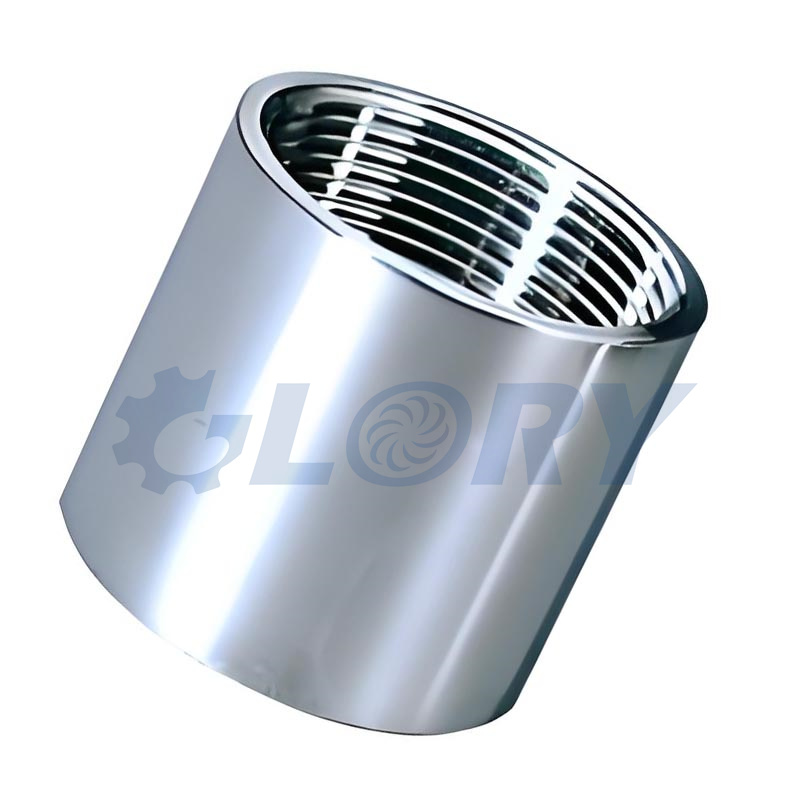

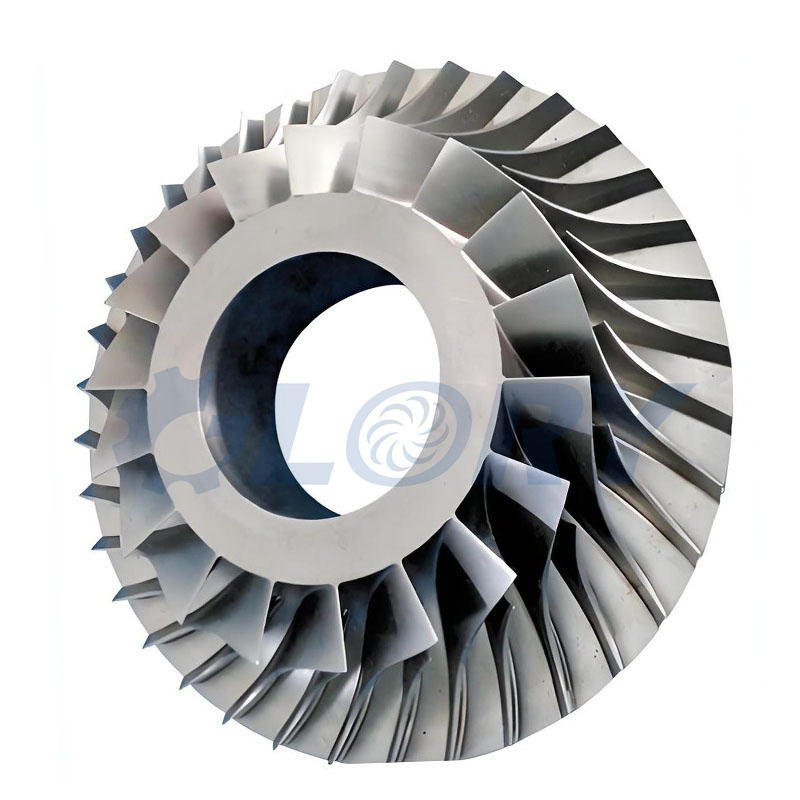
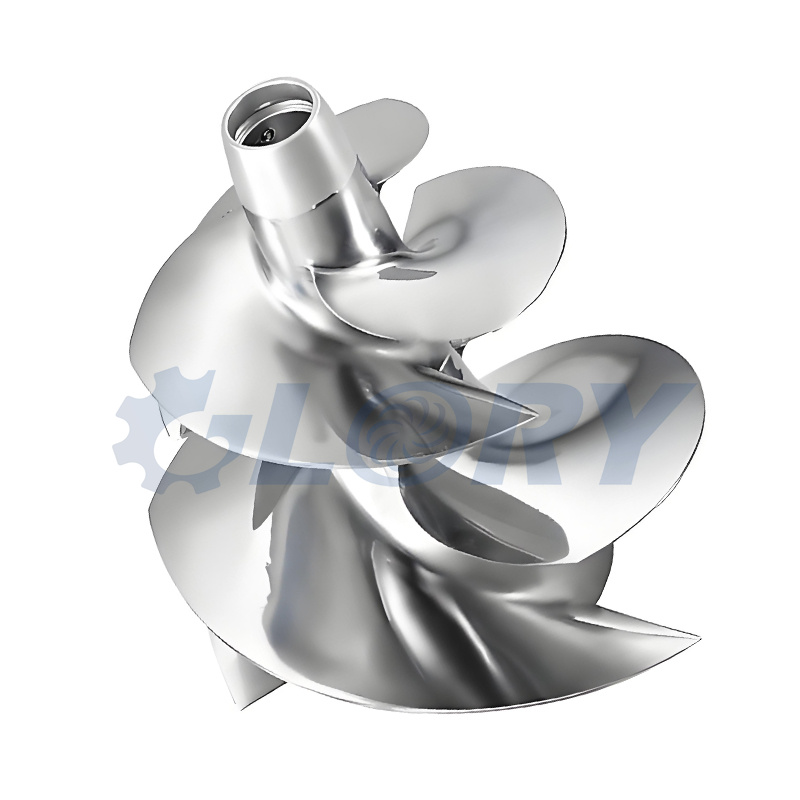
304 Grade Equivalence Across Standards
When buyers source CNC machined 304 stainless steel in China, drawings may reference AISI, ASTM, EN, JIS, GB or other national standards. They all describe the same austenitic chemistry family. Confirming the equivalent designation up front prevents mismatches between purchasing specifications, incoming material and final inspection.
| Region / System | Relevant Standard | Equivalent Grade Designation |
|---|---|---|
| United States | AISI / ASTM / UNS | 304 / S30400 |
| European Union | EN 10088 | 1.4301 / X5CrNi18-10 |
| Germany | DIN | 1.4301 / X5CrNi18-10 |
| United Kingdom | BS | 304S31 / 1.4301 |
| France | AFNOR | Z7CN18-09 |
| Japan | JIS G4303 / G4305 | SUS304 |
| China | GB/T 20878 | 06Cr19Ni10 (formerly 0Cr18Ni9) |
| International | ISO 15510 | X5CrNi18-10 |
The designations above are cross-references for the same 18Cr-8Ni austenitic chemistry; always machine to the exact standard named on your drawing.
Typical Chemical Composition (wt %, annealed)
| Element | Range / Limit |
|---|---|
| Carbon (C) | ≤ 0.08 |
| Chromium (Cr) | 18.00 – 20.00 |
| Nickel (Ni) | 8.00 – 10.50 |
| Manganese (Mn) | ≤ 2.00 |
| Silicon (Si) | ≤ 0.75 |
| Phosphorus (P) | ≤ 0.045 |
| Sulfur (S) | ≤ 0.030 |
| Nitrogen (N) | ≤ 0.10 |
| Iron (Fe) | Balance |
Key Physical & Mechanical Properties
| Property | Typical Value |
|---|---|
| Density | 7.93 g/cm³ |
| Melting range | 1400 – 1450°C |
| Elastic modulus | approx. 193 GPa |
| Tensile strength | ≥ 515 MPa |
| 0.2% proof strength | ≥ 205 MPa |
| Elongation (50 mm) | ≥ 40% |
| Annealed hardness | ≤ 183 HB |
| Thermal conductivity (100°C) | approx. 16.2 W/(m·K) |
| Magnetic behavior | essentially non-magnetic when annealed |
Why Designers Choose 304 for Machined Components
Broad Corrosion Resistance
The 18Cr-8Ni chemistry resists atmospheric corrosion, oxidizing media, fresh water, many food acids and mild chemical environments. A chromium-rich passive oxide film reforms naturally when oxygen is present, helping machined surfaces recover after minor handling damage.
Hygienic, Easy-to-Clean Surface
With no porous coating and a smooth machined finish, 304 suits food, beverage, dairy and sanitary fluid-contact parts. Surfaces accept passivation, bead blasting, brushing and electropolishing to reduce roughness and simplify cleaning cycles.
Formability and Weldability
High elongation allows cold forming, bending and deep drawing before machining, while TIG and MIG welding are straightforward. The grade cannot be hardened by heat treatment; it work-hardens under cold cutting, so sharp tools and steady feeds protect tool life and surface finish.
Wide Temperature Window
304 retains good toughness at cryogenic temperatures and resists oxidation in continuous oxidizing service up to roughly 870°C, making it useful for both low-temperature fluid hardware and moderately hot equipment zones.
Balanced Mechanical Behavior
Annealed bar and plate combine at least 515 MPa tensile strength with elongation above 40 percent, giving rigid yet tough machined parts. Cold-worked sections may gain slight magnetic response, a normal metallurgical effect rather than a material defect.
Finish Versatility and Appearance
The material takes a uniform bright machined look and supports brushed, mirror-polished, bead-blasted, passivated and electropolished finishes, so a single grade can cover functional internal parts and visible external trim on the same assembly.
Turning, Multi-Axis Milling, Drilling and Tapping
CNC machined 304 stainless steel in China is only as accurate as the process behind it. Our integrated process list covers the complete geometry of a typical 304 component without sending core operations to outside vendors, which protects both lead time and dimensional consistency.
CNC Turning
Bar-fed and chucked turning on CNC lathes with live tooling produces shafts, sleeves, bushings, couplings, threaded plugs and rotational fittings. Operations include outside- and inside-diameter turning, facing, grooving, knurling, single-point threading and cutoff, with linear tolerances held to around ±0.01 mm where drawings require.
3-Axis CNC Milling
Vertical machining centers handle prismatic 304 parts with pockets, slots, flat faces, bolt-hole patterns and contoured surfaces. Careful fixturing and climb-milling strategies manage work hardening so that walls and floors stay flat and tool marks remain uniform across batches.
4-Axis CNC Milling
A rotary fourth axis enables indexed machining around a part and limited continuous contouring. Multi-side features, radial holes, cross-holes and angled faces are completed in fewer setups, reducing stack-up error on valve bodies, manifolds and cylindrical housings.
5-Axis CNC Milling
Simultaneous five-axis machining reaches compound curves, deep cavities and tightly spaced blades in a single clamping. It is the preferred route for compressor impellers, pump vanes and complex 304 parts where short, rigid tooling and controlled cutter orientation decide surface quality.
Precision Drilling
We produce straight holes, cross-holes, stepped holes and deep holes in 304 using spot drilling, peck cycles, reaming and boring preparation. Chip-evacuation cycles and appropriate coolant strategy prevent work-hardened bores and extend drill life in this gummy austenitic grade.
Tapping and Threading
Internal and external threads cover metric M-series, unified UNC/UNF, NPT and BSP (G) forms, produced by tapping, thread milling or single-point turning. Thread milling is favored for harder-to-reach or large-diameter 304 threads because it delivers cleaner flanks and predictable pitch diameter.
Flexible Quantities for Every Program Stage
Whether you need a single CNC machined 304 stainless steel part made in China for a prototype or a recurring blanket order of tens of thousands of pieces, the same drawing-controlled route applies. Tooling and fixturing are simply scaled to the quantity tier.
Single Pieces & Prototypes
One-off parts, first articles and engineering samples are cut from standard 304 bar or plate stock. We review the drawing for machinability, sharp internal corners, thread depth and tool reach before the first chip, so the prototype already reflects production intent.
Small Batches
Runs of roughly 10 to 500 pieces cover spare parts, pilot products and maintenance stock. Soft-jaw and simple fixture setups keep unit cost reasonable while preserving the flexibility to revise dimensions between releases.
Medium Production Runs
Runs from roughly 500 to 5,000 pieces benefit from dedicated fixturing, grouped operations and scheduled raw-material releases. Process parameters are locked after the first approved batch and repeated on every follow-up order.
High-Volume Production
Programs above 5,000 pieces use multi-station fixtures, optimized cycle times and planned machine allocation. Lot records, in-process checks and consistent packaging support repeatable delivery for OEM assembly lines and distribution brands.
A Controlled Six-Step Machining Workflow
Every order of CNC machined 304 stainless steel in China follows the same transparent sequence, so progress is predictable from drawing to packed carton.
Drawing Review and DFM Feedback
Dimensions, tolerances, thread standards, surface marks and material state are checked against realistic tool access and 304 machining behavior, with feedback raised before production starts.
Material Planning
Bar, plate or tube stock in the confirmed designation, such as S30400, SUS304 or 1.4301, is selected by size to minimize waste, and heat and lot information is recorded against the order.
Process and Fixture Design
Turning and milling sequences, work-holding, tool selection, speeds and feeds and inspection points are planned together so that setups stay minimal and repeatable.
CNC Machining
Turning, three- to five-axis milling, drilling and tapping are executed on-program, with first-piece inspection confirming critical dimensions before the run continues.
Deburring and Surface Preparation
Sharp edges are broken, burrs removed from cross-holes and threads, and the agreed finish, such as brushing, bead blasting, polishing or passivation, is applied consistently.
Inspection, Labeling and Packing
Final dimensional checks, labeling to part number and revision, and export-oriented neutral packing protect surface finish and thread integrity through long transit.
Machining and Inspection Capabilities in Practice
The scenes below show where CNC machined 304 stainless steel in China is actually produced and verified, from organized production cells to two-dimensional profile measurement and three-dimensional coordinate inspection.
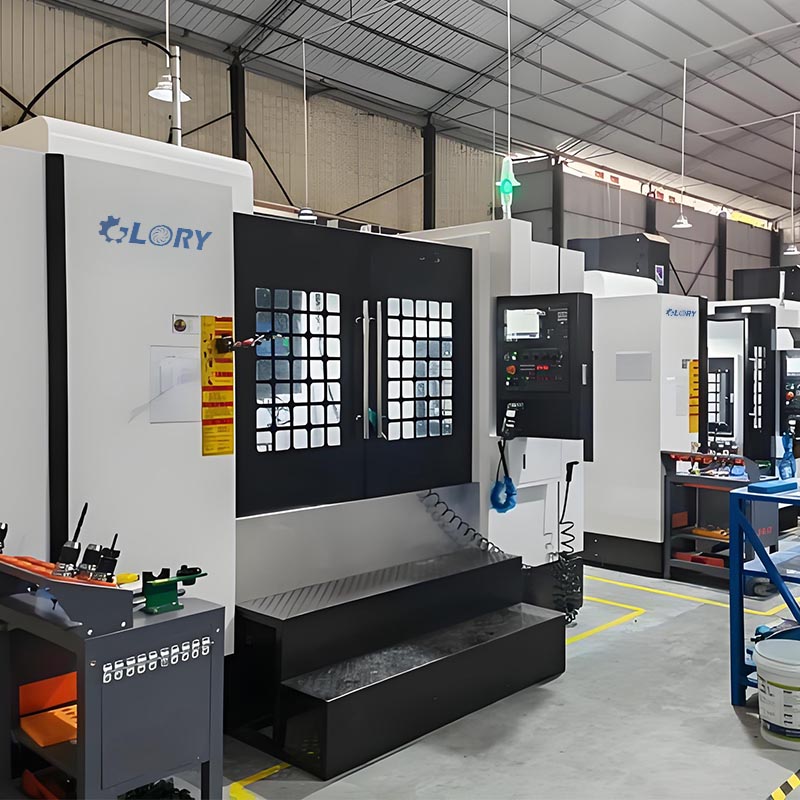
Workshop
Turning and milling cells are arranged by process family, so 304 parts move efficiently from raw stock to finished component with controlled work-in-progress between operations.
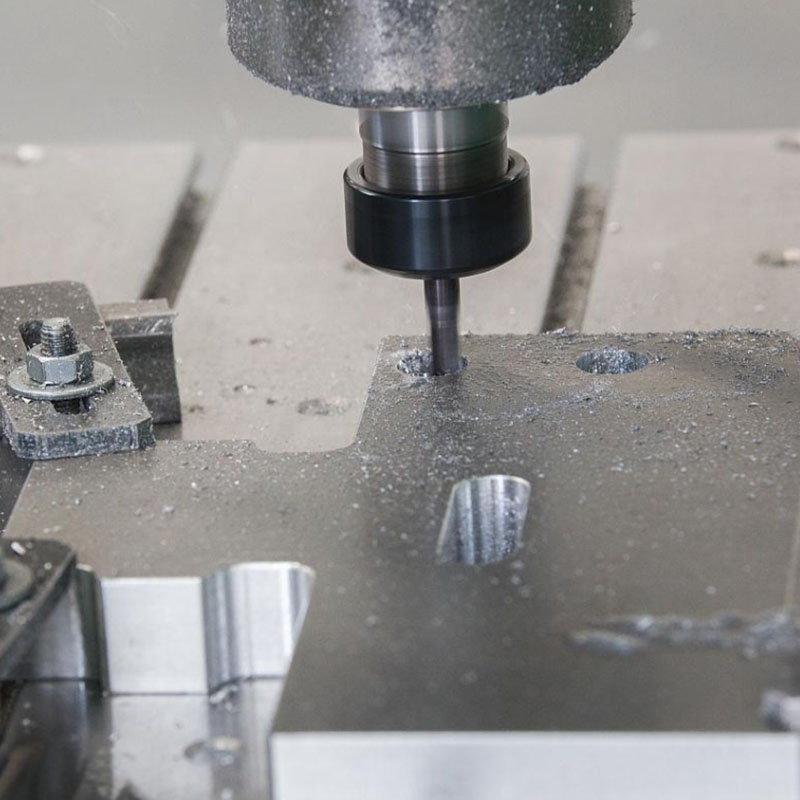
CNC Milling
Vertical machining centers carry out milling, drilling and tapping in coordinated setups, keeping hole patterns, faces and threaded features aligned to a single datum structure.
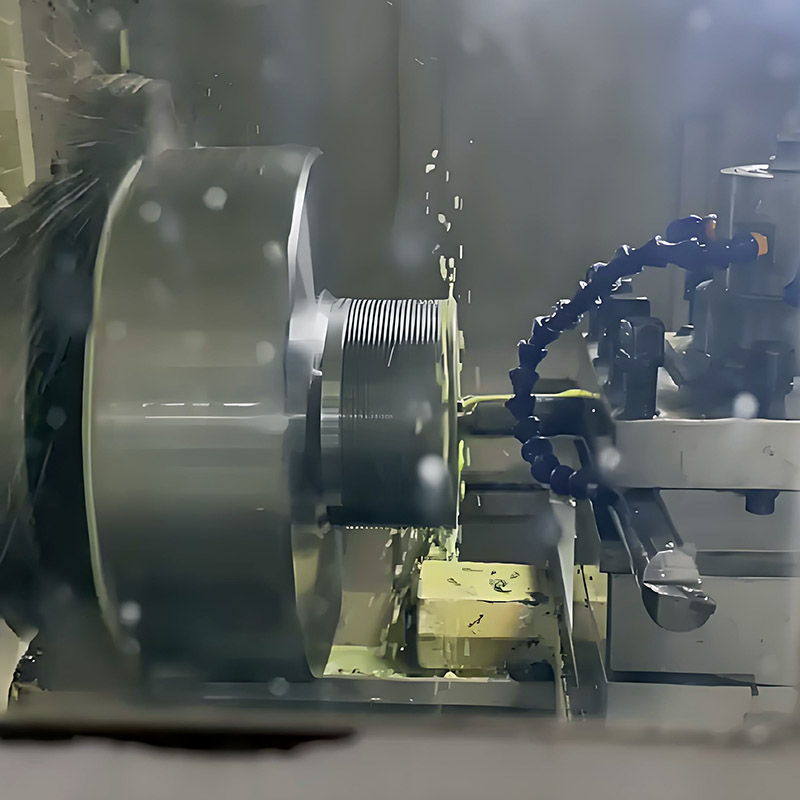
CNC Turning
Bar-fed turning centers produce rotational 304 components with consistent concentricity, controlled surface roughness and repeatable thread forms from piece to piece.
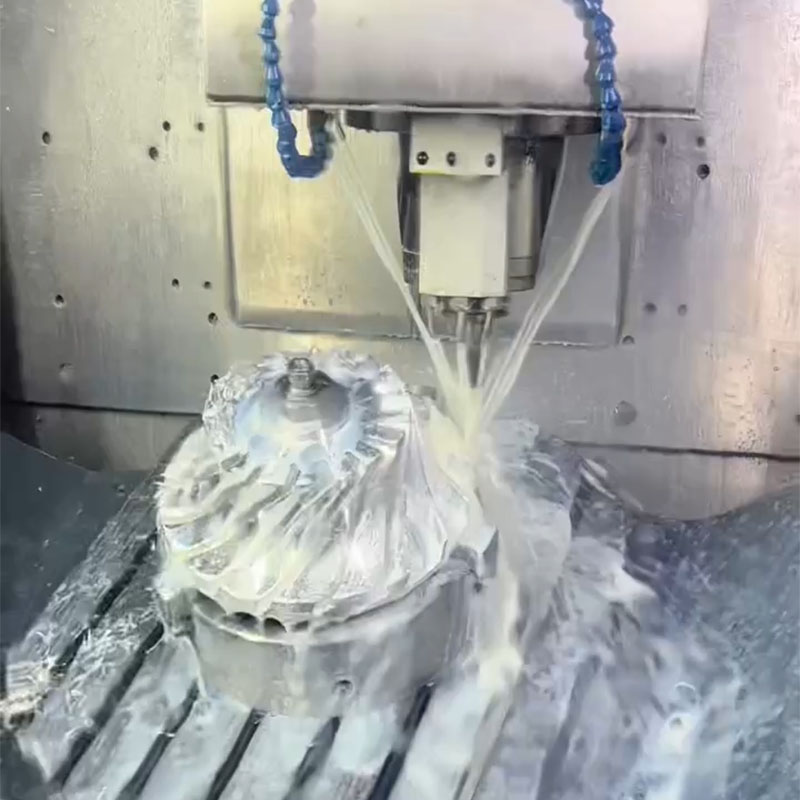
5-Axis Milling
Simultaneous five-axis movement reaches complex blade and cavity geometry in one clamping, which is essential for impellers and other contoured 304 components.
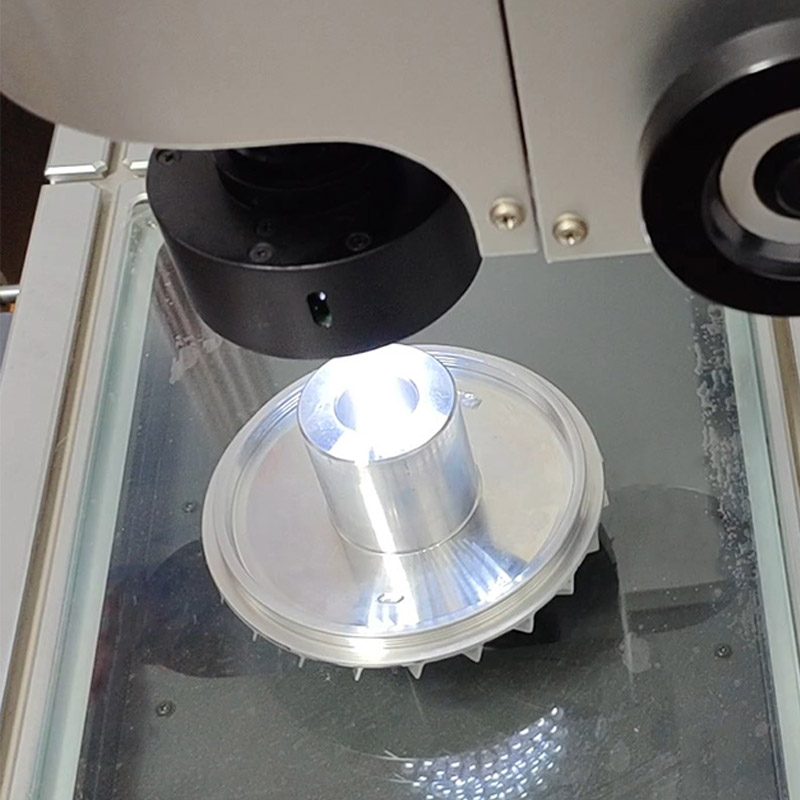
2D Measuring
A profile projector and vision-based measurement check two-dimensional profiles, radii, angles, thread forms and edge details against magnified overlays and digital readings.
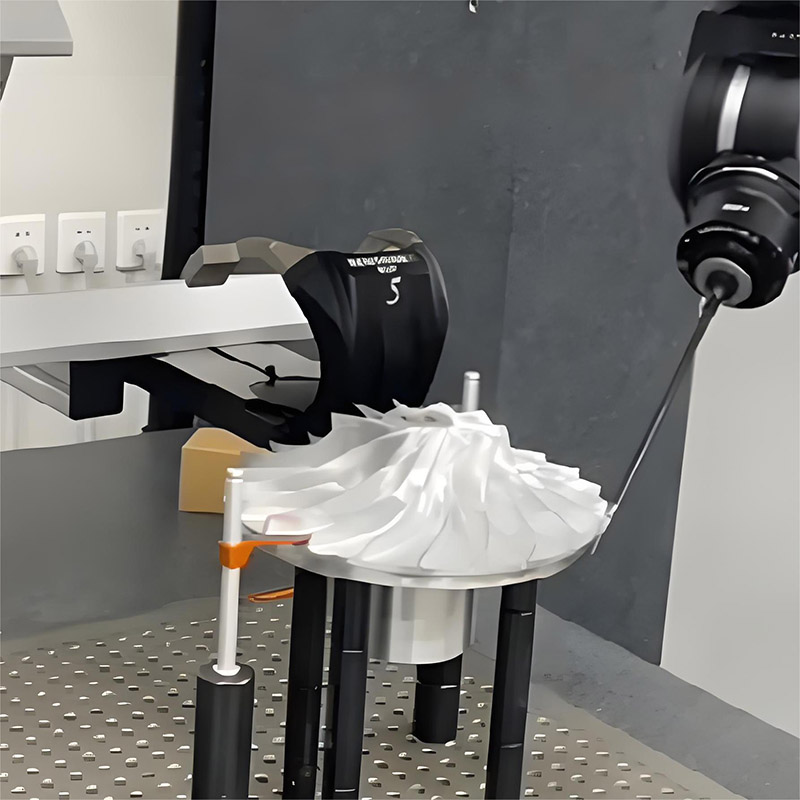
3D Measuring
A coordinate measuring machine captures three-dimensional point data on bores, positions and complex surfaces, supporting first-article checks and recurring lot dimensional records.
What Sets a Drawing-Driven 304 Workshop Apart
Sourcing CNC machined 304 stainless steel in China works best when the workshop understands both the metallurgy and the export workflow. These six points define how we run every program.
Engineering-First Drawing Review
We translate drawings into stable processes before cutting, flagging tolerance stacks, thin walls, deep pockets, thread engagement and surface requirements that influence cost or feasibility.
Material and Lot Control
304 stock is selected to the named standard, sized to the part and tracked by heat and lot records, so each production batch can be traced back to the raw material used.
Tight, Repeatable Tolerances
Stable fixturing, calibrated machines and first-piece confirmation hold typical linear tolerances near ±0.01 mm and keep bore, thread and position variation tight across long runs.
One Process Roof
Turning, multi-axis milling, drilling, tapping, deburring and finishing coordination are managed together, removing the handoff delays and dimensional drift that come with split-vendor routing.
Scalable Capacity
The same engineering team supports a lone prototype and a volume OEM program, letting buyers mature a design without changing supplier or re-explaining the drawing history.
Export-Ready Presentation
Neutral labeling, part-number and revision tags, thread protection and tailored inner and outer packaging safeguard bright 304 surfaces during ocean and road transit.
Typical Applications for Machined 304 Parts
The combination of corrosion resistance, clean appearance and steady machinability makes CNC machined 304 stainless steel in China a common choice across the following sectors.
Valves, Fittings and Fluid Components
Threaded couplings, plugs, adapters, connector bodies, gland components and fluid-line hardware in metric, NPT and BSP thread forms for pneumatic, hydraulic and process systems.
Food, Beverage and Dairy Equipment
Brackets, shafts, housings, clamping parts and wash-down components that benefit from smooth surfaces, frequent cleaning and resistance to many organic acids and cleaning agents.
Pumps and Compressors
Impellers, sleeves, spacers, shaft components and mounting hardware where five-axis milling and balanced fixturing keep rotating geometry concentric and vibration-free.
Industrial Machinery and Automation
Custom mounts, pivot pins, guide blocks, sensor holders, jig plates and machine spares that need dependable strength and resistance to factory-floor atmospheres.
Electronics, Sensors and Enclosures
Precision plates, connector shells, probe bodies and shielding components where clean machined faces, accurate hole positions and non-magnetic behavior are useful.
Outdoor and Architectural Hardware
Fasteners, screws, standoffs, trim brackets and exposed fittings for atmospheric outdoor use, with brushed or polished finishes chosen to match visible assemblies.
Frequently Asked Questions About Machined 304
These answers address the points most often raised by buyers comparing suppliers of CNC machined 304 stainless steel in China.
What is included when a part is described as CNC machined 304 stainless steel in China?
It means a custom component is cut from 304 stock using CNC turning, milling, drilling or tapping, exactly to a customer drawing. It can range from a single five-axis impeller to a high-volume series of threaded fittings, with finishing and packing handled to the purchase specification.
Which grade name should appear on our drawing?
Use the designation your quality system recognizes. AISI 304 and UNS S30400 are common in US-facing drawings, SUS304 in Japanese specifications, 1.4301 or X5CrNi18-10 in European drawings, and 06Cr19Ni10 in Chinese GB standards. They describe the same 18Cr-8Ni chemistry family.
What is the difference between 304 and 304L?
304L lowers the maximum carbon content from 0.08 percent to 0.03 percent, which reduces carbide precipitation after welding and is preferred for heavily welded structures. Both machine on the same equipment; we can produce either grade as long as the drawing states it clearly.
Is there a minimum order quantity?
No. One-piece prototypes and single spare parts are accepted, while pricing becomes more favorable as quantity rises because fixture and setup time can be spread across more pieces.
Which thread types can be machined in 304?
Metric M threads, unified UNC and UNF threads, NPT tapered pipe threads and BSP parallel G threads are routine, alongside custom multi-start and special profiles. Internal threads use tapping or thread milling, and external threads use single-point turning or milling.
How are dimensions verified before shipment?
Critical dimensions are confirmed at first article and rechecked during the run with hand instruments, a 2D profile projector for profiles and thread forms, and a 3D coordinate measuring machine for positions and complex surfaces. Dimensional records are kept by production lot.
A Practical Source for Custom 304 Machining
Ordering CNC machined 304 stainless steel in China through a drawing-driven workshop removes the gap between catalog standards and the exact geometry an assembly needs. With turning, three- to five-axis milling, drilling and tapping integrated under one roof, grade equivalence understood across AISI, EN, JIS and GB standards, and quantities that scale from one piece to mass production, 304 components can be developed, validated and repeated without changing supplier at every stage of growth.
About Us
 We provide custom machined parts, 5-axis linkage CNC machining, and the design, production, and assembly of machinery and equipment.
