
This guide is designed for international buyers, mechanical manufacturers and sourcing teams. It covers global titanium alloy grade equivalents, common machined part categories, practical machining quality standards and real project cases. The content is factory-oriented, straightforward and suitable for customer communication, quotation evaluation and batch quality control.
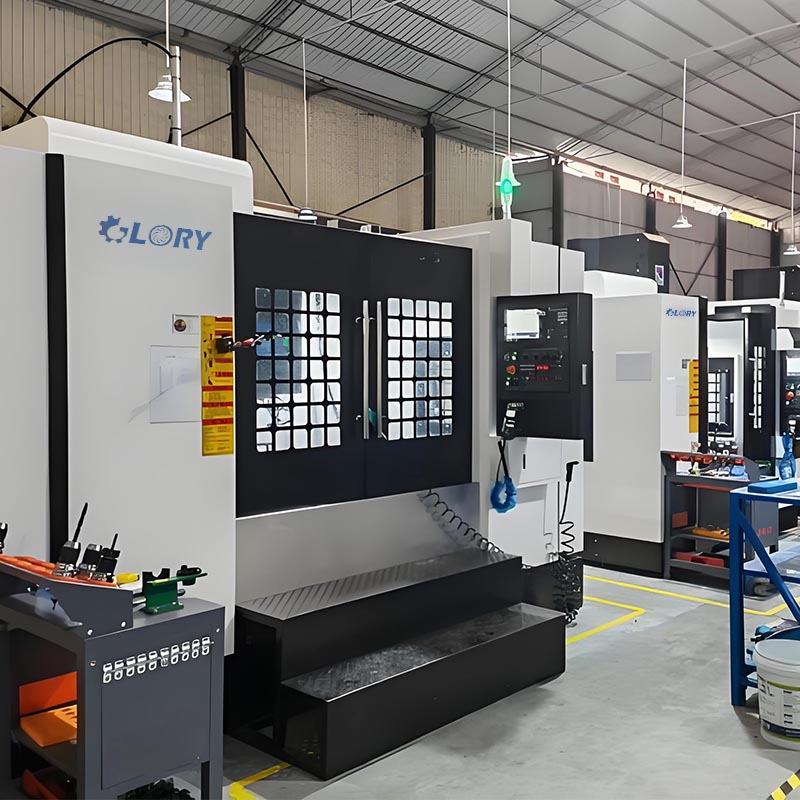
1. Global Titanium Alloy Grade Selection & Standard Equivalents
Most foreign trade orders fall into two mainstream series: commercially pure titanium and high-strength TC4 titanium alloy. Grades from different countries are interchangeable in general mechanical applications. Select strictly according to working conditions and drawing standards to avoid material mismatch and performance failure.
1.1 Commercially Pure Titanium (Corrosion Resistant, Easy to Machine, Low Strength)
Best for normal corrosion-resistant, vacuum and room-temperature static equipment without heavy load requirements.
- China GB: TA1, TA2
- USA ASTM: Gr1, Gr2
- Japan JIS: TP270, TP340
- Europe EN: 3.7025, 3.7035
Typical applications: chemical corrosion-resistant parts, electroplating equipment components, vacuum chamber parts, anti-corrosion brackets, general precision fixing parts.
1.2 High-Strength Titanium Alloy (Mainstream Grade for High-End Orders)
TC4 / Gr5 covers over 90% of high-end titanium alloy orders. It is widely used in aerospace, marine, medical and high-pressure hydraulic systems requiring high strength and lightweight performance.
- China GB: TC4
- USA ASTM: Gr5, Ti-6Al-4V, AMS4928 (Aerospace standard)
- Russia GOST: BT6
- Europe EN: 3.7165
Typical applications: aerospace structural components, drone parts, marine high-pressure fluid fittings, medical structural parts, high-strength wear-resistant and high-temperature resistant precision components.
1.3 High-Grade Special Titanium Alloys (Premium Custom Grades)
- TC4ELI / Ti-6Al-4VELI: Extra low interstitial grade. For medical implantation and minimally invasive devices with higher toughness and safety requirements.
- Ti-3Al-2.5V: Ideal for aerospace thin-wall tubing and flexible pipelines with excellent fatigue resistance and deformation resistance.
2. Common Titanium Alloy Machined Parts (High-Frequency Export List)
Below are the most frequently purchased titanium components for foreign trade drawings and bulk orders:
1. Shaft parts: pin shafts, stepped shafts, drive shafts, positioning shafts, fine adjustment shafts, eccentric shafts, valve stems
2. Sleeve & ring parts: sealing bushes, connecting sleeves, spacer rings, clamping rings, lock washers, bearing spacers
3. Plate & structural support parts: fixing plates, support bases, equipment hangers, fixture base plates, multi-hole positioning plates, lightweight support brackets
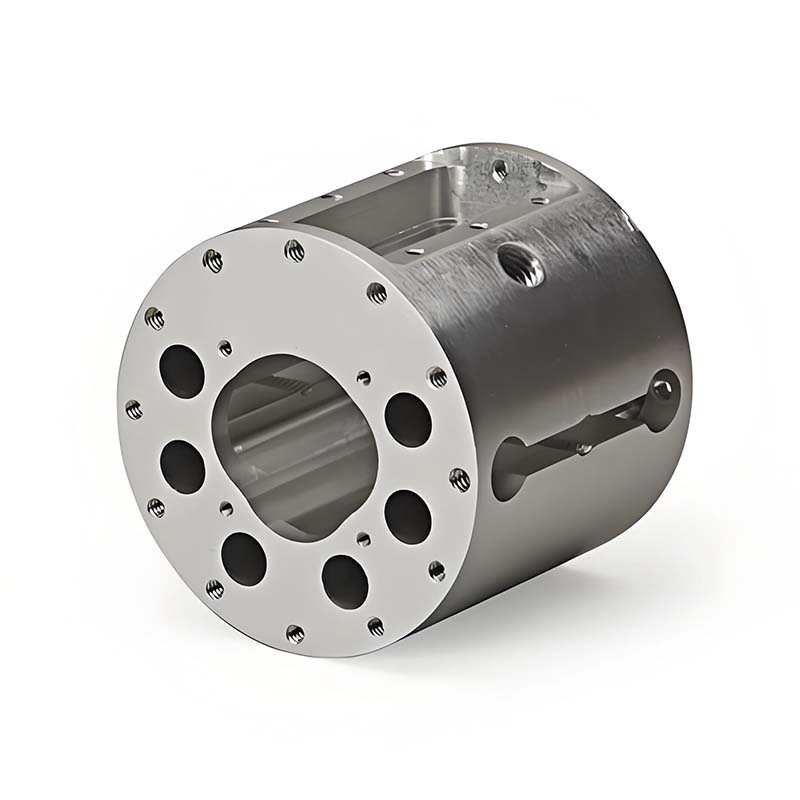
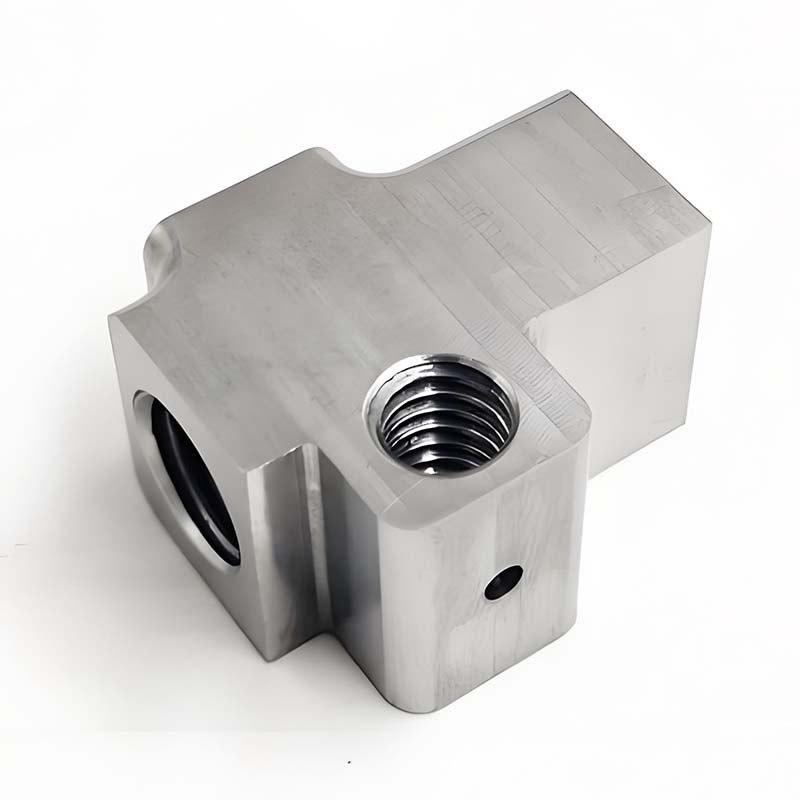
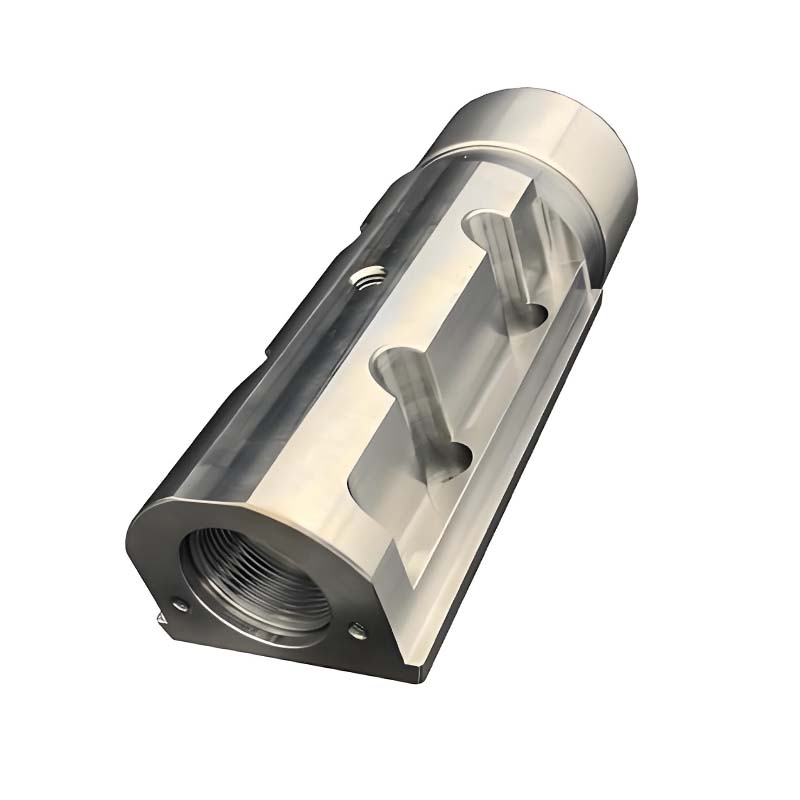
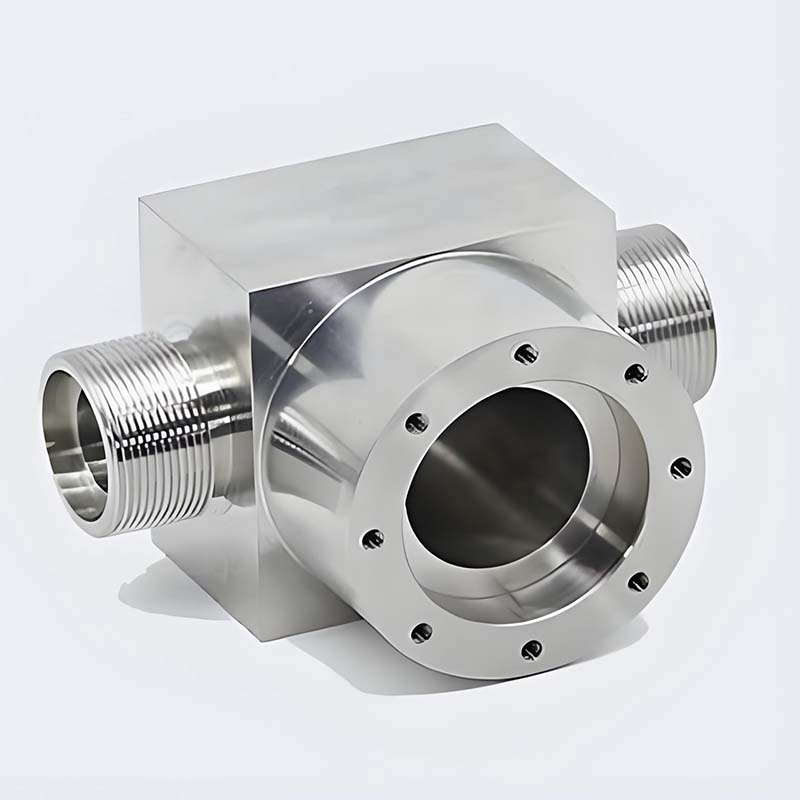
4. Fluid & hydraulic high-pressure parts: valve seats, valve bodies, high-pressure fluid connectors, pipe adapters, throttle parts, sealing bases
5. Aerospace & drone lightweight parts: lifting lugs, mounting supports, reinforcing blocks, weight-reduced structural parts, high-strength connection components
6. Medical precision parts: screw base blocks, implant support parts, surgical tool connectors, medical fixture components
3. Material Performance & Application Guidelines
Core advantages: Higher specific strength than steel, 30% lighter than carbon steel, excellent seawater and acid-alkali corrosion resistance, non-magnetic, high-temperature resistant, biocompatible, stable long-term service without aging deformation.
Recommended scenarios: aerospace, drone equipment, marine engineering, chemical anti-corrosion equipment, medical devices, high-end automation, high-pressure hydraulic systems, outdoor premium equipment.
Not recommended scenarios: low-cost general structural parts without corrosion or strength requirements. Titanium is cost-ineffective and can be replaced by carbon steel or stainless steel.
4. Machining & Quality Acceptance Standards
Titanium alloy has poor thermal conductivity, easy tool adhesion, elastic rebound and work hardening. These characteristics cause burning marks, deformation and dimension drift if processed improperly. The following standards are mandatory for incoming inspection.
4.1 Turning Quality Requirements
Adopt low speed, moderate feed and full oil cooling. Dry high-speed cutting is forbidden. Finished surfaces must be free of burning marks, hardness variation and visible tool lines. Thin-wall sleeves and slender shafts require multi-pass layered cutting to reserve rebound tolerance and ensure stable dimensional accuracy without bending deformation.
4.2 Milling Quality Requirements
Use layered light cutting and climb milling. Heavy cutting is prohibited. For hollow structures, thin plates and multi-hole plates, apply symmetrical tool paths to balance stress. Finished parts must be flat without warping, edge chipping or chatter marks.
4.3 Drilling & Tapping Standards
All holes must be processed by step drilling to avoid hole wall hardening and burning. Use dedicated titanium taps with low speed and sufficient oil lubrication. Threads must be clean without tooth damage or slipping and pass 100% go/no-go gauge inspection.
4.4 Deformation & Dimensional Control
High-precision parts must follow the process: rough machining → stress relief → finish machining to eliminate elastic rebound and dimensional drift. All edges are deburred and broken. High-end orders require annealing treatment to guarantee stable size during long sea transportation and long-term operation.
4.5 Surface Finishing Options
Available treatments: natural turning finish, precision sandblasting, anodizing, mirror polishing, pickling and passivation, solution heat treatment. Meet EU, US and Japanese aerospace, medical and marine export standards.
5. Real Foreign Trade Procurement Cases
Case 1: European Marine Equipment — Gr5 (TC4) High-Pressure Fittings
Requirement: A Dutch marine technology company purchased batch titanium high-pressure connectors and valve seats in ASTM Gr5 standard. Parts must resist seawater corrosion, sustain high pressure without leakage and serve stably in deep-sea environments. 304/316 stainless steel cannot replace titanium for this project.
Procurement pain point: Ordinary processing causes sealing surface scratches, unstable thread precision and inconsistent batch size, leading to high-pressure leakage failure.
Quality solution: Dedicated titanium tools with low-speed finishing, independent sealing surface fine turning, full cooling and post-machining stress relief. All threads are 100% gauge checked. Finished parts passed hydraulic pressure and salt spray tests.
Result: Stable batch consistency, no corrosion or leakage in deep-sea operation. Long-term repeated orders confirmed.
Case 2: Middle East Drone Industry — TC4 Lightweight Structural Parts
Requirement: A Middle Eastern client customized titanium multi-hole fixing plates, lightweight brackets and connecting lugs to replace original 4140 steel parts. Target: 30% weight reduction, high strength and vibration resistance without structural deformation.
Procurement pain point: Thin and hollow structures are prone to milling deformation, edge chipping and flatness tolerance errors, affecting assembly and flight safety.
Quality solution: Vacuum flexible clamping, symmetrical layered milling, stress relief after roughing and precision finishing. Strict flatness and hole position tolerance control.
Result: Qualified lightweight effect, stable flight performance without deformation. Annual bulk procurement partnership established.
6. Export Delivery & Quality Assurance
Full grade support: Custom machining for TA1/TA2 pure titanium, TC4/Gr5, TC4ELI and other titanium grades, supporting prototype small batches and mass production.
Multi-standard compliance: Manufactured in accordance with GB, ASTM, EN, JIS standards. Provide 3.1 material certificates, hardness test reports and full dimensional inspection reports for customer audit and customs clearance.
Export packaging: Shockproof, rust-proof and moisture-proof packaging to avoid scratch, oxidation and deformation during long-distance sea shipping.
 We provide custom machined parts, 5-axis linkage CNC machining, and the design, production, and assembly of machinery and equipment.