
POM (Polyoxymethylene), commonly known as Delrin or acetal plastic, is a high-rigidity, low-friction engineering plastic widely used in precision mechanical transmission parts, automation accessories, valve components and wear-resistant structural parts for global foreign trade equipment. Compared with ordinary nylon plastic, POM features higher surface hardness, better dimensional stability, lower water absorption and superior wear resistance, with excellent self-lubricating performance and fatigue resistance. It is extensively exported to Europe, Southeast Asia, the Middle East and other regions, massively applied in non-corrosive, high-frequency moving and precision assembly scenarios. As a brittle and low-toughness engineering plastic, POM has unique machining defects including easy chipping, brittle fracture and thermal melting during cutting, requiring targeted process parameter optimization for high-precision batch production.
Although POM material has good moldability and stable physical properties, its poor heat resistance and brittleness bring obvious challenges to precision machining. Improper cutting speed, tool selection or clamping force will directly cause edge chipping, surface melting, dimensional shrinkage and batch size inconsistency. With rich experience in foreign trade precision plastic machining, we have formed standardized POM processing technologies to effectively control edge defects, thermal deformation and tolerance deviation, providing high-stability and high-finish custom POM parts for overseas industrial clients.
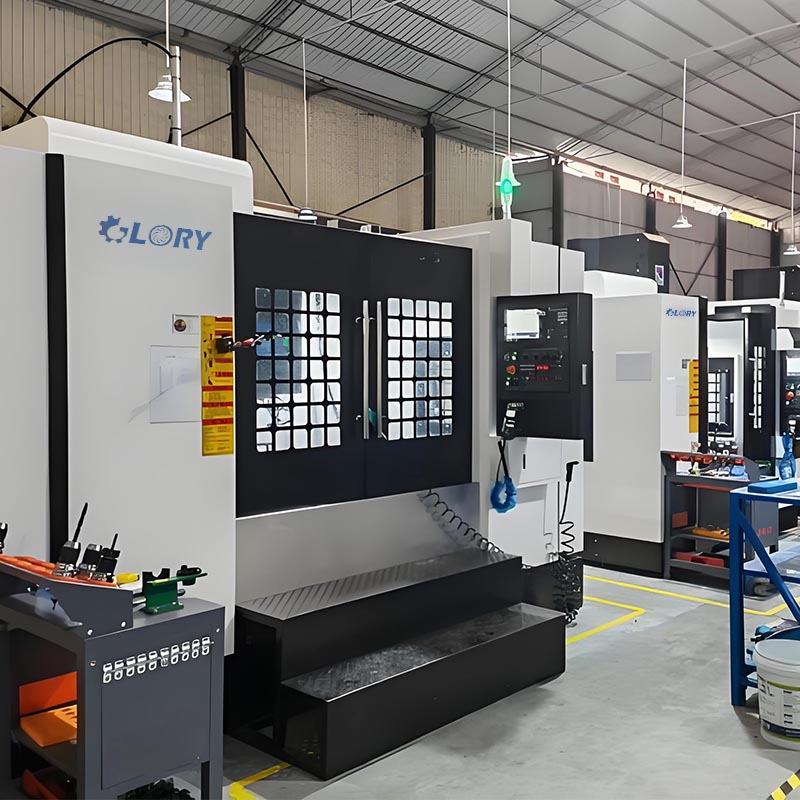
1. Core Machining Features of POM (Delrin) Material
Different from soft nylon and metal materials, POM presents typical brittle plastic machining characteristics, which define its exclusive processing rules in turning, milling and hole making:
• Low heat resistance and easy thermal melting:POM is sensitive to cutting heat; excessive temperature will cause surface melting, tool adhesion and rough finished surface.
• High brittleness and easy edge chipping:Sharp corners, thin walls and orifice edges are prone to brittle collapse under cutting force, resulting in defective edges.
• Ultra-low water absorption and stable size:Different from PA nylon, POM hardly absorbs moisture, so finished parts will not deform or expand after delivery, ensuring long-term dimensional stability.
• High rigidity but poor toughness:Parts with thin thickness or narrow grooves are easy to crack under excessive clamping force or strong cutting impact.
2. Full-Spec POM Precision Machining Process
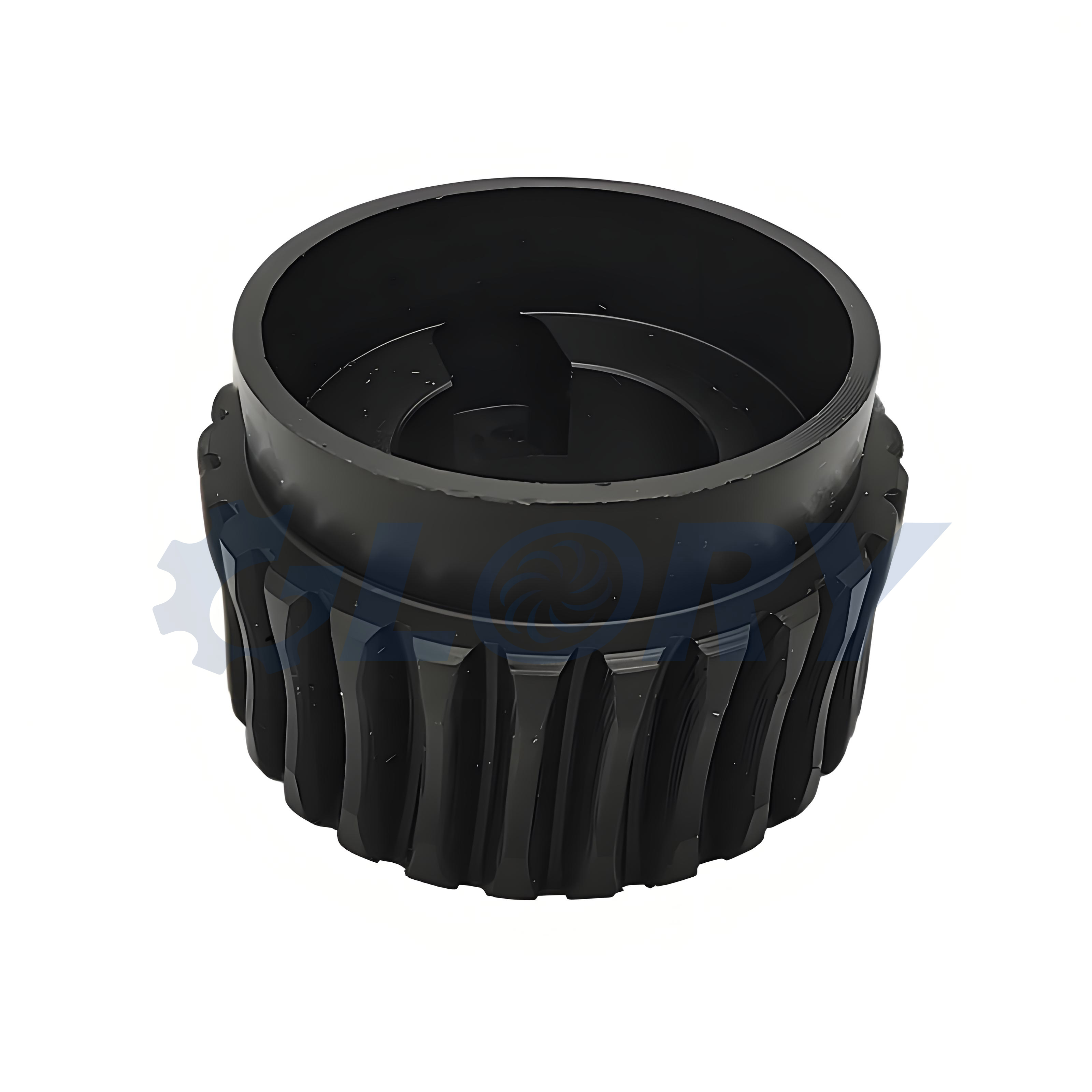
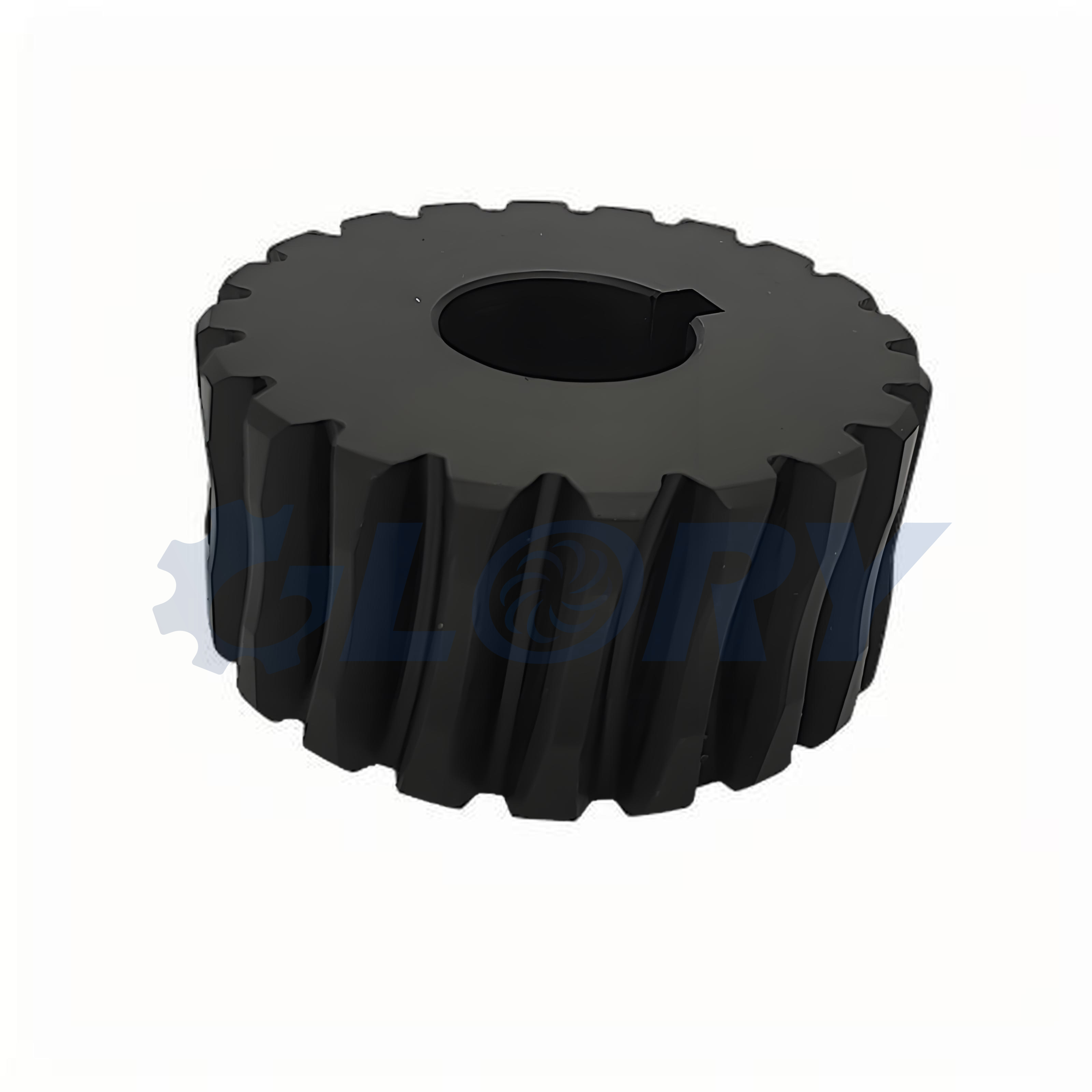
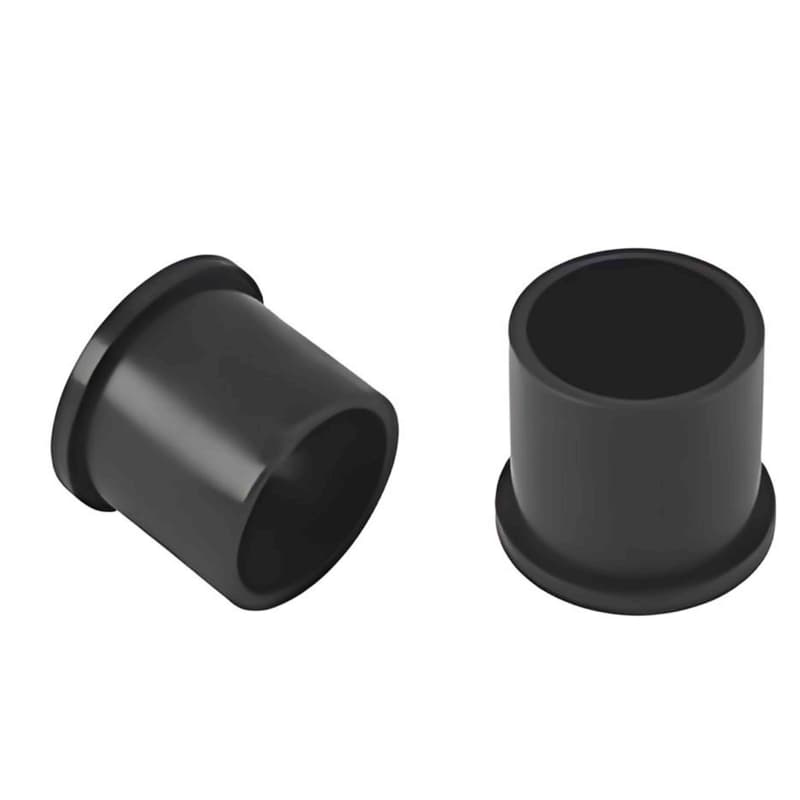
We provide one-stop customized deep processing for POM round bars, plates and profiles, covering precision CNC turning, high-speed milling, drilling, reaming, tapping, grooving, contour cutting, chamfering, fine deburring and precision shaping. We custom-produce POM wear-resistant gears, guide sliders, shaft sleeves, positioning pins, valve core accessories, automation fixture spacers and precision moving structural parts in strict accordance with ISO, DIN and ANSI international tolerance standards. All processed parts adapt to high-frequency operation, precise assembly and low-noise working requirements of overseas automation and mechanical equipment.
2.1 Precision CNC Turning for Rotary POM Parts
For POM shaft sleeves, rollers, positioning shafts, cylindrical spacers and circular transmission parts, we adopt high-speed low-pressure turning process with special sharp plastic tools. To avoid thermal melting and edge chipping of brittle POM, we optimize high-speed light-cutting parameters with small cutting depth and uniform feed rate, effectively reducing cutting heat and mechanical impact. We strictly control roundness, coaxiality and end-face flatness, with conventional tolerance stably controlled within ±0.02mm and high-precision matching parts within ±0.01mm. For thin-wall POM sleeves prone to deformation and cracking, we adopt multi-pass finishing and loose clamping process to eliminate stress damage and ensure smooth and burr-free surface.
2.2 High-Speed Milling for Complex & Thin-Walled POM Parts
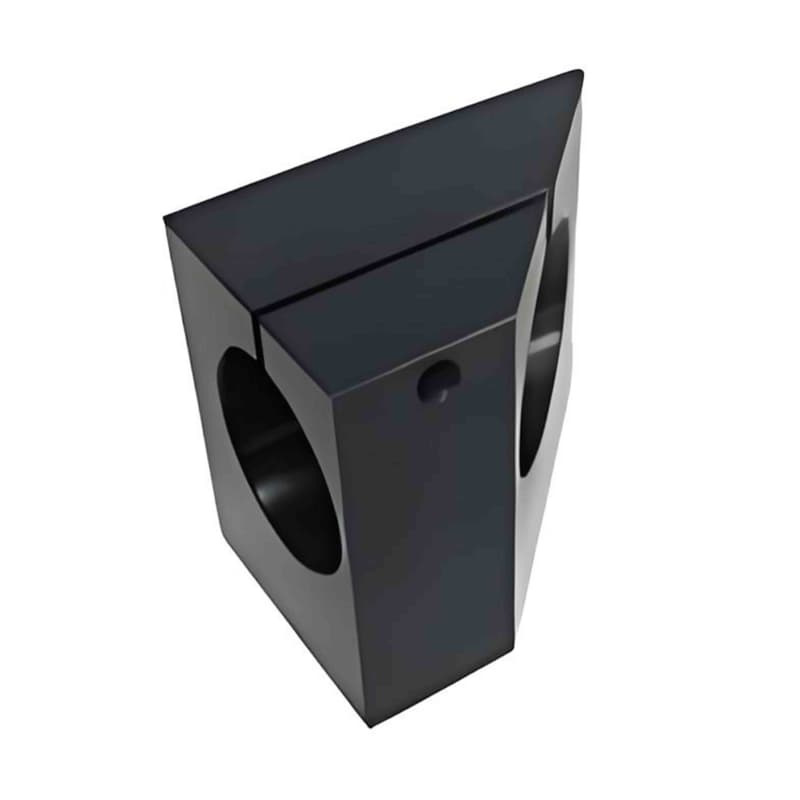
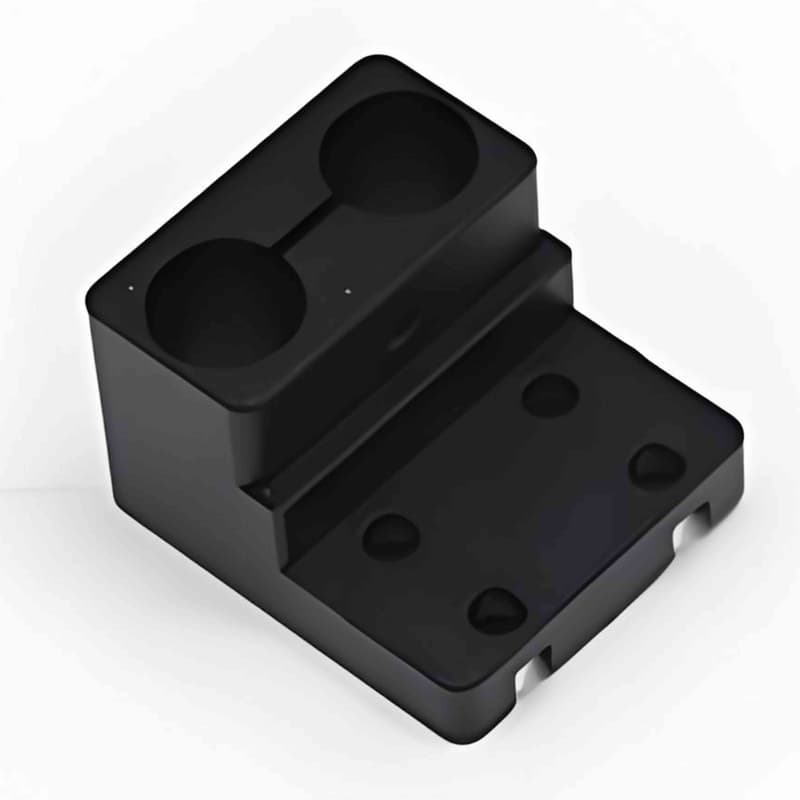
We apply high-speed machining center milling for POM special-shaped brackets, thin-plate sliders, grooved structural parts and multi-hole positioning plates. Aiming at the brittleness characteristics of POM, we abandon heavy cutting process and adopt layered micro-cutting and symmetrical tool path layout to disperse cutting force and prevent edge collapse and corner cracking. For thin-walled and large-area flat parts, we use vacuum adsorption flexible clamping to avoid extrusion indentation and bending deformation. All milled surfaces have uniform texture, no tool marks, no melting burrs, fully meeting the high-finish appearance and precision assembly standards of exported automation parts.
2.3 Drilling and Tapping for POM Precision Holes
POM hole processing is prone to orifice chipping, inner wall roughness and thread tooth cracking. For assembly through holes, counterbore holes and positioning pin holes, we adopt graded pre-drilling + low-speed finishing drilling process to ensure smooth hole wall and complete orifice edge. For M2–M18 metric and imperial threads, we use special plastic taps with ultra-low torque and uniform feed parameters to prevent thread cracking and tooth collapse caused by material brittleness. All threaded holes and positioning holes pass go/no-go gauge inspection to ensure precise assembly and interchangeability for overseas batch installation.
2.4 Finishing and Stress Relief Post-Processing
All finished POM parts undergo manual fine deburring and edge rounding to remove tiny sharp edges and residual burrs without damaging the precision size. For high-precision parts used for long-term high-frequency operation, we implement aging stress relief treatment to eliminate residual cutting stress, effectively preventing later cracking and dimensional drift. No surface deformation or size change will occur during long-distance sea transportation and overseas warehouse storage, ensuring stable service performance of exported precision parts.
3. Authentic Overseas POM Machining Cooperation Cases
Case 1: Batch Processing of POM Wear-Resistant Sliders for European Automation Assembly Lines
A German automation equipment trader purchased large batches of POM precision sliders and guide limit blocks, used for low-noise and wear-resistant transmission of packaging assembly lines. The core requirements include smooth surface without burrs, complete edge contour, stable dimensional tolerance, low friction and no jitter during long-term reciprocating operation. The client’s previous supplier had frequent quality problems such as edge chipping, surface melting marks and short service life caused by improper cutting heat control.
We formulated exclusive low-temperature and low-impact processing parameters for POM brittle material: high-speed layered light cutting was adopted to completely avoid thermal melting and edge collapse; flexible vacuum clamping ensured no deformation of thin plate parts. All finished products were inspected for appearance, flatness and dimensional accuracy one by one. The delivered sliders feature smooth sliding, low noise and stable wear resistance after long-term operation. The client’s equipment failure rate was significantly reduced, and we have become their long-term fixed POM precision parts supplier.
Case 2: Custom POM Valve Core & Sealing Spacer Parts for Southeast Asian Fluid Equipment
A Singapore fluid equipment manufacturer customized multi-specification small-batch POM valve core accessories and sealing gaskets, applied in miniature fluid control equipment. The parts require high dimensional accuracy, stable flatness, no deformation, good self-lubrication and tight sealing performance. Due to poor process control by ordinary manufacturers, conventional POM valve parts are prone to edge cracking and dimensional deviation, leading to fluid leakage.
Aiming at the high precision and sealing requirements of fluid parts, we optimized the whole machining flow: strictly controlled single cutting depth to eliminate cutting stress; adopted secondary fine finishing to ensure flatness and smoothness of sealing surface; all hole positions and assembly dimensions were fully inspected. The final delivered POM parts feature accurate tolerance, complete edge structure and excellent sealing stability. No leakage or abrasion failure occurred during long-term equipment operation, fully meeting Southeast Asian fluid equipment export standards.
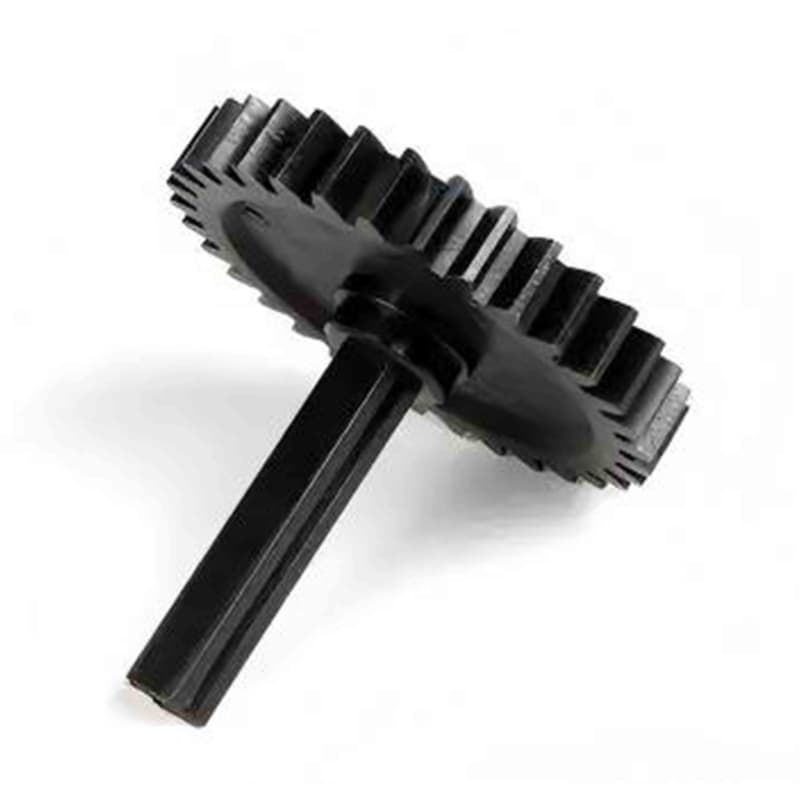
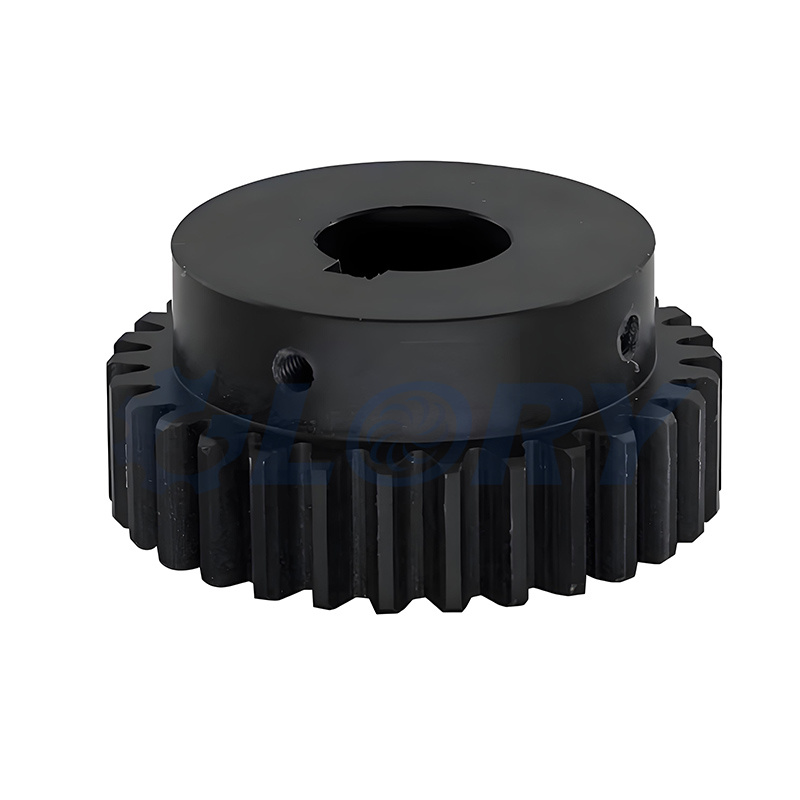
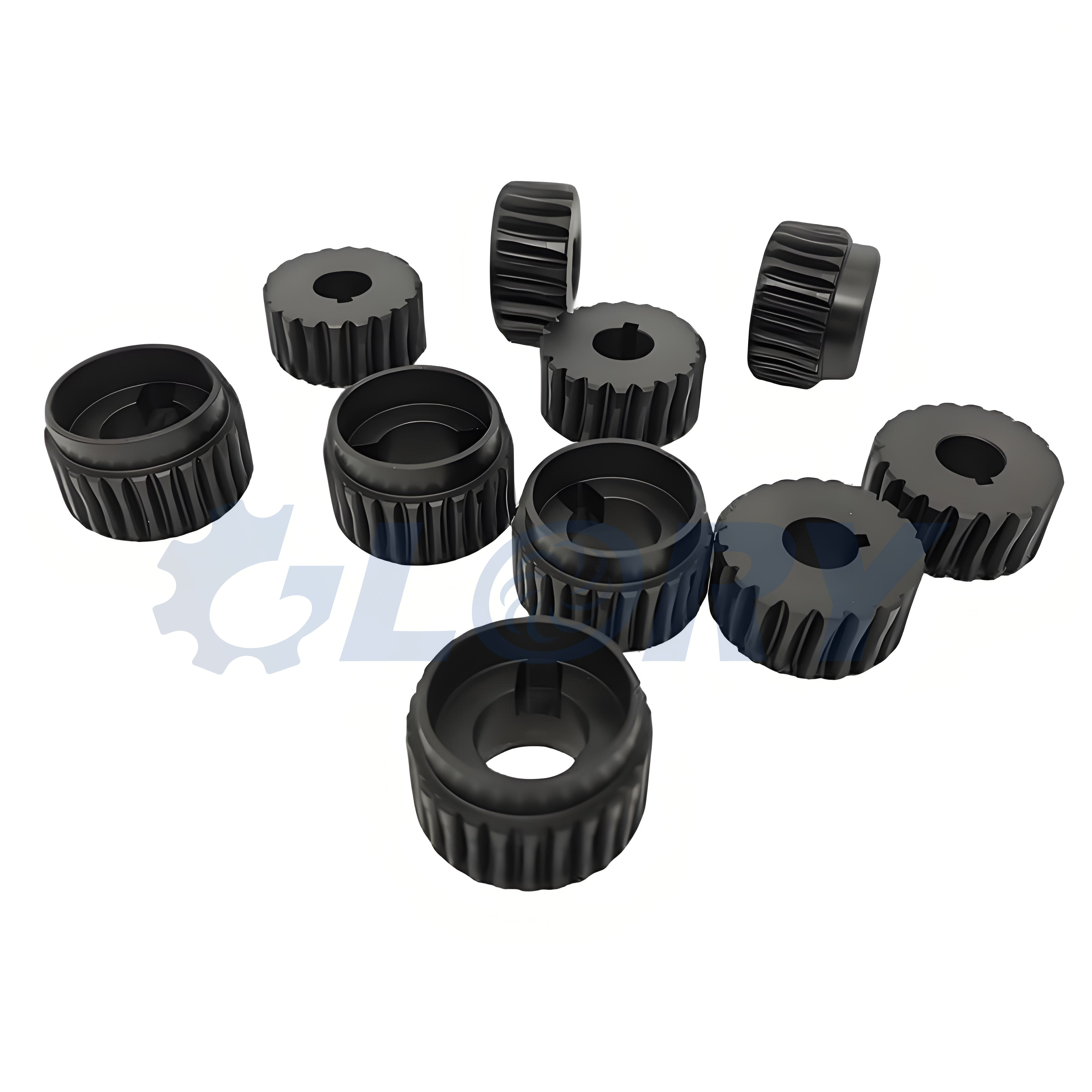
4. Our Export Machining Advantages for POM Parts
We specialize in high-precision machining of POM acetal engineering plastic, supporting drawing customization, small-batch trial production and large-scale mass production. We have mature control experience for POM core pain points such as brittleness, easy chipping and thermal melting. All products comply with international ISO, DIN and ANSI precision standards. We can provide complete dimensional inspection reports and quality certification documents to support overseas customer review and customs clearance. Adopting professional shockproof, compression-proof and anti-scratch export packaging, we ensure no cracking or surface damage during sea transportation. Relying on stable batch consistency and high-finish processing capability, we provide global clients with reliable one-stop precision machining solutions for POM wear-resistant plastic parts.
 We provide custom machined parts, 5-axis linkage CNC machining, and the design, production, and assembly of machinery and equipment.