
SUS304 stainless steel is the most widely used austenitic stainless steel in global mechanical foreign trade, with multiple equivalent material standards across different regions, making it a universal corrosion-resistant metal for international procurement. In Japan it is designated SUS304; ASTM standard is 304 / UNS S30400; European EN standard is X5CrNi18-10; GB Chinese standard is 06Cr19Ni10. Though these codes differ by region, they share identical chemical composition, corrosion resistance and mechanical properties, yet slight tolerance and surface finish requirements vary under ISO, DIN, ANSI, JIS manufacturing specifications.
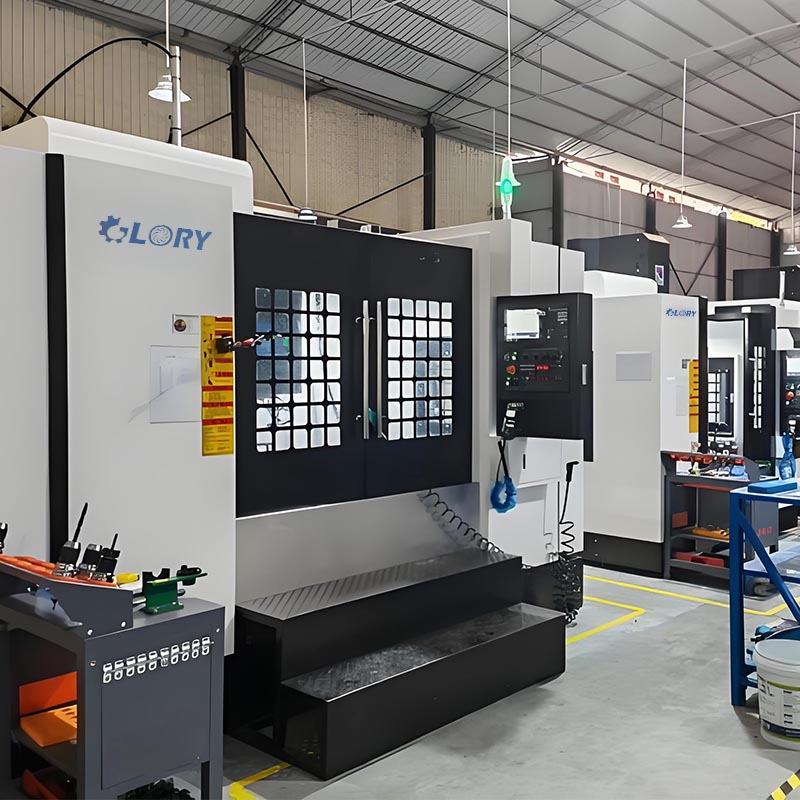
SUS304 features outstanding rust resistance, oxidation resistance, moderate tensile strength, excellent ductility and non-magnetic properties, suitable for wet, weakly acidic, food-grade and normal atmospheric working environments. It covers massive export component categories ranging from small precision fittings to large structural frames. However, SUS304 has inherent machining drawbacks: severe work hardening, high cutting heat, strong tool adhesion and tough continuous chips. Improper cutting parameters easily trigger surface tearing, heavy burrs, dimensional drift and batch inconsistency. As a foreign trade precision machining factory familiar with multi-standard SUS304 drawing requirements, we tailor matched cutting processes for different regional standard orders, covering full categories of SUS304 machined parts and solving all typical SUS304 processing defects for global buyers.
1. Global Standard Equivalents & Full Spectrum of SUS304 Machined Components
1.1 Cross-Regional Standard Codes for SUS304
- Japanese Standard: SUS304 (JIS G4303)
- American Standard: 304 / UNS S30400 (ASTM A240, A479)
- European EN Standard: X5CrNi18-10 (1.4301)
- Chinese National Standard: 06Cr19Ni10 All these grades are interchangeable for mechanical matching, but overseas clients from different countries submit drawings following their local standards, with unique demands on surface roughness, thread tolerance and passivation quality. Our production line supports simultaneous compliance with JIS, ASTM, EN and GB standards for one-stop batch delivery.
1.2 All Types of SUS304 Parts We Custom-Machined for Export
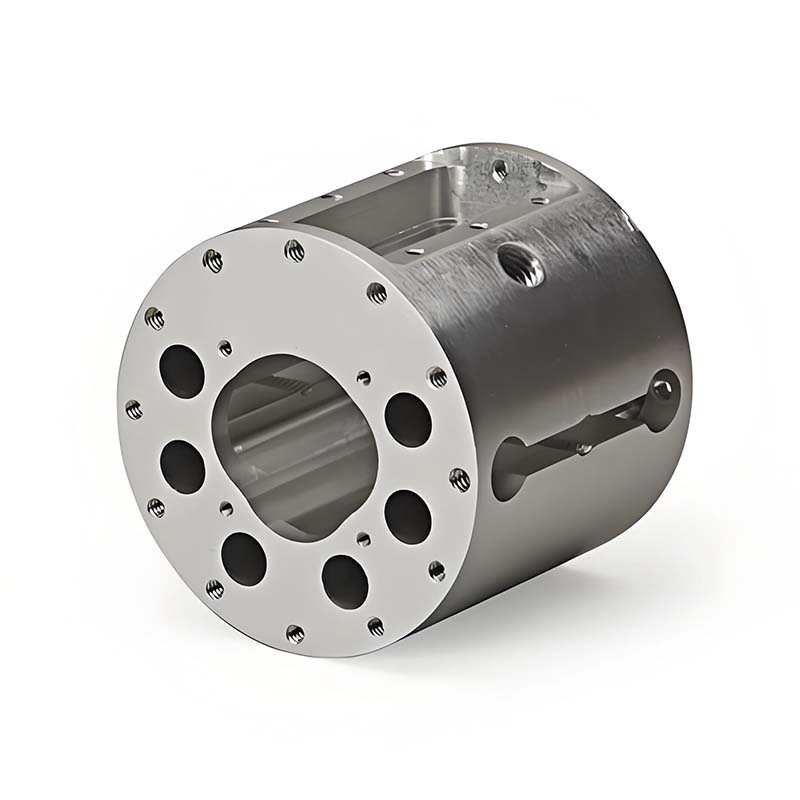
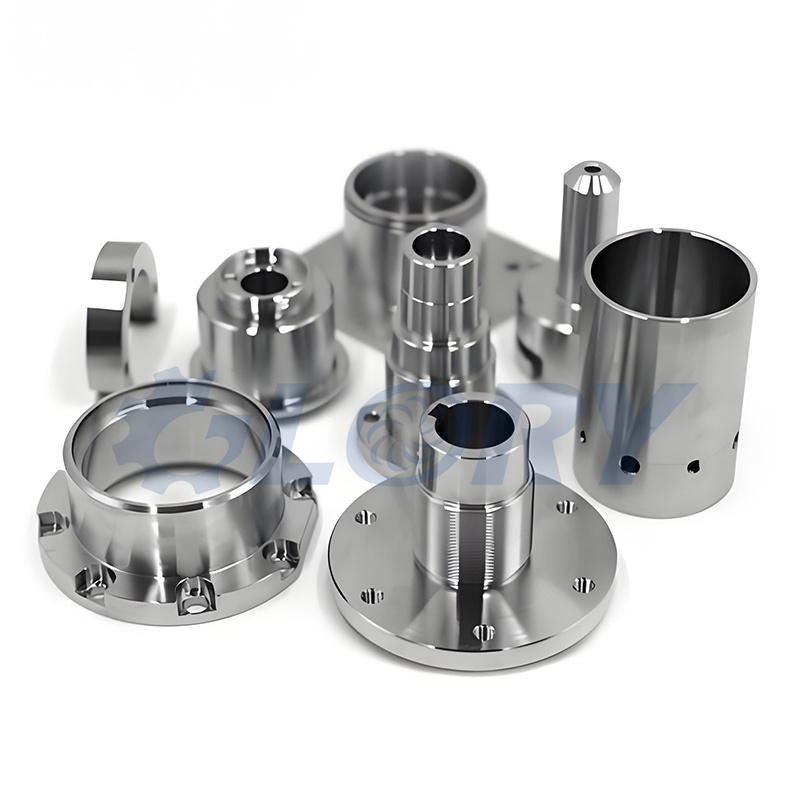
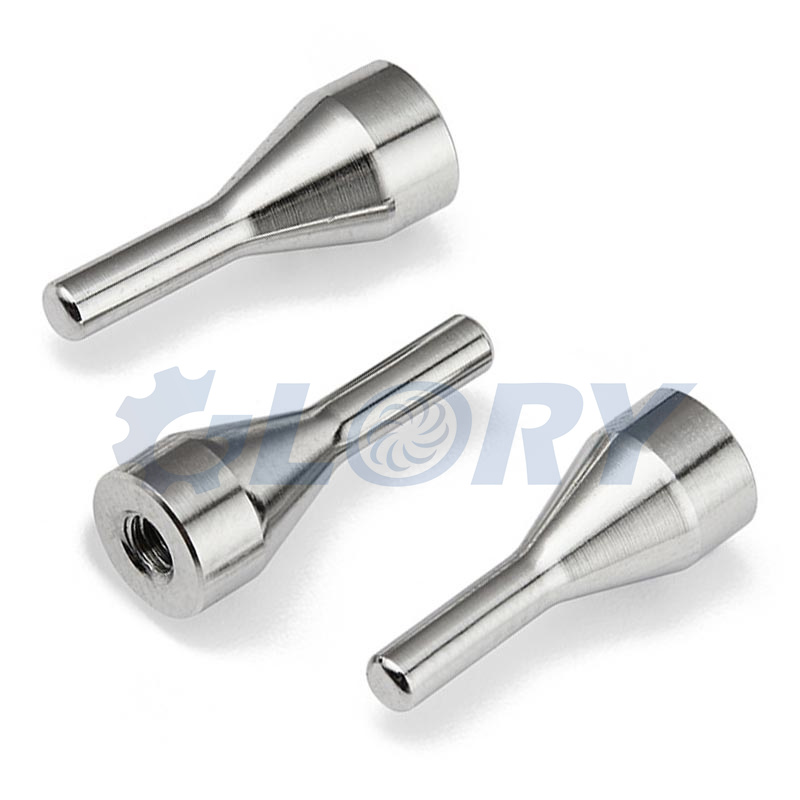
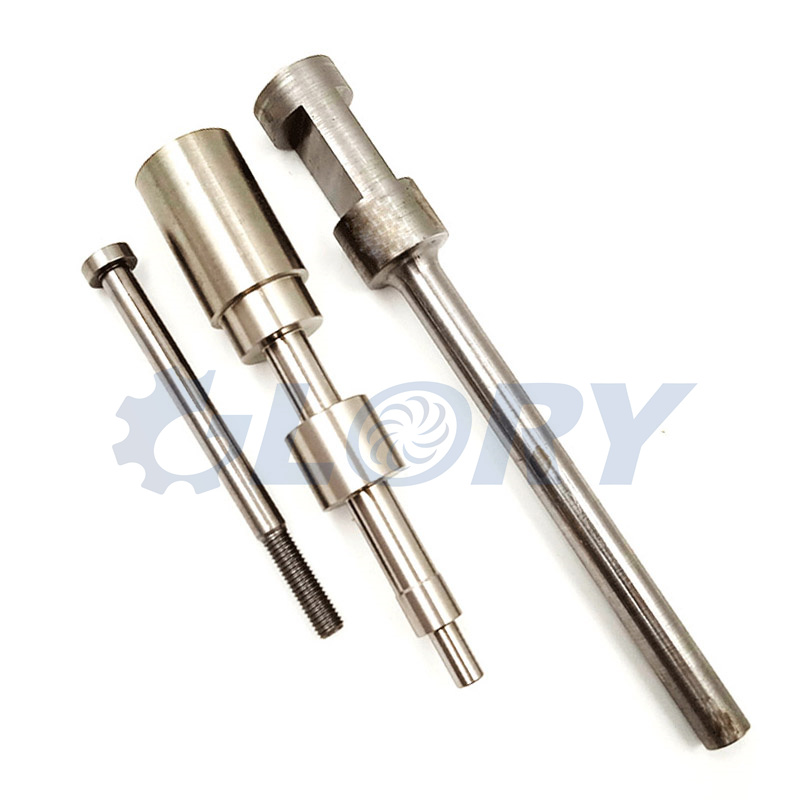
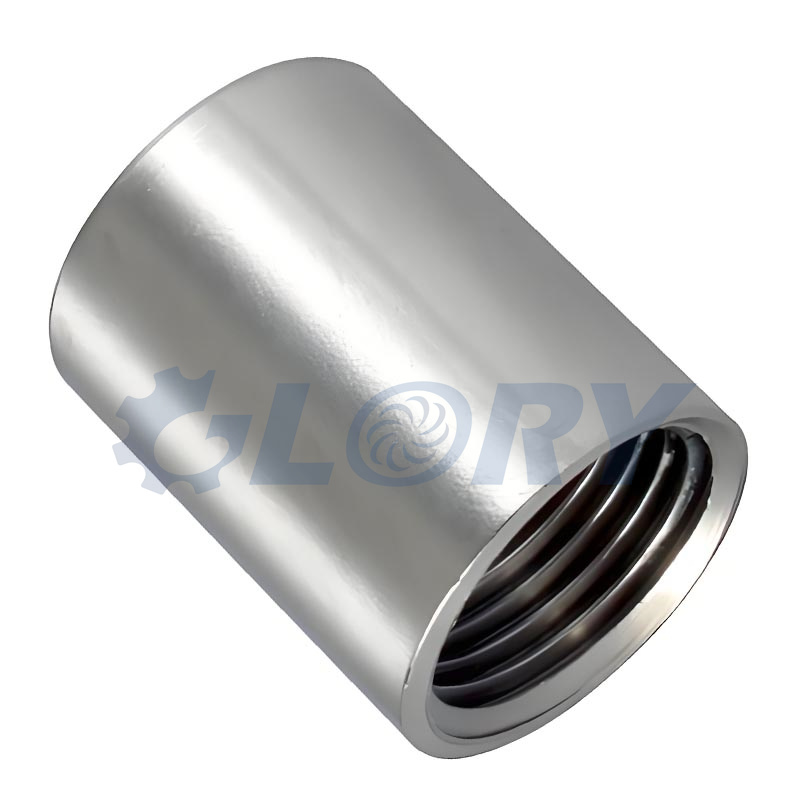
- Rotary shaft-type parts: positioning pins, stepped shafts, hollow sleeves, flange joints, roller mandrels, threaded pipe nipples
- Plate & frame structural parts: equipment base plates, mounting brackets, cabinet support frames, conveyor clamping blocks, multi-hole positioning templates
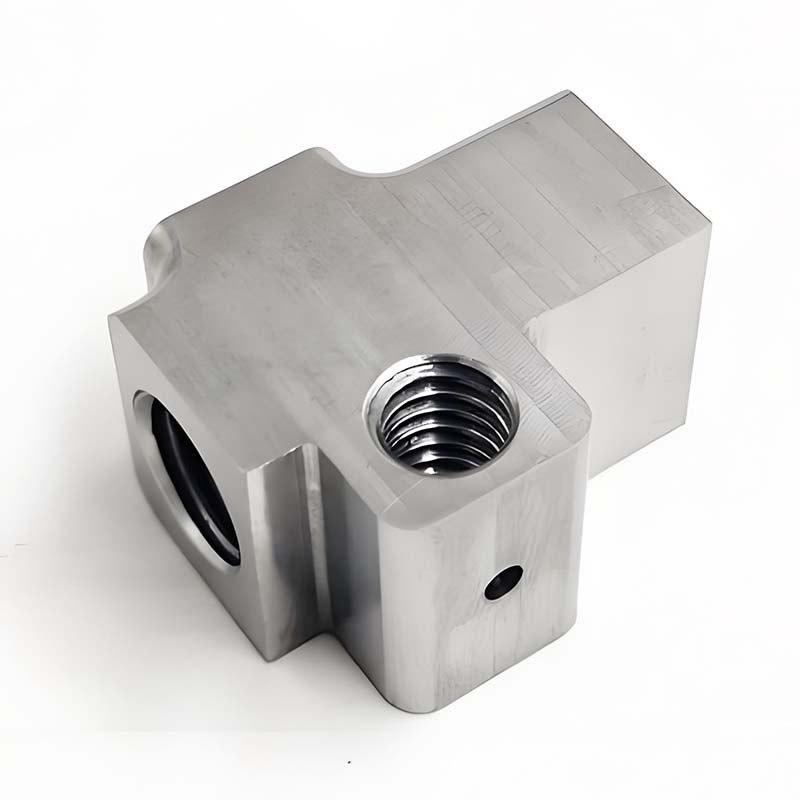
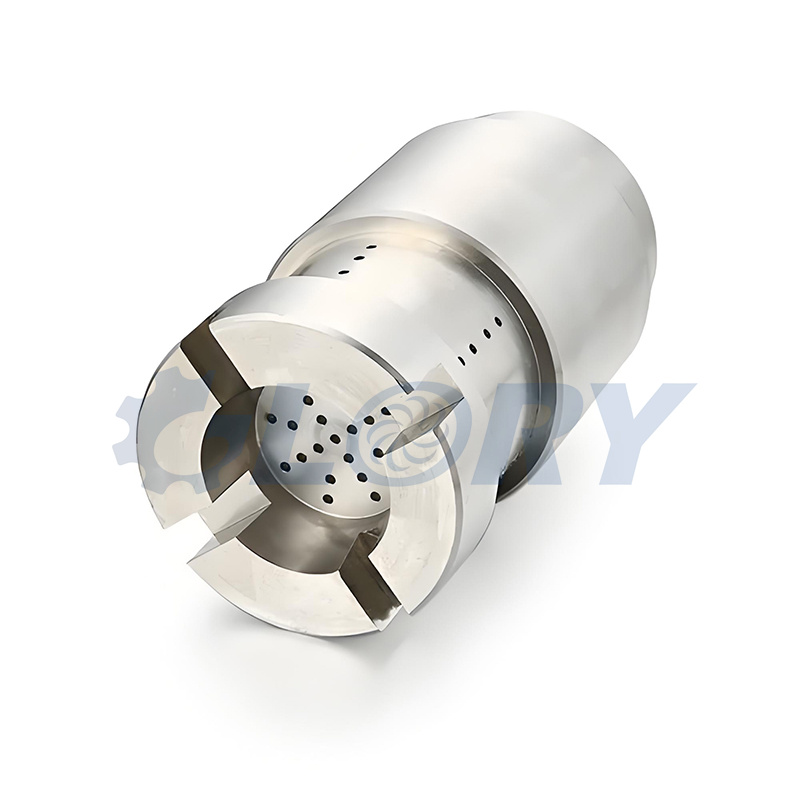
- Fluid pipeline & valve parts: small valve bodies, pipe tees, reducing joints, sealing flanges, flow restrictors, filter holders
- Fastener & threaded parts: custom bolts, threaded studs, lock nuts, threaded inserts, tapped connecting blocks
- Food & medical precision parts: hygienic clamps, instrument shells, sterile positioning fixtures, liquid storage connecting blocks
- Thin-wall decorative & protective parts: equipment cover plates, anti-corrosion shielding shells, thin-walled sealing rings
We process raw SUS304 round bars, flat bars, seamless tubes, cold-rolled sheets, hot-rolled plates and forgings, delivering finished parts fully compliant with each client’s local industrial standards.
2. Complete Machining Workflow for SUS304 Parts
2.1 CNC Turning for Rotary SUS304 Components
For all shaft, sleeve and flange SUS304 parts, we adopt coated carbide tools with abundant water-soluble cutting fluid to suppress work hardening and built-up edges. For JIS SUS304 orders requiring ultra-smooth sealing surfaces, we add fine finishing passes to lower Ra value below 0.8μm. For EN X5CrNi18-10 thin-wall tubular parts, low clamping pressure and multi-step turning eliminate deformation. Tolerance range can reach ±0.015mm for precision matching parts, fully meeting strict assembly standards of European, Japanese and American automation equipment.
2.2 CNC Milling for Structural SUS304 Frames & Multi-Hole Plates
Large base plates, irregular brackets and multi-hole fixture plates rely on high-rigidity vertical machining centers. SUS304 milling generates massive cutting heat, so we adopt layered shallow cutting and continuous flood cooling to avoid thermal deformation. For food-grade SUS304 parts required by European clients, all inner corners adopt rounded transition to eliminate sanitary dead corners. Custom vacuum fixtures are used for thin SUS304 sheets to prevent clamping indentation, ensuring consistent flatness across bulk batches.
2.3 Drilling, Reaming & Tapping for Threaded & Positioning Holes
SUS304 tapping is the highest failure-risk process due to work hardening. We use dedicated stainless steel taps with reduced rotational speed for M2 to M24 metric and imperial threads. For Japanese JIS standard SUS304 parts, thread tolerance follows JIS B0205; for US ASTM orders, threads comply with ANSI/ASME standards. All holes are processed via pilot pre-drilling + precision reaming to guarantee smooth hole walls. Every threaded hole passes go/no-go gauge inspection to avoid assembly slippage for overseas automated production lines.
2.4 Deburring, Grinding & Standardized Post-Treatments by Regional Standard
Different markets have distinct post-processing requirements for SUS304:
- European EN clients: mandatory pickling & passivation to extend salt spray resistance above 500 hours
- Japanese JIS clients: fine manual deburring and mirror polishing for appearance parts
- American ASTM industrial clients: uniform matte blasting + anti-rust oil coating for outdoor equipment All sharp edges are fully rounded to eliminate safety hazards. Stress relief treatment is available for thick SUS304 structural plates to stop long-term storage deformation during sea transportation.
3. Core Processing Pain Points of SUS304 & Targeted Solutions
- Work hardening after cutting: Use coated cutting tools and sufficient cooling liquid to reduce surface hardening layer
- Tool adhesion & surface scratch: Optimize low-speed moderate feed cutting parameters, replace worn tools regularly
- Thin-wall part bending deformation: Flexible low-pressure fixture + segmented rough & finish machining
- Inconsistent standard execution for cross-border orders: Separate production marking for JIS/ASTM/EN drawings, independent inspection benchmarks for each standard
- Insufficient corrosion resistance after machining: Custom passivation, blasting or polishing according to client regional standard requirements
4. Two Independent Overseas SUS304 Machining Cases
Case 1: Batch SUS304 (JIS Standard) Pipeline Fittings for Japanese Water Treatment Equipment Trader
This Japanese client orders large batches of SUS304 JIS G4303 pipe flanges and reducing joints for domestic water purification systems. Local JIS standards demand smooth inner flow channels, no residual burrs and stable salt spray performance over 720 hours. Their previous supplier failed at passivation consistency, leading to minor rust during long-term coastal storage.
We formulated JIS-specified processing flow: segmented deep boring for inner flow surfaces, low-speed anti-hardening turning for sealing faces, and full immersion passivation after all machining. All finished flanges undergo 100% concentricity and leakage testing. The whole batch achieved zero assembly leakage, and the client has placed quarterly repeat orders for over 3 years.
Case 2: Custom X5CrNi18-10 (EN 1.4301) Food-Grade SUS304 Brackets for German Packaging Machinery Manufacturer
The German manufacturer customized multi-spec thin-wall SUS304 mounting brackets, marked as EN 1.4301 on drawings, applied to food filling production lines. Strict EU food contact standards require no sharp corners, smooth surface without metal debris, and stable corrosion resistance under frequent water washing. Carbon steel and inferior stainless steel cannot meet hygiene standards.
We split roughing and finishing to disperse cutting stress, adopted full fillet transition for all inner angles, and added pickling passivation post-process as required by EN regulations. Each bracket is fully inspected for surface smoothness and dimensional tolerance. Installed on filling lines, the parts resist long-term humid washing without rust, cutting the client’s component replacement cost by 32%.

5. Export Service Advantages for Multi-Standard SUS304 Machining
We specialize in cross-standard SUS304 precision machining, supporting drawings in JIS, ASTM, EN, GB specifications, covering small trial lots and mass bulk production. We can supply full material test certificates (3.1 MTR), dimensional inspection reports, salt spray test records and surface finish test documents to satisfy overseas factory audit and customs clearance. Custom export packaging includes anti-rust paper, shockproof foam and moisture-proof cartons to prevent scratch and rust during long ocean transit.
With mature experience handling SUS304 orders from different regional standards, we effectively resolve common issues including work hardening deformation, inconsistent surface quality and mismatched standard execution, providing global industrial buyers with stable, multi-standard compliant SUS304 one-stop machining solutions.
 We provide custom machined parts, 5-axis linkage CNC machining, and the design, production, and assembly of machinery and equipment.