
1020 pure aluminum alloy is a commonly used commercial-grade pure aluminum material for foreign trade mechanical parts, electrical accessories, heat dissipation components and general industrial fittings. Featuring excellent ductility, superior thermal conductivity, outstanding corrosion resistance, good formability and easy welding performance, 1020 aluminum is widely exported to Europe, Southeast Asia, the Middle East and other global markets for non-load-bearing structural parts, conductive parts, heat sink parts and corrosion-resistant accessories. Compared with heat-treated structural aluminum such as 6061 and 7075, 1020 aluminum is softer and more malleable, bringing unique machining characteristics. Its low hardness makes it prone to tool adhesion, burr tearing, edge deformation and surface scratching during high-speed cutting, which easily causes poor surface quality and inconsistent batch dimensions. As a professional foreign trade precision machining manufacturer, we have formed mature and standardized processing parameters for 1020 pure aluminum, effectively solving common processing defects and stably supplying high-quality, high-finish aluminum parts for overseas clients.
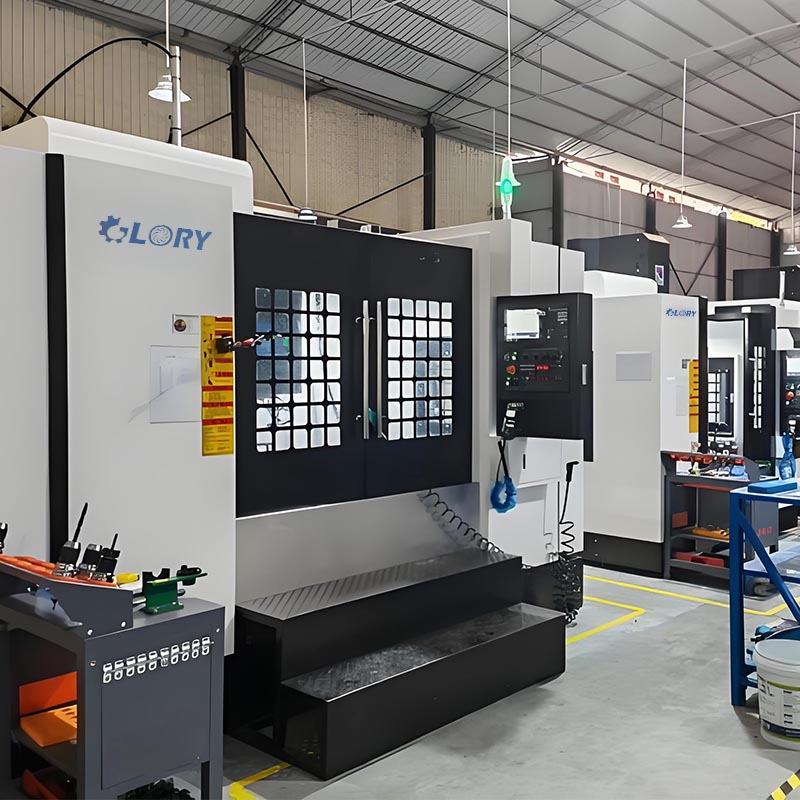
1. Core Machining Processes for 1020 Aluminum Alloy
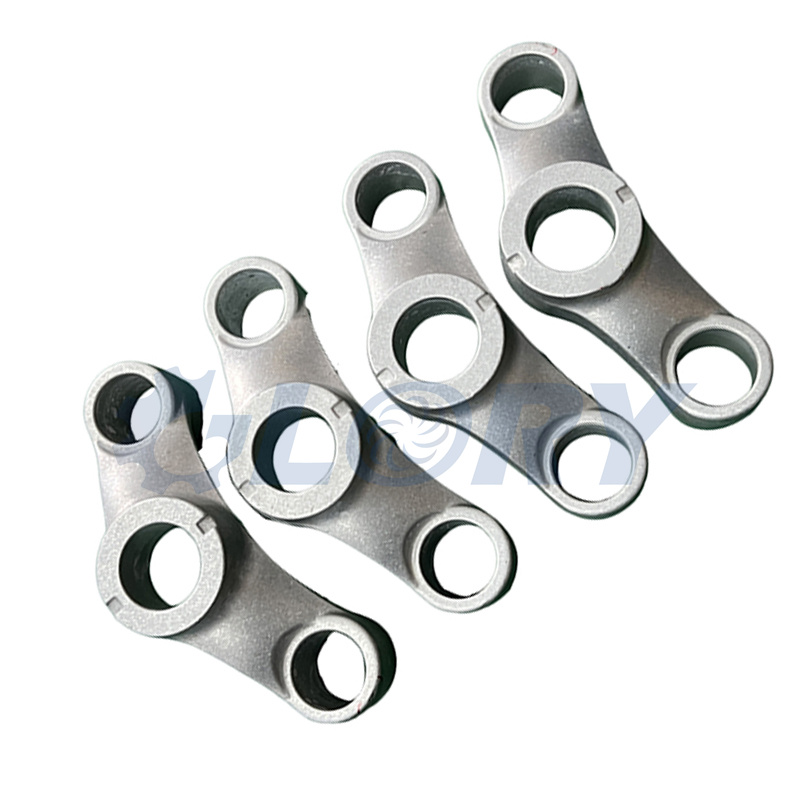
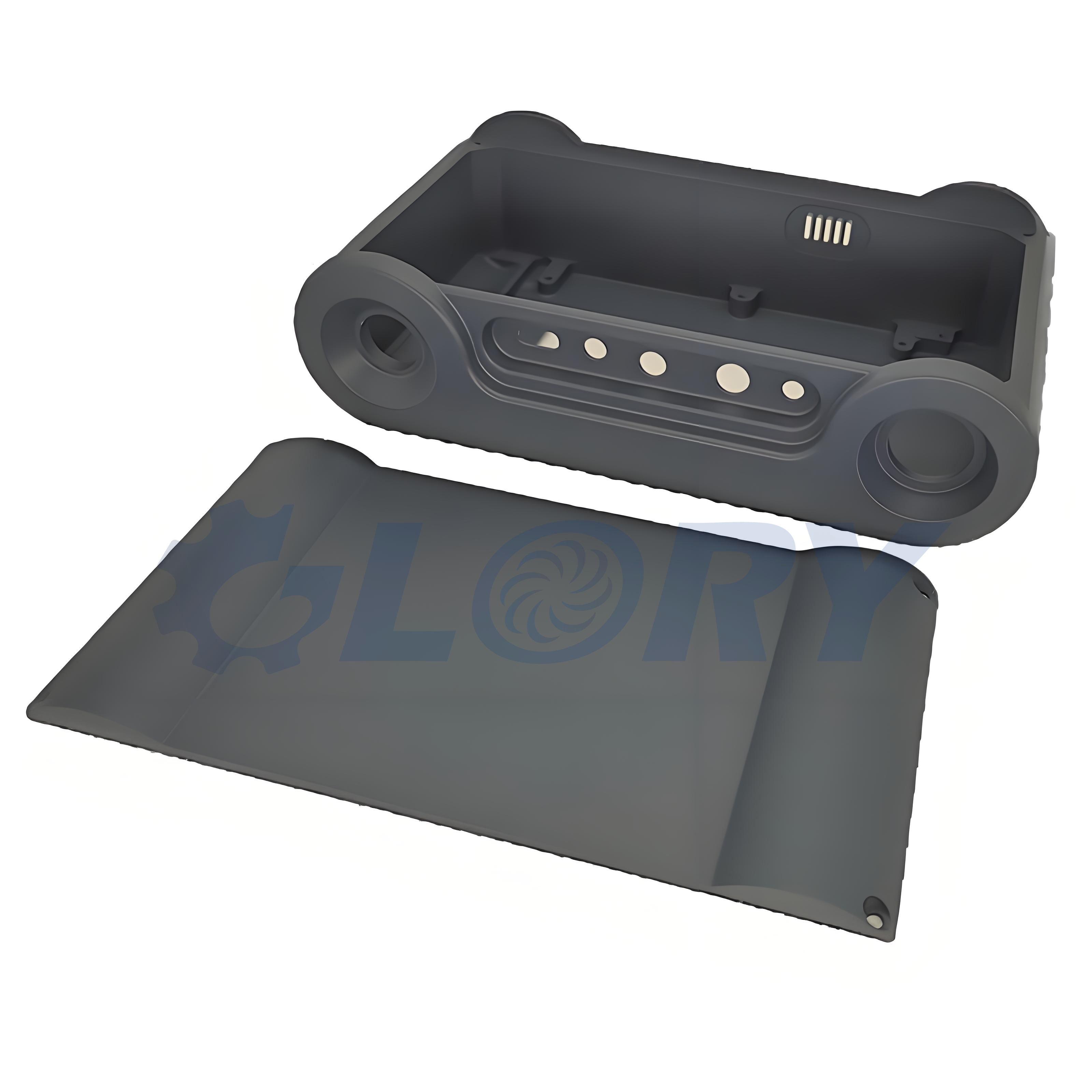
We provide full-process precision deep machining for 1020 aluminum plates, rods, sheets and profiles, covering CNC turning, high-speed milling, precision drilling, reaming, tapping, grooving, cutting, bending forming, welding processing, mirror finishing and standardized deburring. We customize various non-standard pure aluminum heat sinks, conductive connecting parts, corrosion-resistant protective plates, equipment decorative covers, thin-sheet structural parts and general mechanical accessories according to customer drawings and samples. All machining processes strictly comply with ISO, DIN and ANSI international tolerance standards to meet overseas assembly, electrical conductivity and anti-corrosion usage requirements.
1.1 Precision CNC Turning
CNC turning is mainly used for 1020 aluminum rotary parts such as conductive sleeves, thin-wall ferrules, heat dissipation shaft parts and circular positioning accessories. 1020 pure aluminum has extremely low hardness and good toughness, which easily causes built-up edges, sticky tool chips and irregular burrs during conventional turning, resulting in rough surface and dimensional deviation. We adopt special high-gloss aluminum cutting tools, matched with high-speed light-cutting and sufficient cooling lubrication technology to ensure smooth chip removal and clean cutting surfaces. Conventional part tolerance is stably controlled within ±0.02mm, and precision matching parts can reach ±0.01mm. For ultra-thin-wall aluminum sleeves and slender shaft parts, we optimize segmented turning and multi-pass finishing to eliminate cutting vibration and wall collapse, ensuring consistent dimensional accuracy of batch products.
1.2 High-Speed Milling & Special-Shaped Machining
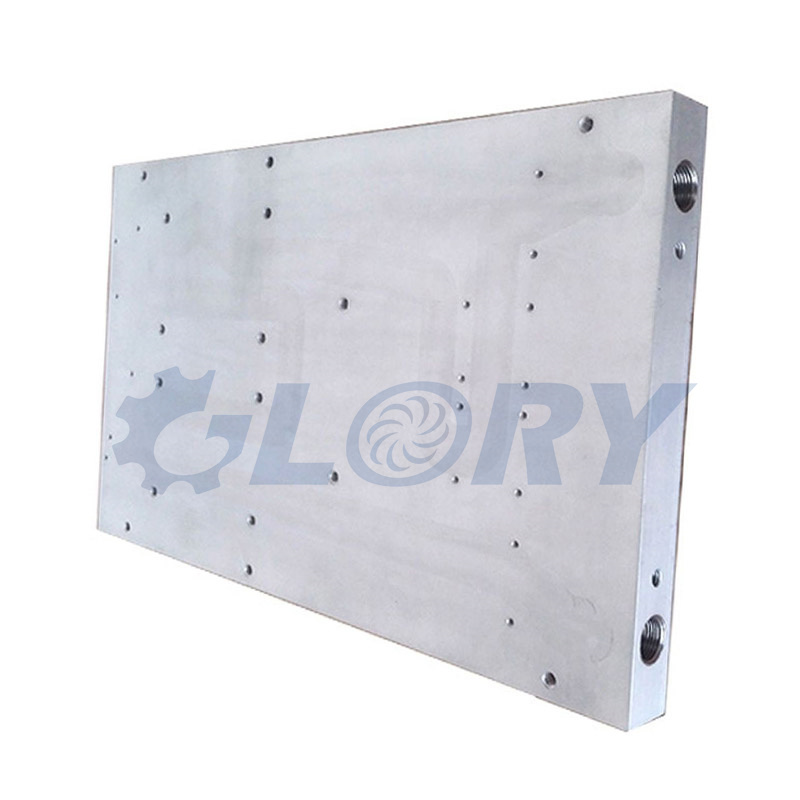
CNC high-speed machining centers are applied for processing 1020 aluminum thin plates, heat dissipation panels, equipment cover plates, special-shaped protective brackets and flat structural parts. The biggest machining difficulty of 1020 aluminum lies in surface tearing and edge deformation. Thin plates are prone to indentation and bending deformation under conventional clamping force, and high-speed milling may cause edge warping and burr adhesion. We adopt vacuum adsorption clamping to avoid rigid extrusion deformation, combined with layered small-feed milling process to disperse cutting force and reduce thermal deformation. Strict flatness and parallelity control is implemented for large-area thin aluminum plates to ensure smooth and flat surface without tool marks, completely meeting the high-finish appearance standards of exported equipment parts.
1.3 Drilling and Precision Tapping
1020 pure aluminum is soft and ductile, making conventional drilling prone to hole wall scratching, aperture expansion and orifice burr tearing; tapping is easy to cause thread extrusion deformation, tooth sliding and incomplete thread profiles. For precision mounting holes, conductive pin holes and through holes, we adopt pilot hole pre-drilling and low-speed finishing drilling to ensure accurate aperture and smooth hole wall. For M3–M18 metric and imperial threads, we use special pure aluminum taps with low-torque uniform-feed parameters to avoid thread squeezing and damage. All threaded holes and positioning holes pass go/no-go gauge inspection to ensure precise assembly and good interchangeability for overseas batch installation.
1.4 Surface Finishing and Standard Post-Processing
Surface finish is the core advantage of qualified 1020 aluminum parts. All finished workpieces undergo fine deburring, edge rounding and manual finishing to remove residual sticky burrs and sharp edges, meeting international mechanical safety and appearance standards. We support customized surface treatments including high-precision sandblasting, bright polishing, chemical oxidation and conductive oxidation. The processed parts feature uniform surface texture, strong oxidation resistance and stable conductive performance, which can effectively avoid oxidation and corrosion during overseas long-term storage and sea transportation, adapting to electrical equipment and outdoor corrosion-resistant working conditions.
2. Common 1020 Aluminum Machining Difficulties and Solutions
Based on years of foreign trade order production experience, the main processing pain points of 1020 pure aluminum concentrate on tool adhesion & surface tearing, thin plate bending deformation, serious burr residue and unstable aperture accuracy. We have formed complete standardized solutions: First, exclusive high-sharp aluminum tools are used throughout the process with regular tool calibration to eliminate built-up edges and surface scratches. Second, vacuum flexible clamping and stress-balanced cutting are adopted for thin plates to solve extrusion deformation and edge warping fundamentally. Third, low-speed finishing and professional manual trimming are matched to thoroughly clean residual burrs without damaging workpiece precision. Fourth, strict first-piece inspection, in-process sampling and full finished product inspection are implemented for all batch orders to ensure unified size, tolerance and appearance of exported parts.
3. Practical Foreign Trade Machining Cases
Case 1: Batch Processing of 1020 Aluminum Heat Dissipation Panels for Southeast Asian Electrical Equipment
The client is a Malaysian electrical equipment manufacturer, purchasing large batches of 1020 pure aluminum thin-plate heat dissipation panels for power distribution equipment. The core requirements include flat and smooth surface, no scratches or burrs, stable thermal conductivity, good flatness and no bending deformation after long-term operation and humid environment use. The client’s previous supplier had frequent quality problems such as surface tool marks, edge burr residue and slight plate warpage, affecting equipment heat dissipation efficiency and assembly appearance.
Targeting the soft texture and high thermal conductivity characteristics of 1020 aluminum, we adopted vacuum adsorption clamping + high-speed layered milling process to ensure uniform plate stress and flat surface without tool marks. Low-temperature sufficient lubrication cutting avoids surface tearing and sticky chips. All finished panels undergo secondary fine finishing and flatness calibration. The entire batch of products features excellent flatness, smooth surface and no residual burrs, with 100% qualified assembly rate. After delivery, the client verified stable heat dissipation performance and good anti-corrosion effect in humid working environment. We have become their long-term fixed supplier for 1020 aluminum heat dissipation parts.
Case 2: Custom Machining of 1020 Conductive Aluminum Accessories for European Industrial Automation Equipment
The client is an industrial automation trading company in Poland, customizing small-batch and multi-specification 1020 aluminum conductive sleeves, connecting sheets and positioning conductive parts. The products require precise aperture and thread tolerance, smooth surface, no burr protrusions, stable conductive performance and no deformation after long-term electrical cycle operation. Due to the soft material nature, such conductive parts are extremely easy to have thread deformation and surface burrs in conventional processing, affecting electrical contact accuracy.
Aiming at the precision and conductivity requirements of conductive parts, we optimized the entire processing flow: adopting low-torque precision tapping technology to ensure complete and tight thread teeth; using high-gloss finishing to remove all surface flaws; conducting strict aperture and flatness calibration one by one after processing. All products pass conductive performance test and dimensional gauge inspection. The delivered conductive parts feature accurate matching, stable contact and no heating abnormality during equipment operation, fully meeting European industrial automation equipment standards. The client highly recognizes our stable batch quality and maintains long-term cooperative orders.
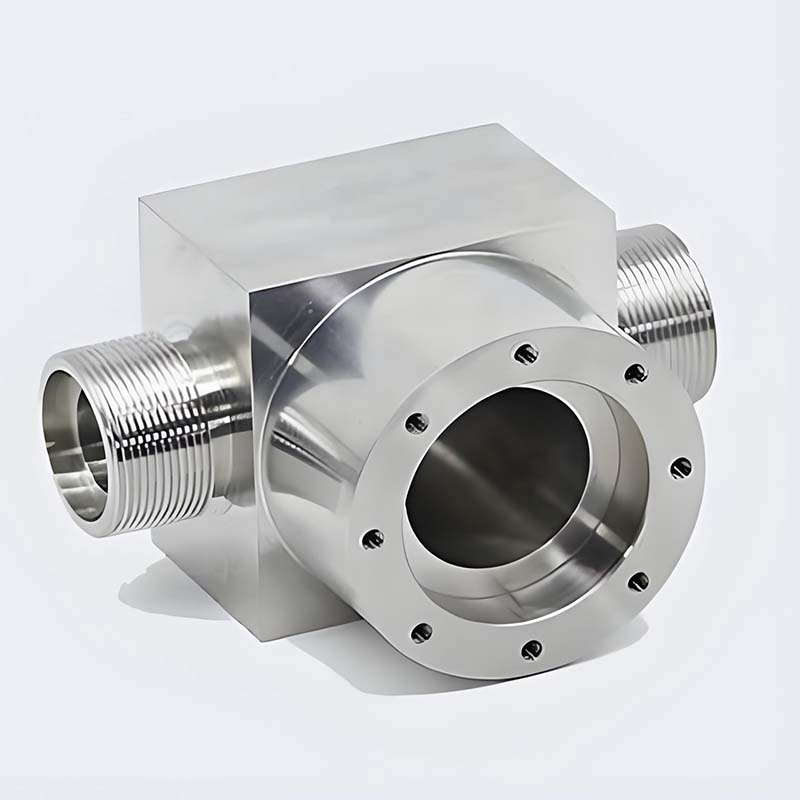
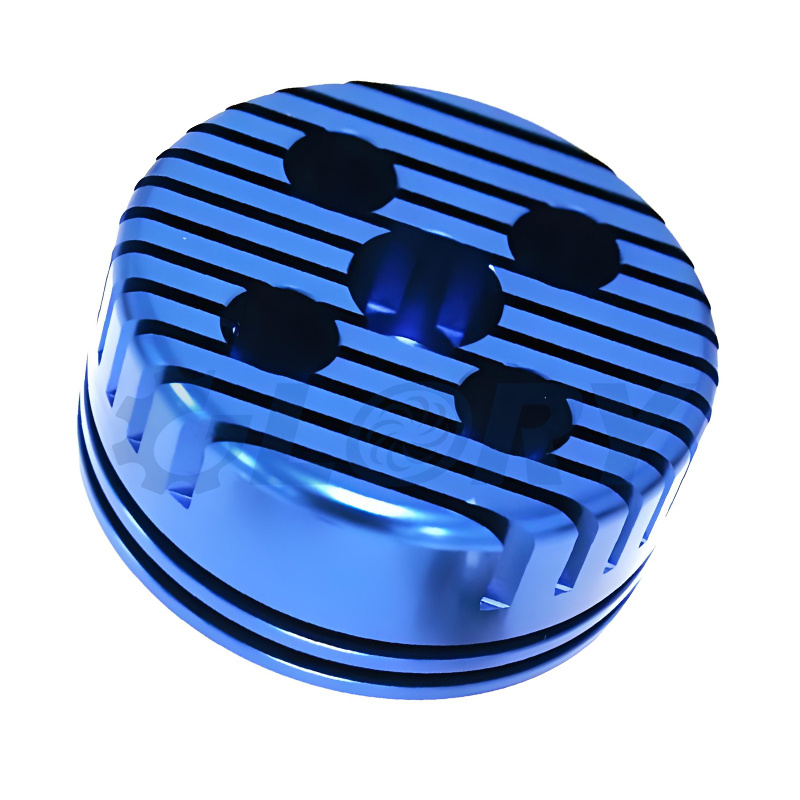
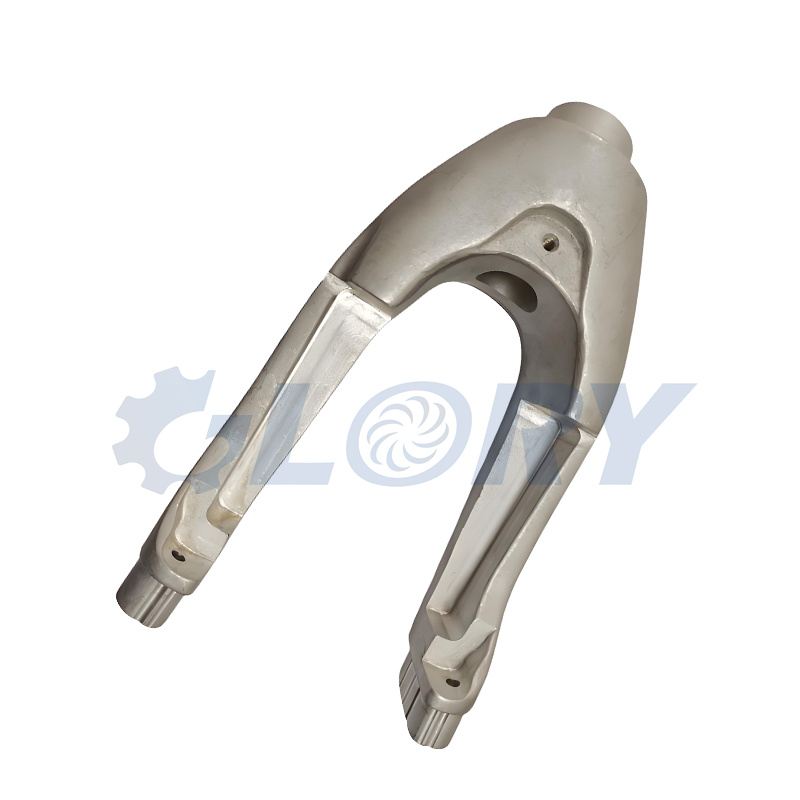
4. Foreign Trade Machining and Delivery Advantages
We specialize in export-oriented precision machining of 1020 pure aluminum alloy, supporting drawing and sample customization, small-batch trial production and large-scale mass production. All processing standards comply with international industrial manufacturing and electrical equipment supporting specifications. We can provide complete dimensional inspection reports, surface quality certificates and material test reports to support overseas customer review and customs clearance. We adopt professional export packaging with moisture-proof, anti-scratch and anti-deformation protection to avoid surface damage and plate bending during long-distance sea transportation. Relying on mature pure aluminum processing technology, excellent surface finishing capability and stable batch consistency, we effectively solve the common pain points of 1020 aluminum parts such as easy scratching, burr residue and deformation, providing global clients with high-cost-performance and high-stability one-stop precision machining services.
 We provide custom machined parts, 5-axis linkage CNC machining, and the design, production, and assembly of machinery and equipment.