
This practical procurement guide covers two of the most widely exported Japanese mold steel grades: SKD11 cold work steel and SKD61 hot work steel. It includes global equivalent standards, typical machined components, material selection differences, core machining difficulties, quality control rules and real foreign trade cases. The structure and style are fully unified with aluminum, titanium and PC procurement guides for complete batch document management.
1. Global Equivalent Grades & Standard Comparison
SKD11 and SKD61 are JIS-standard mold steels with clear performance positioning. They have direct equivalent grades in ASTM, DIN/EN and GB standards and are widely interchangeable for international mold and tooling projects.
1.1 SKD11 Cold Work Mold Steel (High Hardness, High Wear Resistance)
SKD11 is a high-carbon, high-chromium cold work steel with excellent hardness, wear resistance and dimensional stability after heat treatment. It is mainly used for cold stamping, cutting and long-life precision tooling parts.
- JIS Standard: SKD11
- ASTM / AISI: D2
- DIN / EN: 1.2379, X153CrMoV12
- GB China: Cr12Mo1V1
1.2 SKD61 Hot Work Mold Steel (High Temperature Resistance, Thermal Fatigue Resistance)
SKD61 is a premium hot work mold steel with outstanding high-temperature toughness, thermal shock resistance and anti-cracking performance. It is suitable for long-term repeated heating and cooling working conditions.
- JIS Standard: SKD61
- ASTM / AISI: H13
- DIN / EN: 1.2344, X40CrMoV5-1
- GB China: 4Cr5MoSiV1
2. High-Frequency Export Machined Parts List
Below are the most common customized components for SKD11 and SKD61 foreign trade orders, covering mold, tooling and mechanical fixture fields:
2.1 Common SKD11 Parts (Cold Work & Precision Tooling)
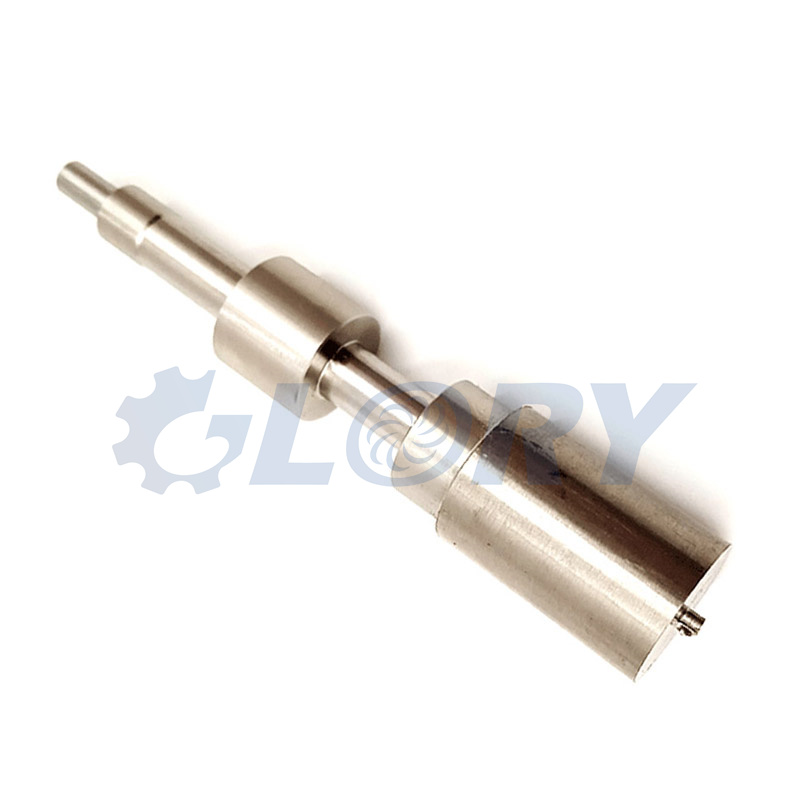
Stamping & cutting parts: punching pins, cutting blades, blanking dies, trimming inserts, slitting knives
Wear-resistant fixture parts: long-life positioning blocks, anti-wear sliding strips, precision limit stops, clamping jaws
Precision mold components: mold core pins, thin insert plates, gauge blocks, high-precision spacer plates
2.2 Common SKD61 Parts (Hot Work & Forming Mold)
High-temperature mold parts: die-casting mold cores, injection mold inserts, hot pressing mold blocks, blow mold components
Heat-resistant mechanical parts: high-temperature positioning pins, thermal insulation support blocks, hot runner side plates
Durable automation parts: high-temperature resistant sliding parts, fatigue-resistant fixing brackets, hot environment fixture plates
3. Material Performance & Procurement Selection Guidelines
3.1 SKD11 Core Advantages & Application Scope
Key strengths: High hardness (HRC 58–62 after heat treatment), extreme wear resistance, low deformation rate, excellent compression resistance and long service life.
Best scenarios: Cold stamping dies, precision cutting tools, high-frequency wear parts, long-life jigs, thin and high-precision mold inserts.
Not recommended: Continuous high-temperature working environment above 400°C; scenarios requiring high toughness and anti-thermal-crack performance.
3.2 SKD61 Core Advantages & Application Scope
Key strengths: Excellent thermal fatigue resistance, uniform high-temperature toughness, strong anti-thermal-crack ability, small heat treatment deformation, stable performance under repeated heating and cooling cycles.
Best scenarios: Aluminum alloy die-casting molds, plastic injection molds, hot extrusion molds, high-temperature automation structural parts, thermal forming tooling.
Not recommended: Ultra-high wear-resistant cold cutting scenarios; low-temperature single-load tooling with low toughness requirements.
4. Machining Characteristics & Export Quality Standards
Both SKD11 and SKD61 are high-hardness alloy steels. Hardened material brings high cutting resistance, serious tool wear and easy chipping. Unified export machining standards are required to guarantee batch precision and surface quality.
4.1 Turning Quality Requirements
Use high-rigidity machine tools and coated carbide cutters. For pre-hardened blanks, adopt medium speed and layered cutting to avoid tool collapse and surface tearing. For fully hardened workpieces, reduce feed rate and increase cooling flow to ensure smooth turning surface without tool lines. All shaft pins and sleeve parts maintain stable roundness and verticality.
4.2 Milling Quality Requirements
High-precision mold plates and insert parts require low-speed heavy-rigidity milling. Avoid violent vibration which causes edge chipping and uneven surface texture. For thin mold inserts, symmetrical tool path and layered milling are adopted to balance stress and prevent bending deformation. The finished surface is uniform, ready for polishing or texturing.
4.3 Drilling & Tapping Standards
Hardened mold steel has high drilling resistance. Adopt pilot pre-drilling + graded reaming to prevent drill bit breaking and hole position deviation. Use high-strength special steel taps for threading. Strictly control speed and lubrication to avoid tooth slipping and thread damage. All assembly holes pass 100% gauge inspection.
4.4 Heat Treatment & Deformation Control
Heat treatment is the core quality control point. SKD11 focuses on high hardness and minimal deformation; SKD61 focuses on toughness uniformity and thermal fatigue stability. After quenching and tempering, stress relief is required to eliminate residual stress, ensuring no size drift during long-term mold operation and cross-border transportation.
4.5 Surface Finishing Standards
Support fine grinding, mirror polishing, nitriding treatment, vacuum heat treatment and black oxidation. Meet European and American high-standard mold surface requirements, ensuring high finish, corrosion resistance and extended service life.
5. Real Foreign Trade Procurement Cases
Case 1: Southeast Asian Precision Stamping Industry — SKD11 Tooling Parts
Requirement: A Thailand hardware stamping enterprise purchased batch SKD11 (JIS standard) punching pins and trimming die inserts. The customer required high hardness, ultra-wear resistance and consistent batch size to reduce frequent mold replacement and improve stamping efficiency.
Procurement pain point: Ordinary processed mold parts have unstable hardness, poor wear resistance and easy edge collapse, resulting in short service life and frequent production shutdowns.
Solutions: Adopt vacuum heat treatment to stabilize HRC 60–62 hardness, low-stress layered machining, fine grinding and full dimensional inspection. Eliminate residual cutting stress to ensure long-term stable use.
Result: Tooling service life increased significantly, stamping product consistency improved greatly. The customer established long-term fixed batch procurement cooperation.
Case 2: European Die-Casting Industry — SKD61 High-Temperature Mold Inserts
Requirement: An Italian die-casting manufacturer customized SKD61 (equivalent to 1.2344) mold core inserts for aluminum alloy die-casting production. Core requirements: high-temperature resistance, anti-thermal-crack, fatigue resistance and small thermal deformation after repeated heating and cooling cycles.
Procurement pain point: Low-quality mold steel is prone to surface thermal cracks and local deformation after long-term high-frequency die-casting, causing defective products and high maintenance costs.
Solutions: Adopt standardized quenching and multiple tempering processes to balance hardness and toughness. Precision milling and stress relief treatment ensure stable structural strength. Surface nitriding enhances high-temperature wear resistance.
Result: The mold runs stably for a long time without thermal cracking, effectively reducing defective rate and maintenance cost, meeting European die-casting industrial standards.
6. Export Delivery & Quality Assurance
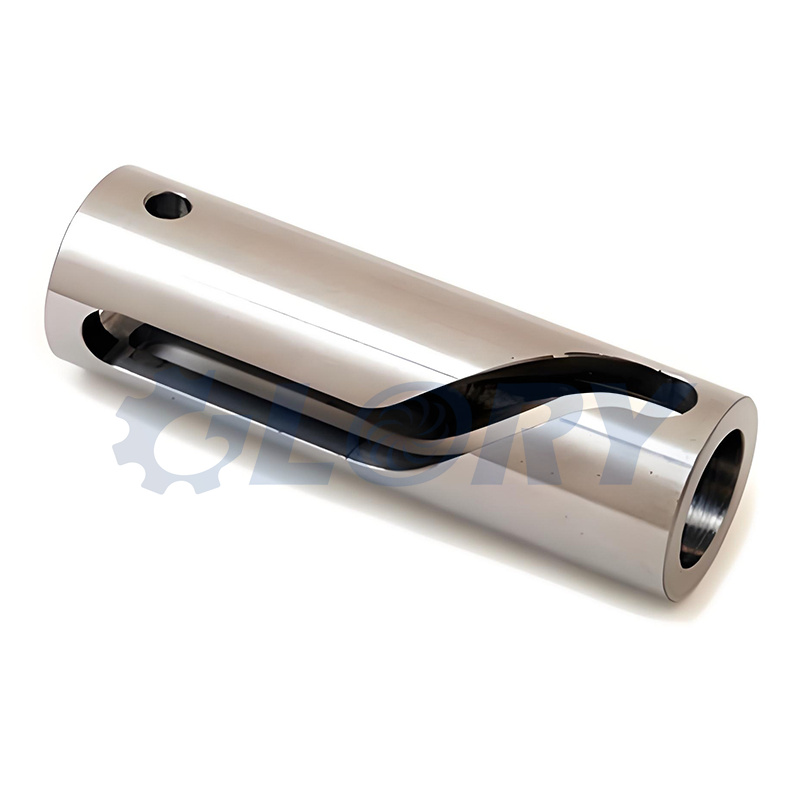
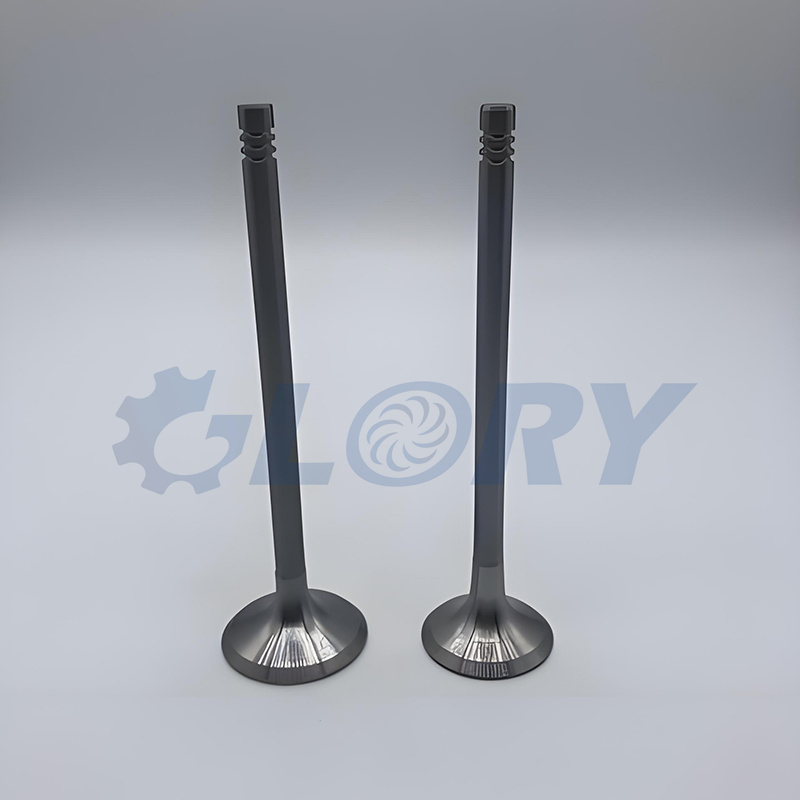
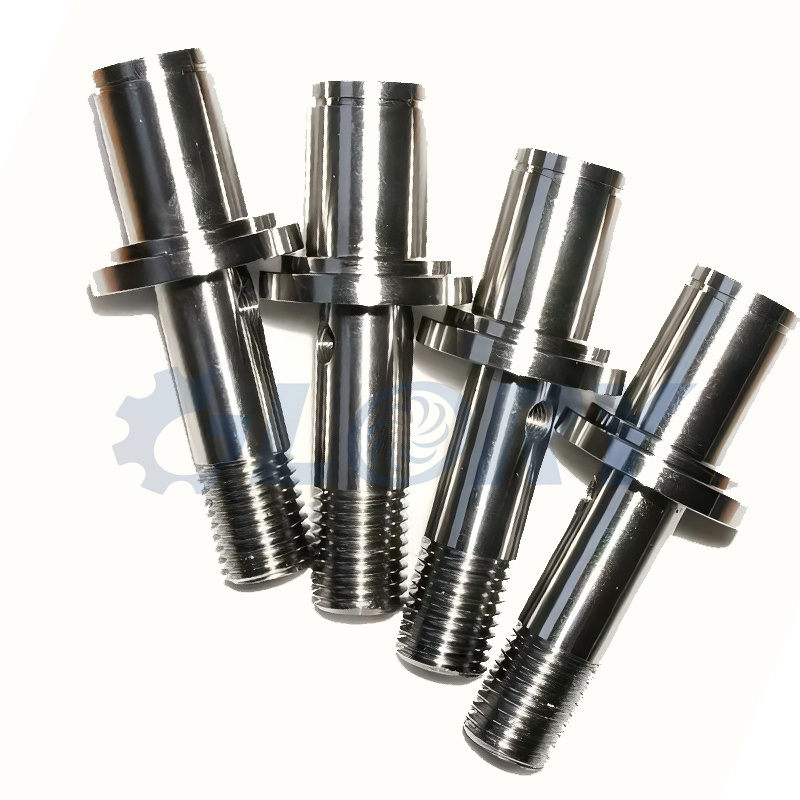
Full-grade support: Provide customized machining for pre-hardened and fully hardened SKD11 and SKD61 mold steel, covering prototype trial production, small-batch tooling customization and mass mold parts processing.
Multi-standard compliance: Manufactured in accordance with JIS, ASTM, EN and GB standards. Provide heat treatment reports, hardness test reports, dimensional inspection reports and material certificates to support overseas customer audits and customs clearance.
Professional export packaging: Adopt rust-proof oil, anti-rust paper, shockproof and anti-collision packaging to avoid surface oxidation, scratches and extrusion deformation during long-distance sea transportation.
 We provide custom machined parts, 5-axis linkage CNC machining, and the design, production, and assembly of machinery and equipment.