
Nylon (PA6, PA66, cast MC nylon, glass fiber reinforced modified nylon) is one of the most widely used engineering plastics in foreign trade mechanical parts. Featuring excellent wear resistance, self-lubrication, corrosion resistance, light weight and low noise, it has become an ideal substitute for traditional copper, iron and rubber parts, and is exported in large quantities to Europe, America, Southeast Asia, the Middle East and other global markets. Nylon has special material characteristics including strong moisture absorption, poor thermal stability, high tendency of deformation and edge chipping during processing, which puts forward high requirements for turning, milling, drilling, grinding, cutting and other machining processes. As a foreign trade-oriented manufacturer focusing on high-precision custom machining and mass production of nylon parts, we optimize processing parameters according to different material properties and international standards, and stably supply high-precision custom nylon mechanical parts. This article mainly introduces core nylon machining techniques, solutions to common processing difficulties, and authentic foreign trade practical cases.
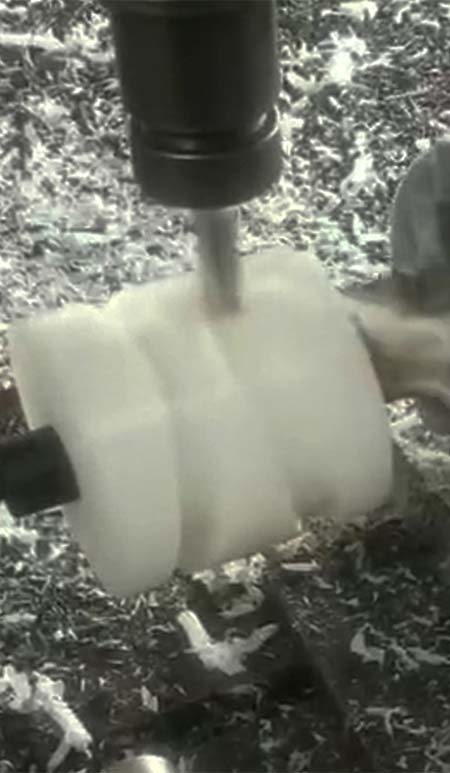
1. Core Machining Processes for Nylon Parts
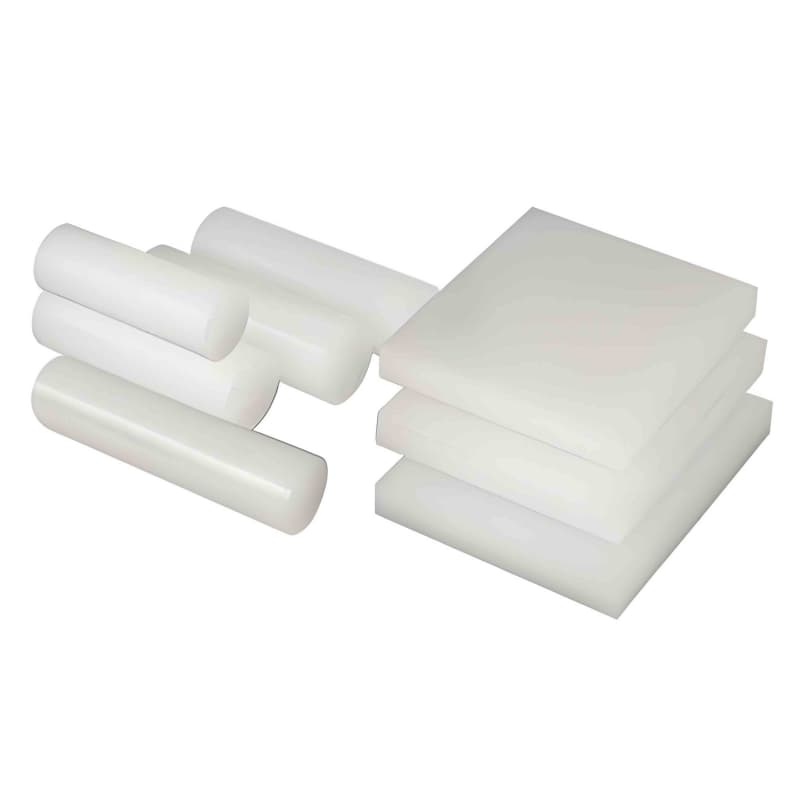
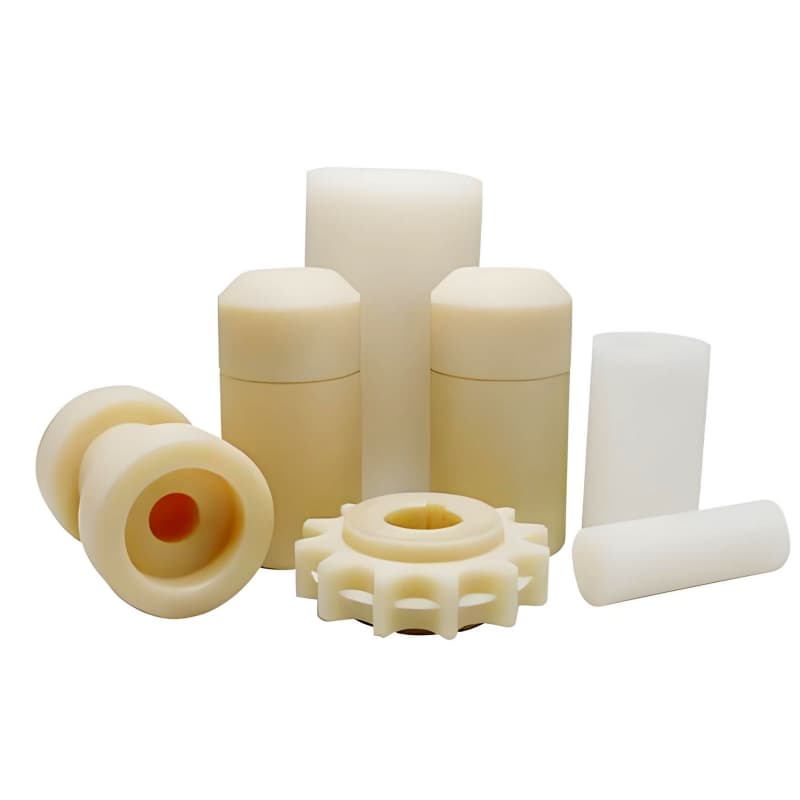
Our mainstream nylon machining services cover deep processing of nylon rods, plates and tubes, including full-process operations such as turning, milling, drilling, tapping, grooving, chamfering, precision grinding, cutting and special-shaped contour machining. We customize standard parts, non-standard special-shaped parts, wear-resistant transmission parts and mechanical sealing & support parts strictly in accordance with customer drawings and sample specifications, complying with ISO, DIN, ANSI and other international standards for global export.
1.1 Precision Turning
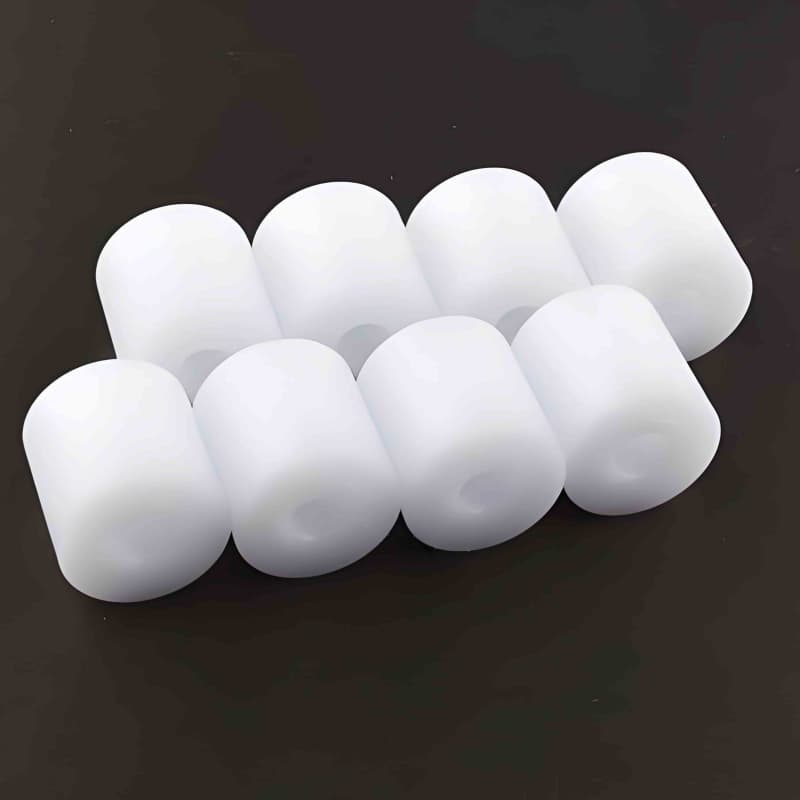
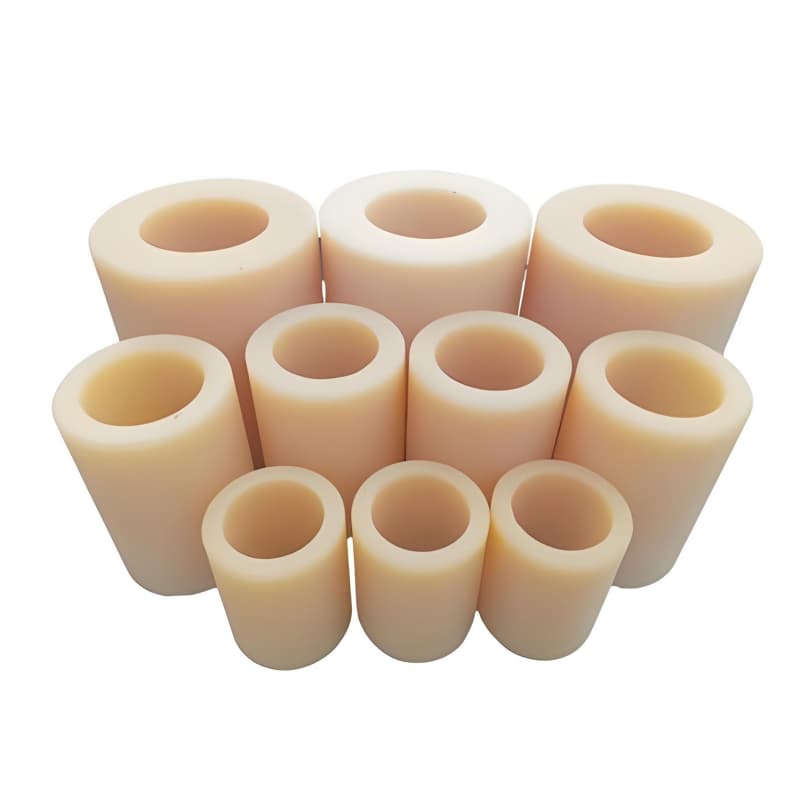
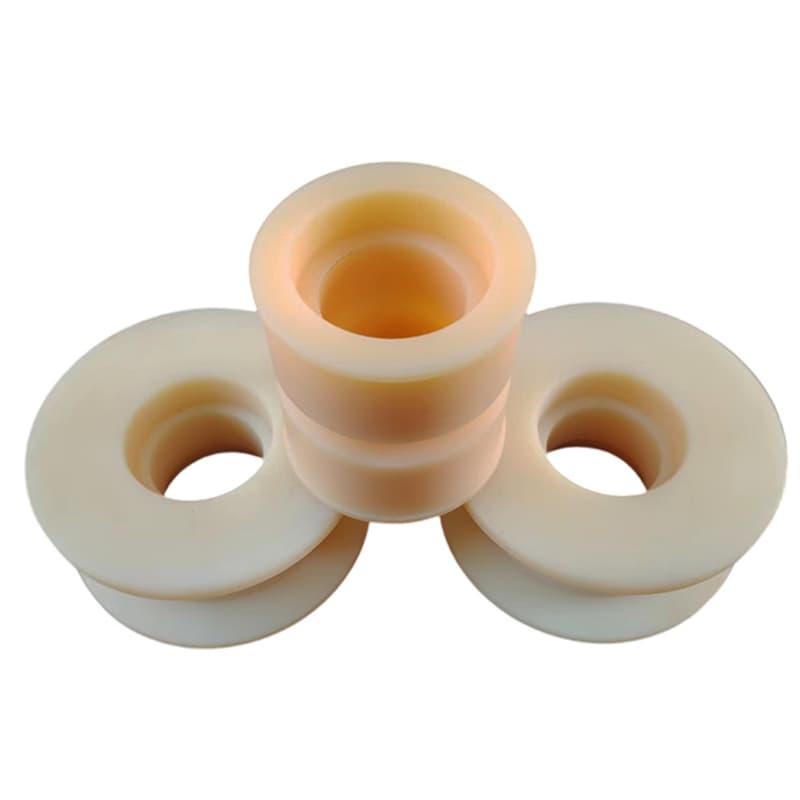
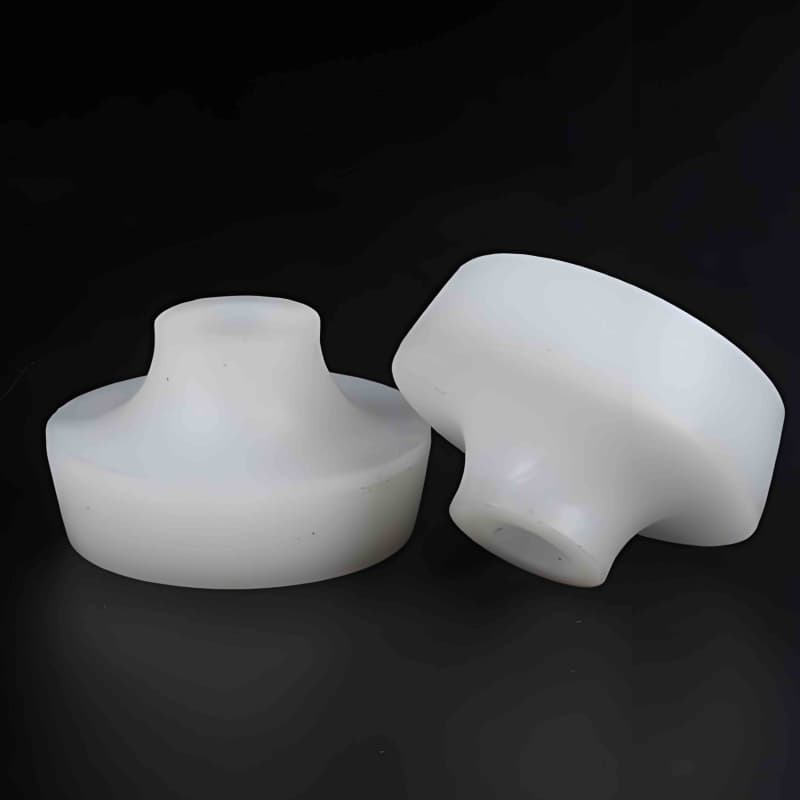
We adopt CNC precision turning for rotary parts such as nylon bushings, sleeves, rollers, pin shafts and hollow rods. Nylon is relatively soft and prone to tool sticking, burrs and edge collapse during cutting. To solve these problems, we apply high-sharp carbide tools and low-speed dry cutting technology by optimizing tool types, rotating speed and feed rate, completely eliminating tool adhesion, burrs and edge defects. For high-precision export parts, we strictly control the coaxiality of inner and outer circles and end face verticality, with a stable tolerance of ±0.02mm for conventional products and up to ±0.01mm for ultra-precision parts, meeting the matching requirements of high-end mechanical equipment. Meanwhile, we adjust processing parameters differentially for cast MC nylon and glass fiber reinforced nylon to avoid edge chipping of hard and brittle materials and excessive tool wear during modified nylon processing.
1.2 CNC Milling and Special-Shaped Machining
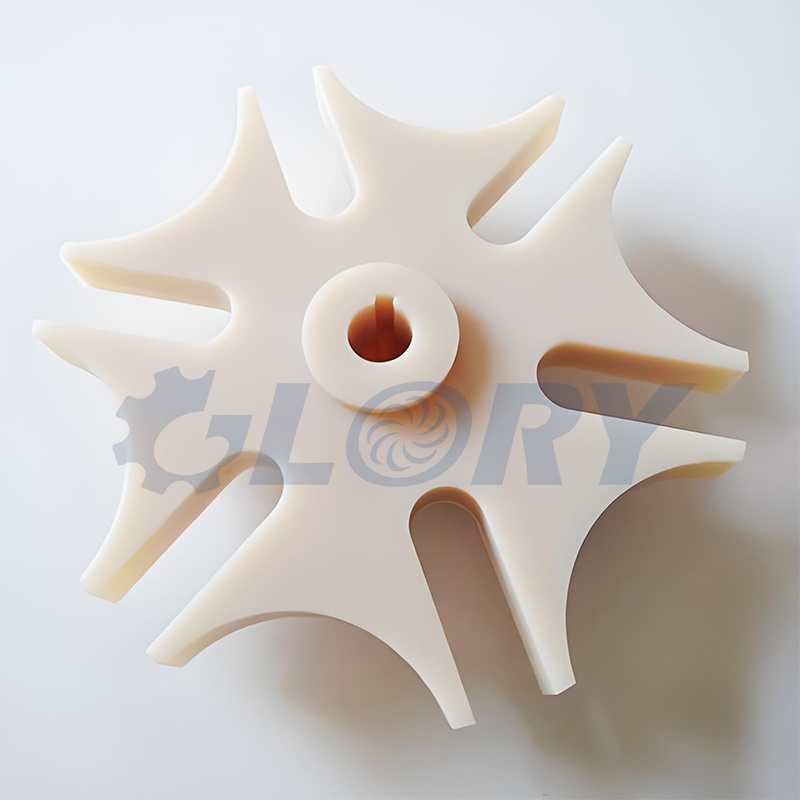
CNC milling machines and machining centers are used for complex structural parts including nylon sliding blocks, wear-resistant backing plates, gears, racks, special-shaped brackets and conveyor baffles to complete precision milling, grooving, angle cutting and contour machining. Conventional nylon milling easily causes edge chipping, surface deformation and dimensional deviation, especially for thin plates and thin-walled special-shaped parts with high processing difficulty. We adopt layered cutting, multiple passes and low-feed processing to reduce cutting heat accumulation and avoid thermal expansion and deformation, ensuring qualified flatness and parallelism. For ultra-thin nylon plates and thin-walled wear-resistant parts commonly used in foreign trade, we optimize clamping methods to eliminate clamping deformation and guarantee consistent dimensional accuracy of batch products.
1.3 Drilling and Precision Tapping
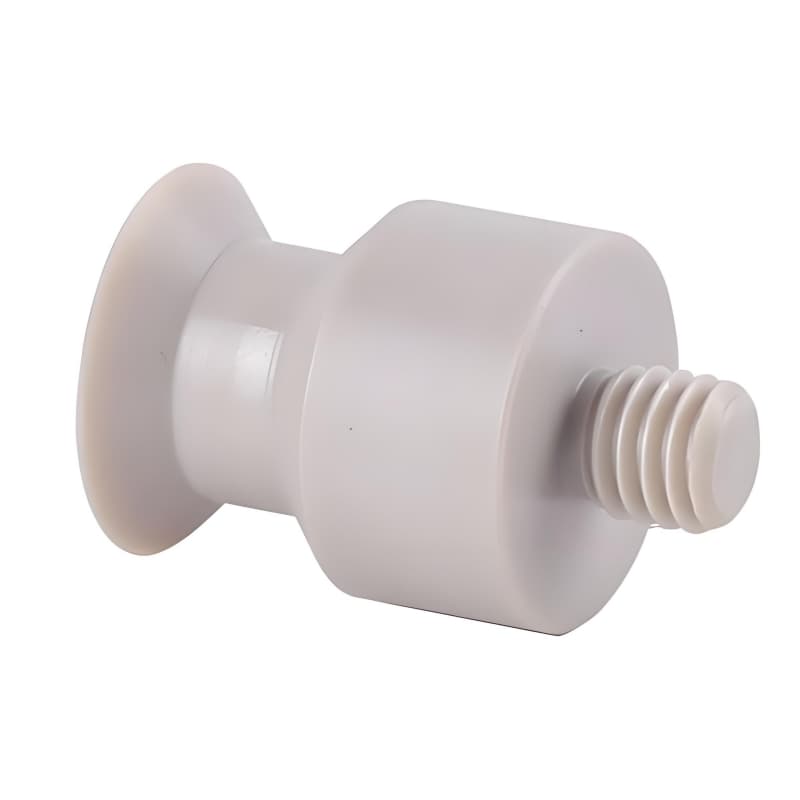
Drilling and tapping are high-frequency and high-risk processes for nylon export parts, which are prone to oversized apertures, offset hole positions, rough hole walls, thread slipping and tooth collapse. For through holes, counterbore holes, stepped holes and micro holes, we adopt step-by-step drilling and low-temperature processing to strictly control aperture accuracy. For conventional and non-standard threaded holes ranging from M3 to M16, we use special plastic tapping tools with optimized rotating speed and torque to ensure full and tightly fitted threads without slipping or tooth damage. All threaded parts pass go/no-go gauge inspection to meet precision assembly requirements for export.
1.4 Precision Cutting, Polishing and Post-Processing
Precision cutting equipment is adopted for fixed-length cutting and dimension trimming of nylon plates and rods to ensure flat and burr-free notches. All finished precision parts undergo dual polishing treatment by equipment and manual work to remove tool marks and sharp edges, meeting the export standards of flat appearance, no burrs and convenient assembly. Stress relief and aging treatment is available upon customer requests to release internal processing stress, solve the industry pain points of water absorption deformation and dimensional drift of nylon parts, and greatly improve the service stability of exported products.
2. Common Nylon Machining Difficulties and Solutions
Based on years of foreign trade processing experience, the core problems of nylon machining are concentrated in four aspects: deformation, burrs, unstable precision and inconsistent batch quality. For nylon’s strong moisture absorption, high-precision parts are pre-dried and dehumidified before processing to control moisture content and avoid post-processing water absorption deformation fundamentally. Low-temperature dry cutting is applied throughout the production process to prevent material softening, dimensional drift and thermal damage caused by cutting heat. For high-hardness glass fiber modified nylon prone to edge chipping, we optimize tool angles and cutting parameters to improve processing stability, adapting to the processing requirements of various high-hardness modified nylon parts for export. All batch orders implement first-piece inspection, in-process sampling and finished product full inspection to ensure unified precision and stable yield of foreign trade orders.
3. Practical Foreign Trade Machining Cases
Case 1: Batch Processing of MC Nylon Wear-Resistant Bushings for European Construction Machinery
The client is a European construction machinery parts trader, who purchases MC nylon bushings and sleeves in batches for transmission system matching of engineering equipment. The client put forward strict requirements on tolerance, high coaxiality of inner and outer circles, burr-free surface and non-deformation, to adapt to automatic assembly lines and ensure zero after-sales problems for exported batches. The client’s previous supplier had frequent quality problems including large batch dimensional deviation, end face burrs and loose deformation after long-term operation.
We customized exclusive processing solutions for cast MC nylon: adopting layered low-speed precision turning and optimized tool path to reduce cutting stress, and conducting constant-temperature aging treatment after processing to eliminate internal stress. We strictly control the tolerance of inner and outer circles and end face verticality, with all finished products fully inspected by precision micrometers and concentricity detectors. For this 20,000-piece batch order, zero defective products were delivered with 100% dimensional consistency and qualified assembly rate. The client feedbacks that our products feature stable wear resistance and no deformation or loosening in long-term operation. We have become the fixed long-term nylon parts processing supplier for the client with continuous repeat orders.
Case 2: Custom Machining of Special-Shaped Nylon Sliders for Southeast Asian Logistics Equipment
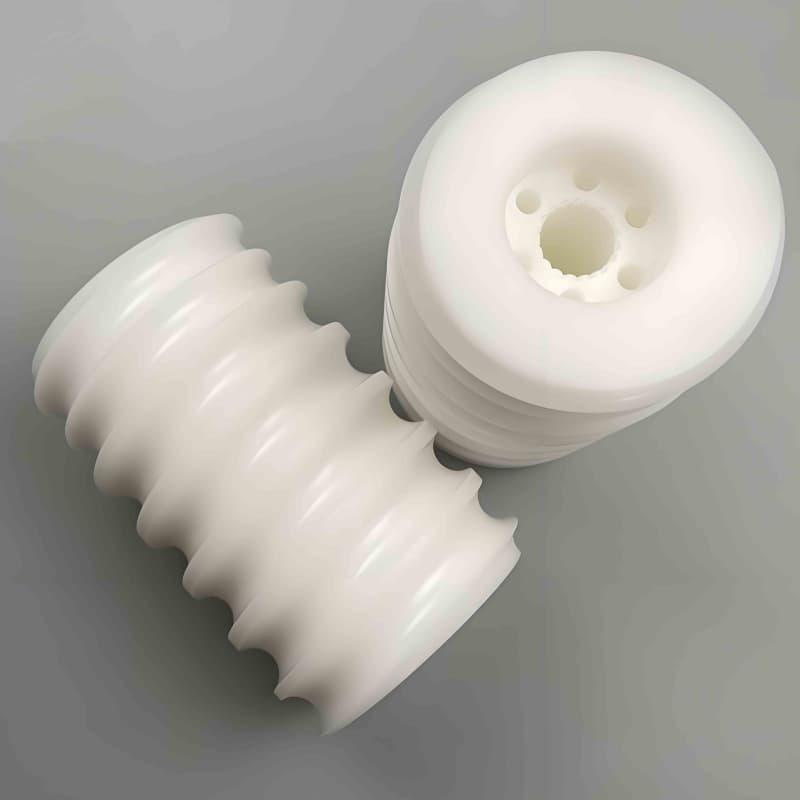
The client is a Southeast Asian logistics conveyor equipment manufacturer, customizing multiple types of non-standard special-shaped nylon sliders and wear-resistant baffles for assembly line operation. The products require wear resistance, low noise, high dimensional accuracy and accurate hole position matching for on-site installation, with small-batch and multi-specification customization demands. The parts feature complex structures with special-shaped contours, grooving, multi-hole positions, counterbore holes and threaded holes, and thin-walled structures that are extremely prone to edge chipping and deformation during processing.
Aiming at the complex structure and thin-walled processing difficulties, we adopted step-by-step CNC milling and multi-pass low-feed cutting, and optimized flexible clamping solutions to avoid compression deformation. Custom positioning tooling is used for multi-hole processing to ensure consistent hole position and spacing accuracy. All threaded holes pass go/no-go gauge inspection to ensure smooth on-site assembly. We finally completed the small-batch multi-specification customization order with all products featuring flat burr-free appearance, accurate hole positions and zero assembly error. The put-into-service products operate with low noise and far exceed the client’s expected wear life, successfully replacing high-priced local imported parts and reducing the client’s procurement cost by more than 30%.
4. Foreign Trade Machining and Delivery Advantages
Specializing in foreign trade nylon machining, we support custom processing per drawings and samples for non-standard special-shaped parts and orders of all batch sizes, strictly complying with international tolerance standards and export quality inspection specifications. We can provide official dimension and appearance quality inspection reports, and support export packaging, customized labeling and diversified packaging solutions to meet global procurement and customs clearance requirements. With mature professional nylon machining technology, low defective rate and stable delivery cycle, we effectively solve foreign customers’ core pain points of poor precision, unstable quality and delayed delivery of nylon processing parts.
 We provide custom machined parts, 5-axis linkage CNC machining, and the design, production, and assembly of machinery and equipment.