
316 stainless steel is a premium marine-grade and chemical-resistant alloy widely specified in international mechanical procurement projects. With superior molybdenum alloy composition, 316 steel delivers outstanding resistance to salt spray, acid corrosion, high-temperature oxidation and chemical erosion compared with standard 304 stainless steel. It is extensively adopted in offshore equipment, marine hardware, chemical fluid systems, medical devices, food processing machinery and high-end environmental protection facilities, with large export volumes to Europe, North America, Australia and coastal Southeast Asian countries.
Although 316 stainless steel offers excellent service performance, its machining difficulty is significantly higher than ordinary carbon steel and 304 stainless steel. It features stronger toughness, severe work hardening, higher cutting temperature and extreme tool abrasiveness during processing. Improper parameters will directly cause tool breakage, surface tearing, residual burrs, dimensional instability and stress deformation. As an experienced foreign trade precision machining manufacturer focusing on corrosion-resistant metal parts, we have developed stable and mature 316 machining processes to solve common processing defects and provide high-reliability custom components for global industrial clients.
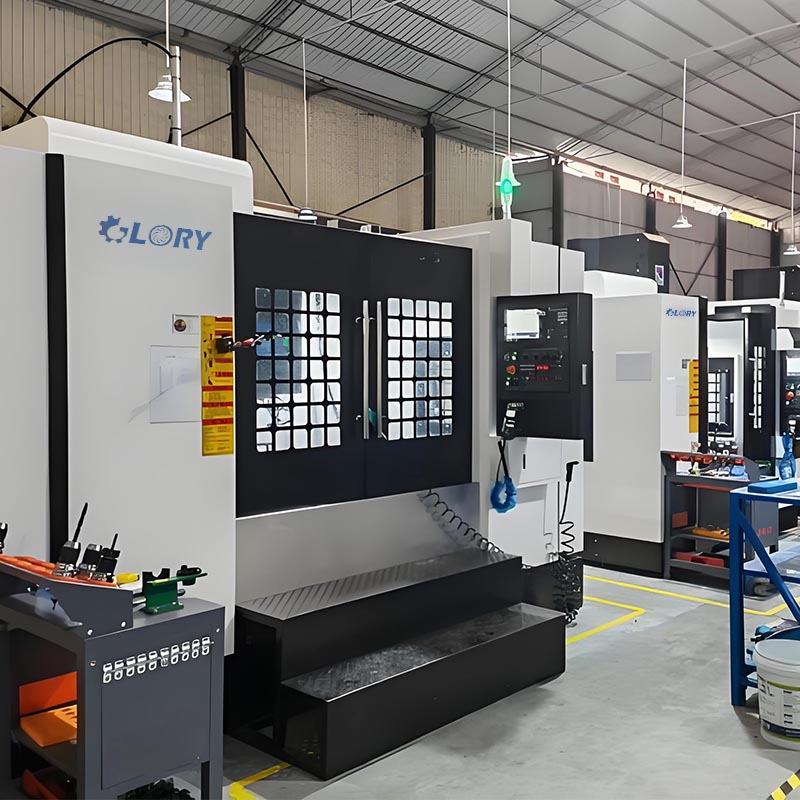
1. Machining Features of 316 Stainless Steel
Different from conventional structural steel, 316 stainless steel presents typical difficult-to-machine characteristics throughout turning, milling and hole processing:
• Strong work hardening effect: The material surface hardens rapidly during cutting, increasing processing resistance and causing secondary hardening on the machined surface.
• High cutting heat accumulation: Poor thermal conductivity leads to concentrated heat on the cutting edge, resulting in tool burning and built-up edge adhesion.
• Tough chip morphology: Long and tough chips are not easy to break, which easily scratch the workpiece surface and cause secondary damage.
• High requirement for surface consistency: Corrosion-resistant equipment parts require uniform surface texture, no tool marks and no residual stress to ensure long-term anti-rust and anti-corrosion performance in harsh environments.
2. Full-Scope Machining Services & Standardized Processes
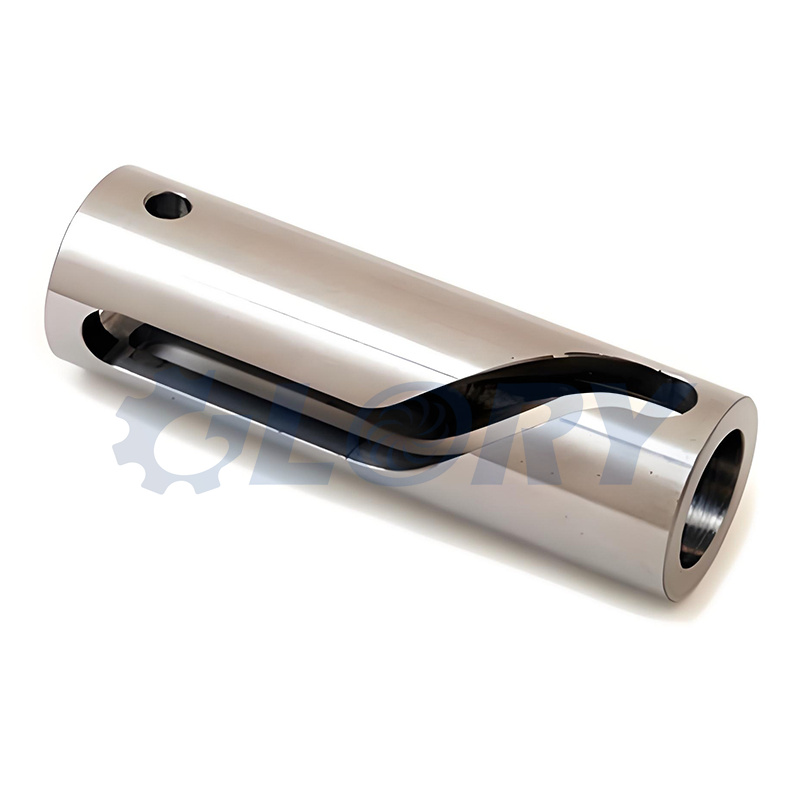
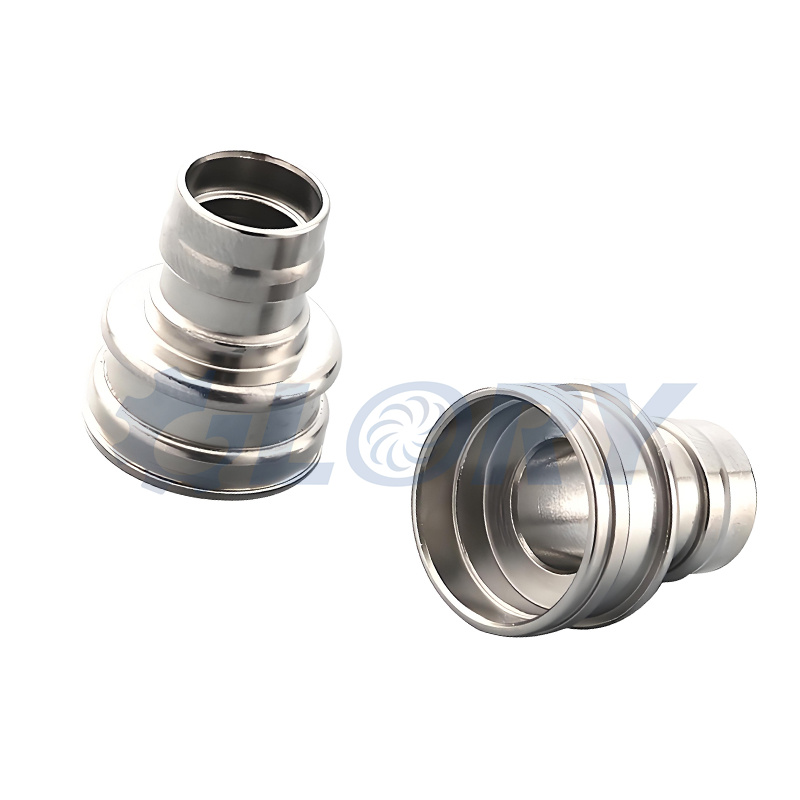
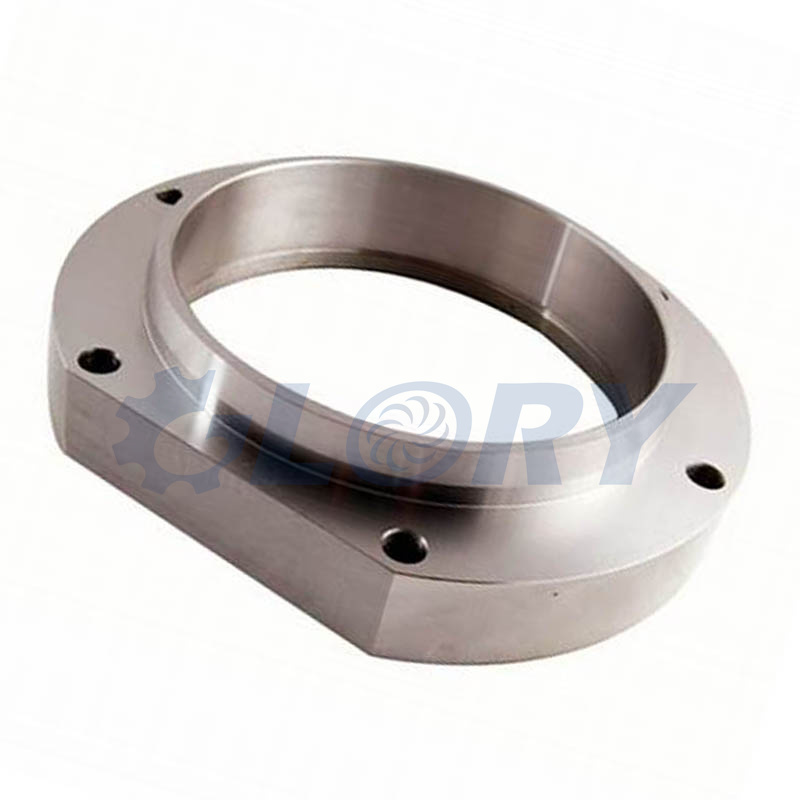
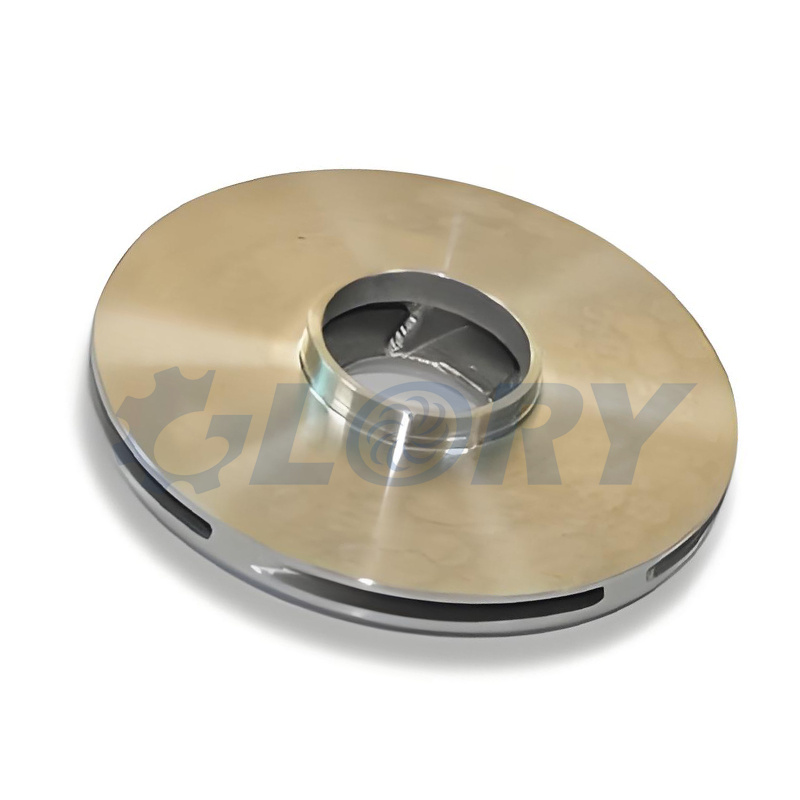
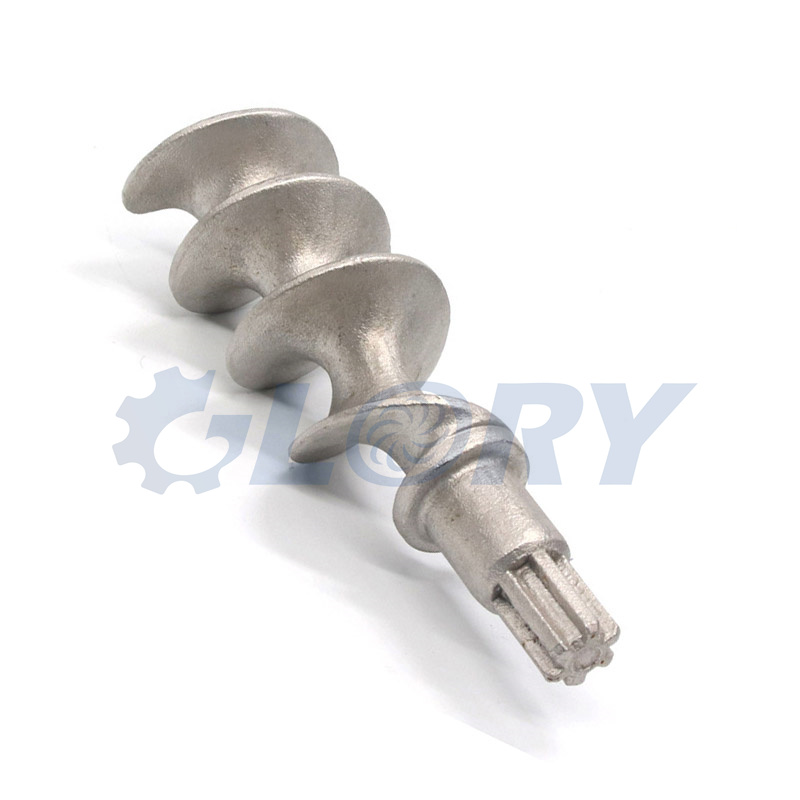
We provide one-stop customized machining for 316 stainless steel plates, bars, tubes and forgings, covering precision turning, 3D milling, deep hole drilling, reaming, precision tapping, boring, groove cutting, wire cutting, surface grinding, deburring and passivation treatment. We produce custom valve bodies, pipe fittings, flange connectors, marine fasteners, corrosion-resistant brackets, medical precision parts and chemical equipment structural components in strict accordance with ISO, DIN and ANSI international standards, fully adapting to high-standard overseas industrial assembly and corrosion-resistant working conditions.
2.1 Precision Turning for Corrosion-Resistant Rotary Parts
For 316 stainless steel shafts, sleeves, flanges and threaded pipe joints, we adopt low-speed, heavy-feed and flood-cooling turning strategies specially optimized for molybdenum-containing stainless steel. We apply high-performance coated tools to resist abrasion and suppress built-up edges. The process effectively avoids surface tearing, spiral tool marks and dimensional fluctuation. Critical tolerance such as concentricity, perpendicularity and thread accuracy is strictly controlled within export standard ranges. For long shafts and thin-wall tubular parts, we adopt multi-pass finishing and auxiliary support to eliminate vibration deformation and ensure batch consistency.
2.2 High-Precision Milling for Complex Structural Components
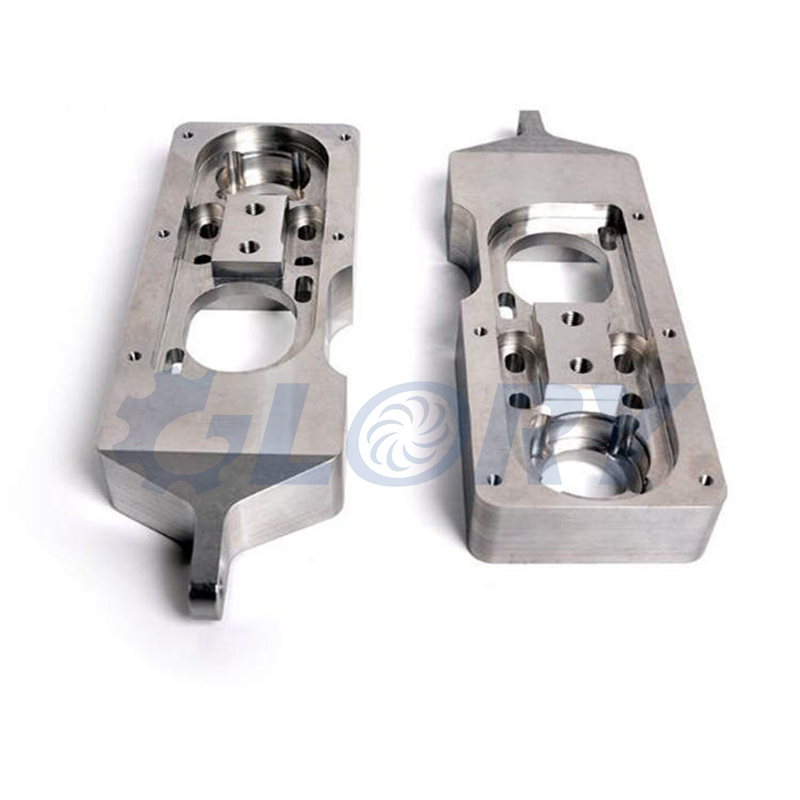
Complex 316 structural parts such as equipment bases, pump housings, asymmetric brackets and multi-channel fluid modules require stable stress control during milling. We adopt layered cutting and intermittent tool path optimization to reduce instantaneous cutting force and avoid work hardening accumulation. For thin-wall and large-area structural parts, we use segmented processing and stress-releasing intervals to prevent bending and torsion deformation. All milled surfaces achieve uniform finish without pitting, tool scratches or uneven textures, meeting the high hygiene and anti-corrosion requirements of food and chemical equipment exports.
2.3 High-Stability Drilling and Tapping
Deep hole drilling and thread processing are the most challenging procedures for 316 material. Conventional drilling easily causes hole wall roughness, taper deviation and tool wear; tapping frequently results in tap breakage and incomplete threads due to continuous work hardening. We adopt pilot hole grading drilling and low-speed constant-torque tapping with dedicated 316 stainless steel taps. All threaded holes and positioning holes pass strict go/no-go gauge testing to ensure precise assembly, tight thread engagement and zero slippage for overseas batch installation.
2.4 Surface Treatment and Stress Relief Post-Processing
To enhance the inherent corrosion resistance of 316 parts, we support professional post-processing including precision deburring, sharp edge rounding, electrolytic polishing, acid pickling passivation and surface whitening treatment. Passivation effectively removes surface metal impurities and processing stress, significantly improving salt spray resistance and oxidation stability. For high-precision parts used in marine and chemical environments, we perform artificial stress relief treatment to eliminate residual cutting stress and prevent long-term deformation during offshore operation and long-distance marine transportation.
3. Practical Overseas Machining Cases
Case 1: 316 Stainless Steel Pipe Fittings & Flange Parts for Australian Marine Engineering Project
The client is an Australian marine engineering contractor, sourcing large batches of 316 stainless steel pipe connectors and small flanges for offshore platform fluid systems. The core requirements include excellent salt spray corrosion resistance, stable dimensional tolerance, smooth inner flow channel, no residual burrs and zero leakage after high-pressure assembly. The client’s previous supplier suffered unstable thread accuracy, rough inner hole surface and poor passivation effect, leading to occasional leakage in marine environment.
We adopted targeted processing parameters for 316 marine-grade stainless steel: low-speed anti-hardening turning for sealing surfaces, multi-stage fine boring for inner flow channels and professional passivation treatment after full machining. All parts were inspected for dimension, surface finish and salt spray performance. The delivered batch achieved 100% assembly qualification and zero on-site leakage. The client confirmed stable performance under long-term coastal high-humidity and salt fog conditions, and has maintained continuous bulk orders.
Case 2: Custom 316 Chemical Resistant Bracket Components for European Environmental Equipment
A German environmental protection equipment trader customized multiple sets of irregular 316 stainless steel supporting brackets used in chemical waste gas treatment devices. The workpieces feature complex curved surfaces, deep groove structures and dense hole positions, requiring high structural stability and strong acid and alkali corrosion resistance. The client faced problems including easy deformation, poor surface uniformity and insufficient corrosion resistance from ordinary 304 substitutes.
We optimized the processing sequence to disperse cutting stress and adopted layered light cutting to avoid work hardening superposition. After machining, unified pickling and passivation were performed to restore the passive film on the stainless steel surface. The final parts feature accurate dimensions, smooth and clean surface, stable structural strength and excellent chemical corrosion resistance. The components work stably in long-term acidic and humid working environments, helping the client completely replace unqualified 304 alternatives and improve equipment service life significantly.
4. Our Export Machining Strengths for 316 Stainless Steel
We focus on high-difficulty machining of 316 corrosion-resistant stainless steel, supporting non-standard drawing customization, small-batch trial orders and large-scale mass production. All processes comply with international industrial, marine and food-grade manufacturing standards. We can provide complete material certificates (3.1 MTR), dimension inspection reports and surface treatment test records to support overseas customer audit and customs clearance. With stable anti-deformation control, excellent surface finish and ultra-low defective rate, we reliably solve the common difficulties of 316 stainless steel processing such as severe tool wear, work hardening, surface defects and stress deformation, providing global clients with high-quality and long-life corrosion-resistant metal machining solutions.
 We provide custom machined parts, 5-axis linkage CNC machining, and the design, production, and assembly of machinery and equipment.