
7075-T6 aluminum alloy is a high-strength aviation-grade aluminum material widely adopted in foreign trade precision machinery, aerospace fixtures, robotic components, mold plates, racing equipment and high-load structural parts. Compared with conventional 6061 aluminum, 7075 features much higher tensile strength, hardness and fatigue resistance, delivering stable structural performance under high load, high vibration and long-term dynamic operation. It is highly recognized by overseas buyers in Europe, North America and Australia for high-precision and high-strength component customization. Nevertheless, 7075 aluminum brings obvious machining challenges: higher hardness leads to faster tool wear, internal residual stress easily causes torsion and bending deformation after material cutting, and improper milling parameters may result in poor surface finish and unstable batch accuracy. As a professional foreign trade precision machining manufacturer, we summarize mature processing parameters targeting the high-strength characteristics of 7075 aluminum, effectively controlling deformation, tool mark and tolerance deviation to provide stable and high-quality custom machined parts for global clients.
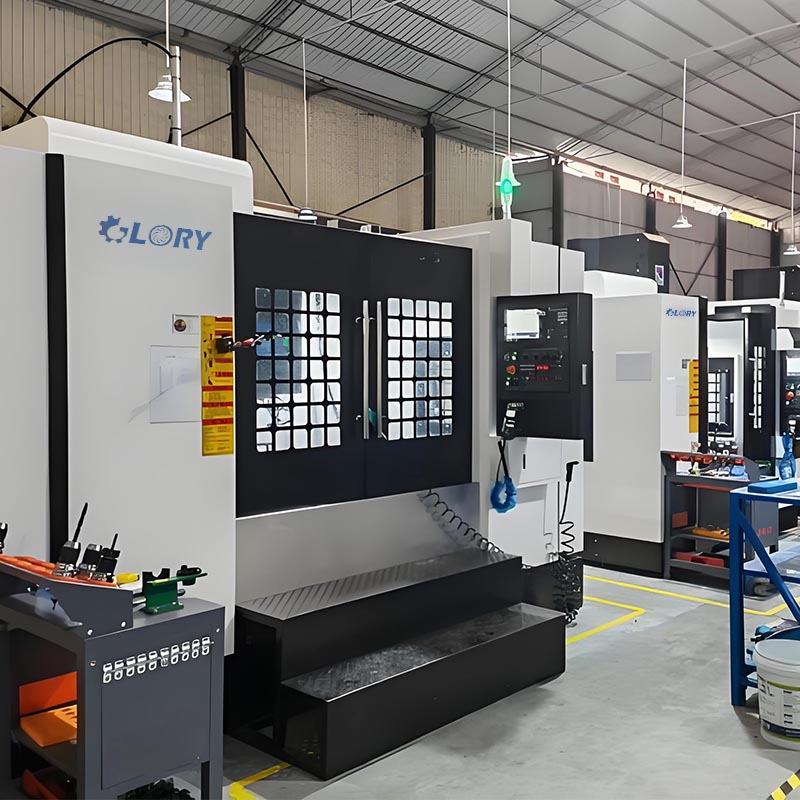
1. Core Machining Processes for 7075 Aluminum Alloy
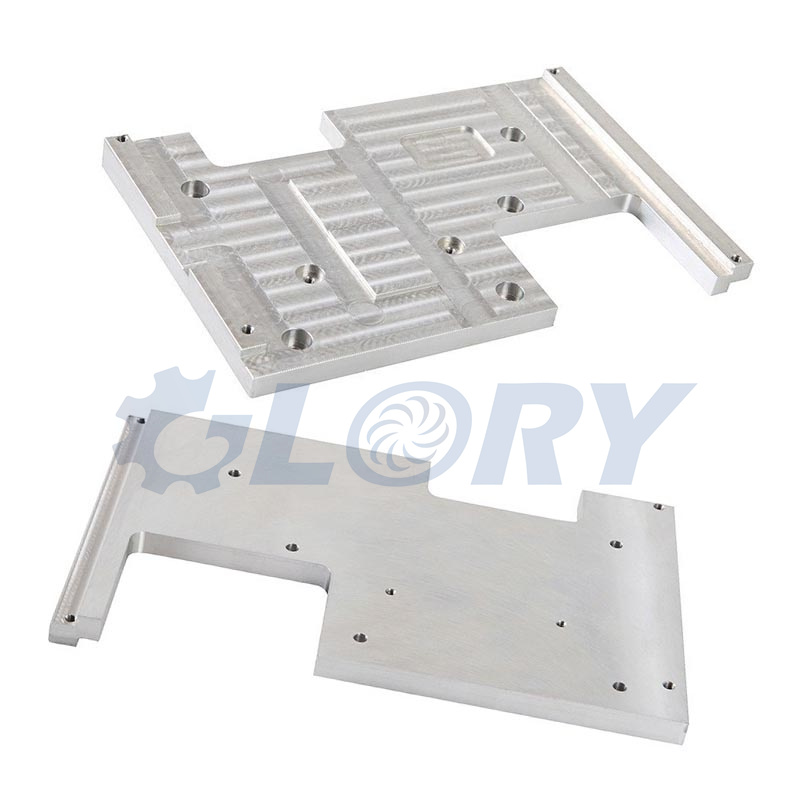
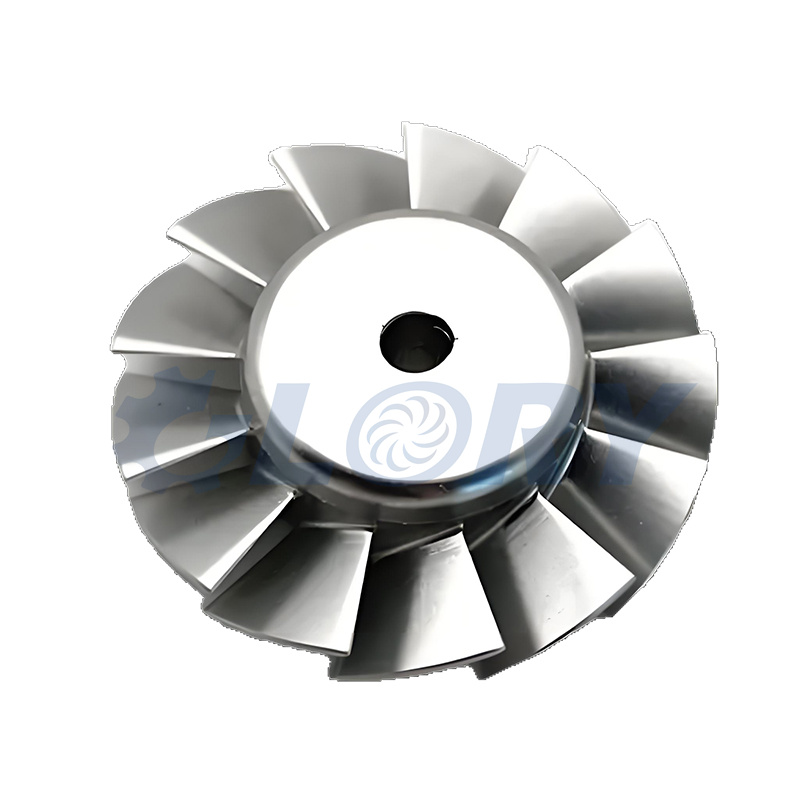
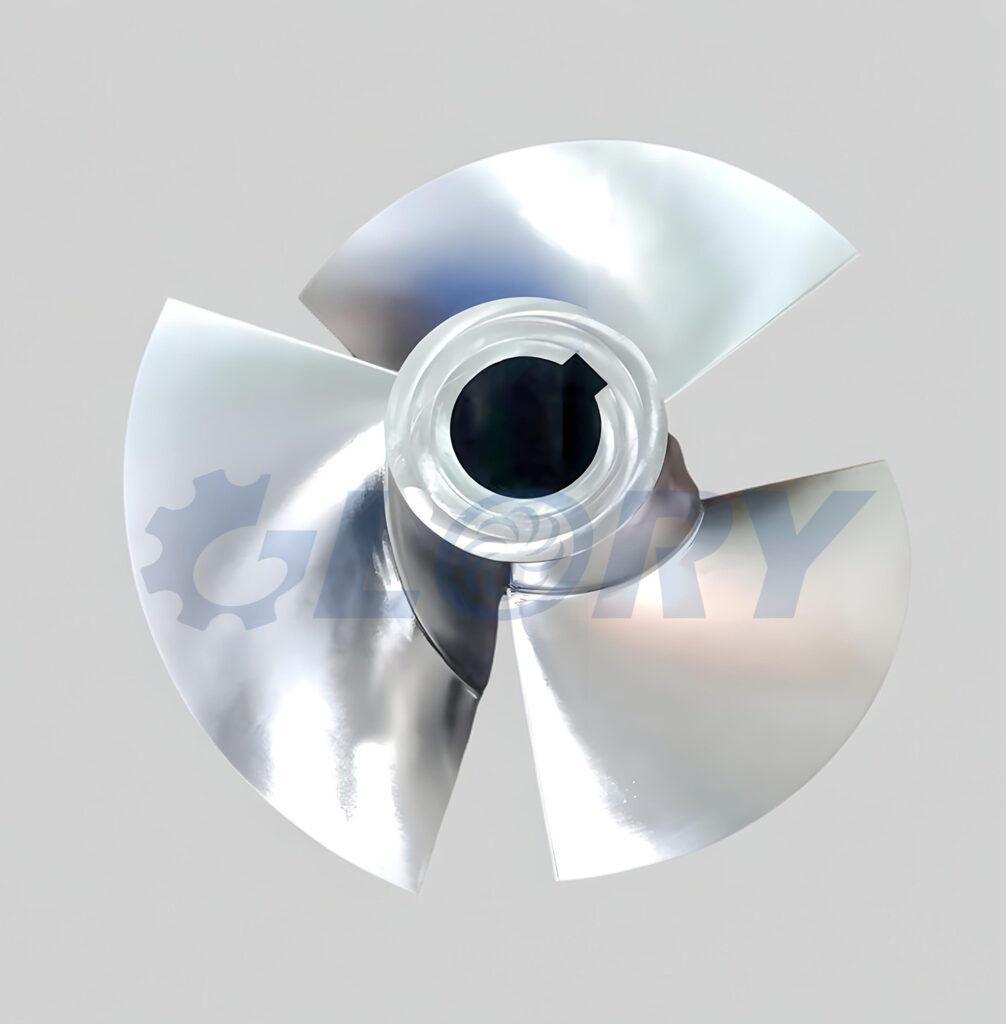
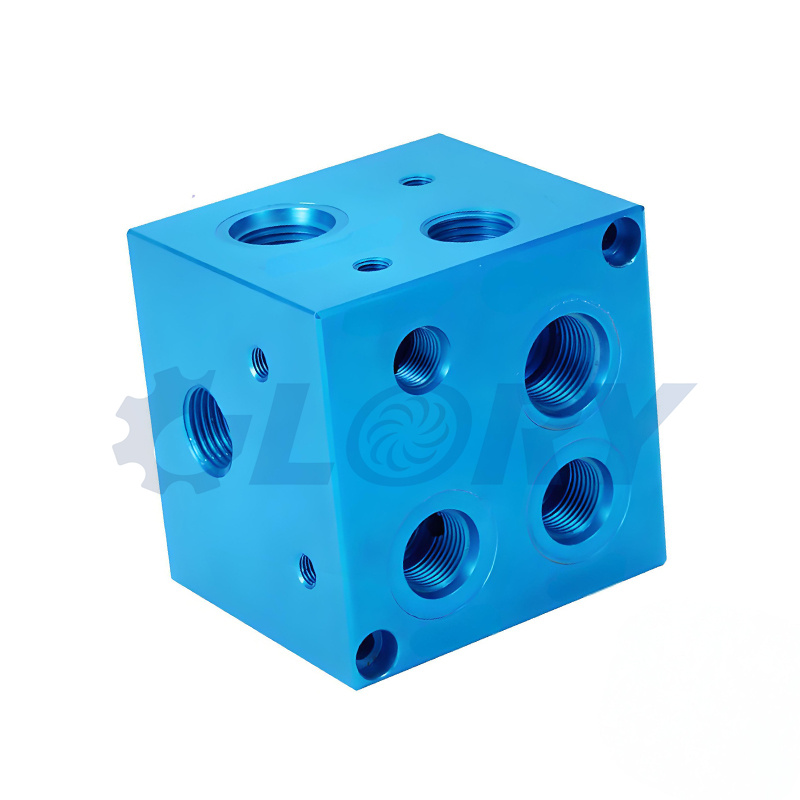
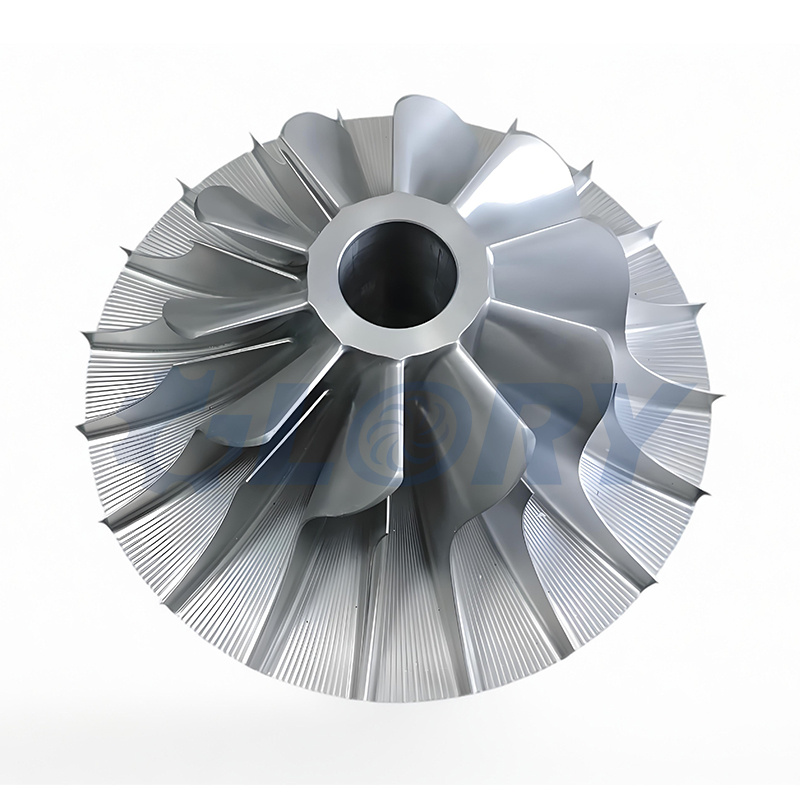
We provide full-process precision deep machining for 7075 aluminum plates, rods, forgings and thick profiles, including CNC turning, high-precision milling, deep-hole drilling, reaming, precision tapping, boring, grooving, thin-wall shaping, contour machining, stress relief treatment and high-standard deburring. We custom-produce high-strength fixture plates, mechanical structural supports, robotic accessory parts, mold base plates, precision positioning blocks and high-load connecting components according to customer drawings and samples. All machining procedures strictly follow ISO, DIN and ANSI international tolerance standards to satisfy high-precision assembly and mechanical performance requirements of overseas high-end equipment.
1.1 High-Precision CNC Turning
CNC turning is mainly applied to 7075 aluminum high-strength shafts, positioning sleeves, flange connectors, step shafts and rotary structural parts. Different from soft-grade aluminum, 7075 aluminum with high hardness causes severe tool wear and poor surface finish if processed with ordinary aluminum tools. We adopt ultra-sharp coated carbide tools matched with optimized speed and feed parameters to ensure smooth chip removal and avoid tool burning and built-up edges. For high-precision matching parts, we stably control roundness, coaxiality and end-face verticality within ±0.015mm. For long slender shafts and thick-wall rotary parts, we adopt segmented turning and multi-pass finishing to eliminate vibration and ensure consistent dimensional accuracy of mass-produced parts.
1.2 High-Speed Milling & Complex Structure Machining
High-speed machining centers are used for processing 7075 thick fixture plates, multi-hole positioning templates, deep-groove structural parts and asymmetric high-strength brackets. The biggest difficulty of 7075 milling lies in internal stress release. After cutting off the material margin, residual stress will cause plate bending, torsion and hole position deviation. We adopt scientific processing logic of layered roughing, stress release standing and precision finishing. Large thick plates are processed with symmetrical cutting paths to balance stress distribution; thin high-strength structural parts adopt low-load multi-pass milling to reduce cutting force deformation. The final flatness, parallelism and position degree can fully meet the tolerance requirements of overseas precision tooling and automation equipment.
1.3 Precision Drilling and Tapping
7075 aluminum has high hardness and strong cutting resistance, making deep-hole drilling and precision tapping more difficult than 6061 aluminum. Ordinary drilling easily causes hole wall roughness, dimensional out-of-tolerance and hole position offset; tapping is prone to tap wear, broken taps and incomplete threads. For precision mounting holes, pin holes and deep blind holes, we adopt pilot hole pre-drilling + precision reaming technology to ensure smooth hole wall and accurate aperture. For M3–M22 metric and imperial threads, we use high-strength special taps for hard aluminum, matching low-speed and constant-torque processing parameters. All threaded holes and positioning holes pass go/no-go gauge inspection to guarantee precise assembly and interchangeability for overseas batch installation.
1.4 Stress Relief and High-Standard Post-Processing
Deformation control is the core of 7075 aluminum machining. All high-precision 7075 parts will undergo artificial stress relief treatment after roughing and finishing to thoroughly eliminate cutting residual stress, ensuring no deformation during long-term sea transportation, storage and equipment operation. All products are precisely deburred and edge-rounded without sharp edges or tool burrs, meeting European and American mechanical safety standards. We also support high-quality sandblasting, hard anodizing, colored anodizing and surface passivation treatment. The stable oxide layer effectively improves surface hardness, wear resistance and corrosion resistance, meeting the strict appearance and performance standards of high-end exported equipment.
2. Common 7075 Aluminum Machining Difficulties and Solutions
Based on long-term foreign trade production experience, the main processing pain points of 7075 high-strength aluminum focus on tool wear, stress deformation, poor surface finish and unstable hole position accuracy. We have formed standardized and mature solutions: First, special hard-aluminum cutting tools are used exclusively with regular tool replacement to avoid tool wear affecting dimensional stability and surface quality. Second, stress release procedures are added between roughing and finishing to solve plate bending and torsion fundamentally. Third, high-speed low-feed cutting and sufficient cooling are adopted to eliminate tool marks and obtain mirror-level smooth surface. Fourth, unified fixture positioning, machine parameter setting and first-piece full inspection system are implemented for batch orders to ensure zero difference in size, tolerance and appearance of each batch of exported parts.
3. Practical Foreign Trade Machining Cases
Case 1: Batch Customization of 7075 Precision Tooling Plates for North American Automation Clients
The customer is a Canadian automation equipment manufacturer, purchasing customized 7075-T6 aluminum thick fixture plates and multi-hole positioning templates. The parts are used for high-precision production tooling, requiring high hardness, stable flatness, accurate hole position tolerance and zero deformation after long-term repeated clamping. The client’s previous processing supplier had frequent problems such as plate bending after processing, inconsistent hole spacing and obvious surface tool marks, which affected product assembly accuracy.
Aiming at the high-stress characteristics of 7075 thick plates, we adopted segmented roughing + stress relief + precision finishing process. The symmetrical cutting path balanced internal stress of the plate; custom high-precision positioning tooling ensured consistent multi-hole position degree. All finished products underwent secondary stress relief treatment and full dimensional inspection by CMM equipment. The whole batch of parts achieved stable flatness and accurate hole positions without deformation. After delivery, the client verified that the tooling plates performed stably in high-frequency clamping operation with zero assembly error. We have become their long-term designated supplier for 7075 high-precision tooling parts.
Case 2: Custom Machining of 7075 High-Strength Thin-Walled Brackets for European Aerospace Auxiliary Equipment
The client is a German aerospace accessory trading company, customizing small-batch multi-specification 7075 thin-walled high-strength brackets. The parts feature thin-wall, hollow and grooved composite structures, requiring light weight while maintaining high structural strength. The client set extremely strict standards on part deformation, surface finish and dimensional tolerance, requiring no deformation under high-frequency vibration working conditions.
For the difficult thin-walled and high-strength structure, we optimized the processing sequence, prioritized margin removal and stress dispersion, and adopted ultra-fine layered low-load milling to avoid vibration deformation and structural collapse. Brand-new high-precision tools were used for finishing to ensure uniform and delicate surface texture. After machining, professional stress relief treatment was carried out to lock the structural stability. The final delivered parts featured accurate dimensions, stable strength, smooth surface and zero deformation. The products perfectly matched the client’s high-standard aerospace supporting requirements, successfully replacing expensive European local processing parts and winning long-term cooperative trust.
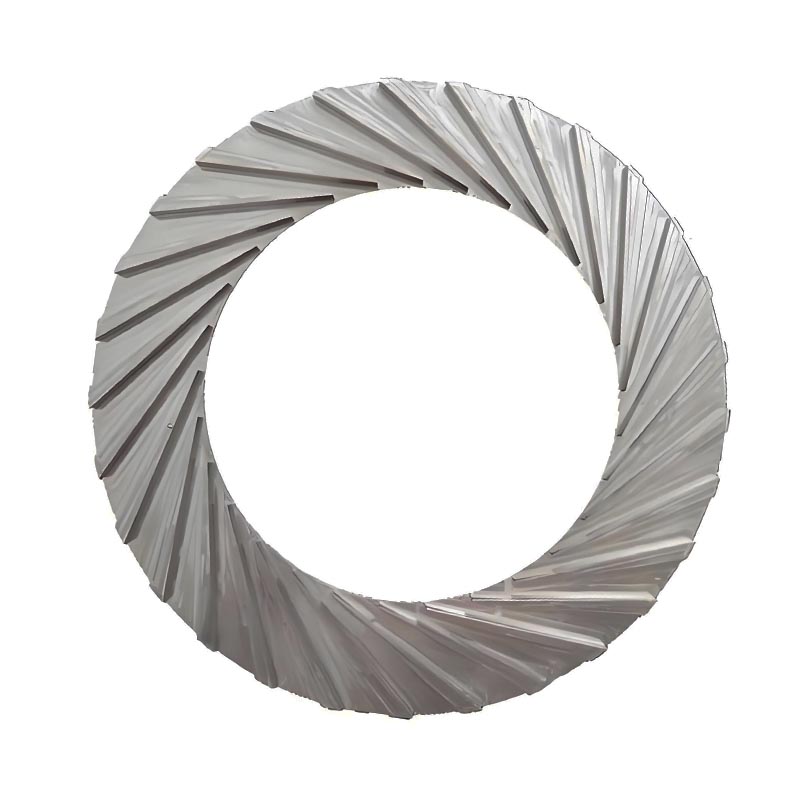
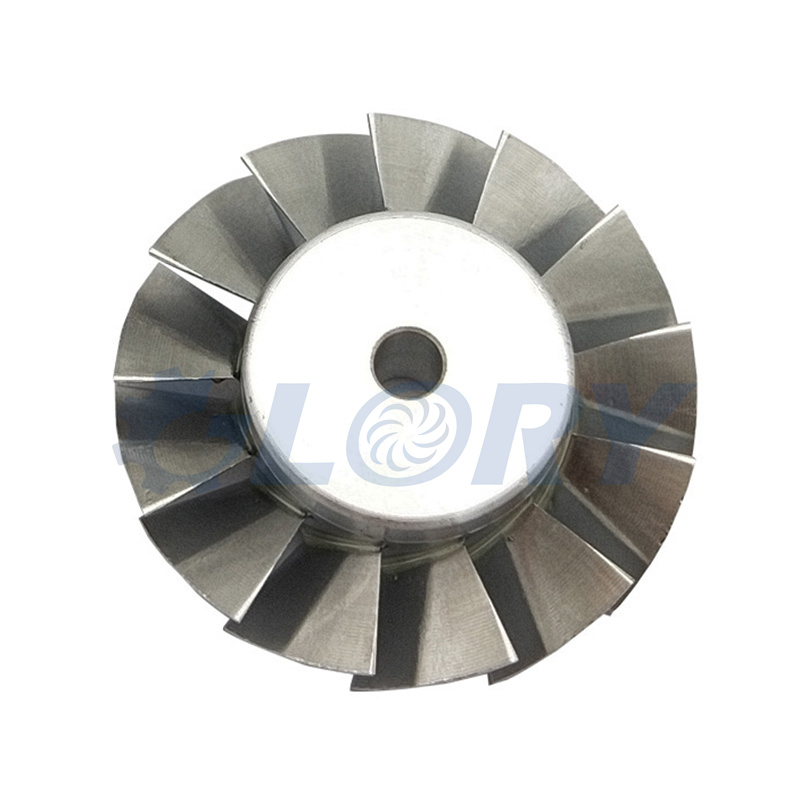
4. Foreign Trade Machining and Delivery Advantages
We specialize in export-oriented high-precision machining of 7075 aviation-grade aluminum alloy, supporting drawing and sample customization, small-batch trial production and large-scale mass production. All processing standards comply with international high-precision mechanical manufacturing specifications. We can provide complete dimension inspection reports, surface quality test reports and material certification documents to support overseas customer auditing and customs clearance. We provide professional export shockproof packaging, moisture-proof and anti-deformation packaging solutions to avoid product damage and stress deformation during long-distance sea transportation. Relying on mature 7075 stress control technology, ultra-high processing precision and stable batch quality, we solve the core pain points of high-strength aluminum parts such as easy deformation, fast tool wear and unstable tolerance, providing global clients with high-reliability one-stop aluminum alloy precision machining services.
 We provide custom machined parts, 5-axis linkage CNC machining, and the design, production, and assembly of machinery and equipment.