
Precision CNC Milling Stainless Steel Parts in China
Expert Stainless Steel CNC Milling Services
Our advanced CNC milling capabilities specialize in producing high-precision stainless steel components with complex geometries for demanding applications across aerospace, medical, automotive, and industrial sectors. With decades of machining expertise, we deliver exceptional quality parts that meet the most stringent tolerances and specifications.
Multi-Axis Machining Technology
Our facility is equipped with state-of-the-art 3-axis, 4-axis, and 5-axis CNC milling centers capable of handling complex geometries and tight tolerances up to ±0.01mm.
Material Expertise
We have extensive experience machining all grades of stainless steel, from standard 304 and 316 to precipitation-hardening grades like 17-4PH and specialty alloys.
Quality Assurance
Every component undergoes rigorous inspection using CMM, optical comparators, and surface roughness testers to ensure compliance with your specifications.
Our CNC Milling Process
Design Review
Our engineers analyze your design for manufacturability and suggest optimizations for milling operations.
Fixture Design
Custom fixtures are designed to securely hold the workpiece during complex milling operations.
CNC Programming
Our programmers create efficient toolpaths using advanced CAM software optimized for stainless steel.
Precision Milling
Components are machined with strict process controls and real-time monitoring of cutting conditions.
Quality Inspection
Comprehensive dimensional verification and surface finish analysis using precision measuring equipment.
Common CNC Milled Stainless Steel Parts We Produce
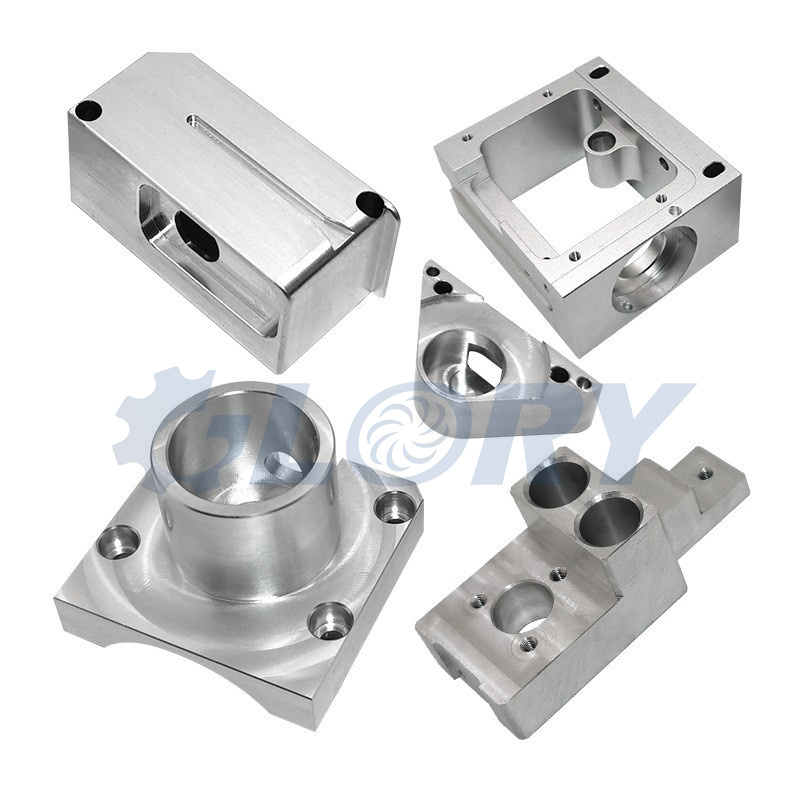
Precision Aluminum Components
Complex aluminum parts with intricate features and tight tolerance requirements for various industries.
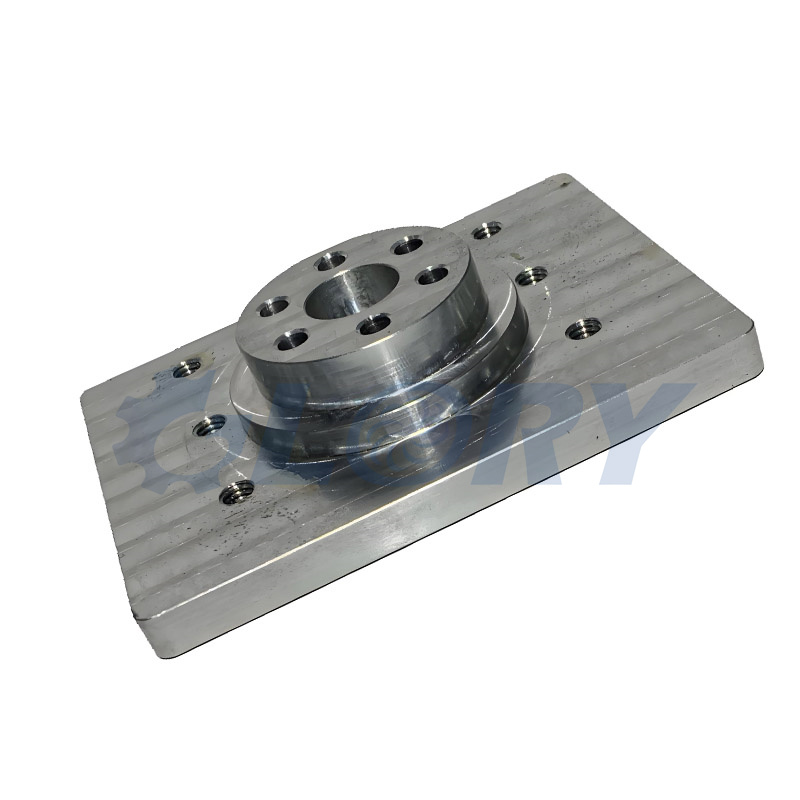
Medical Equipment Components
Precision stainless steel parts for medical cabinets and equipment with complex geometries.
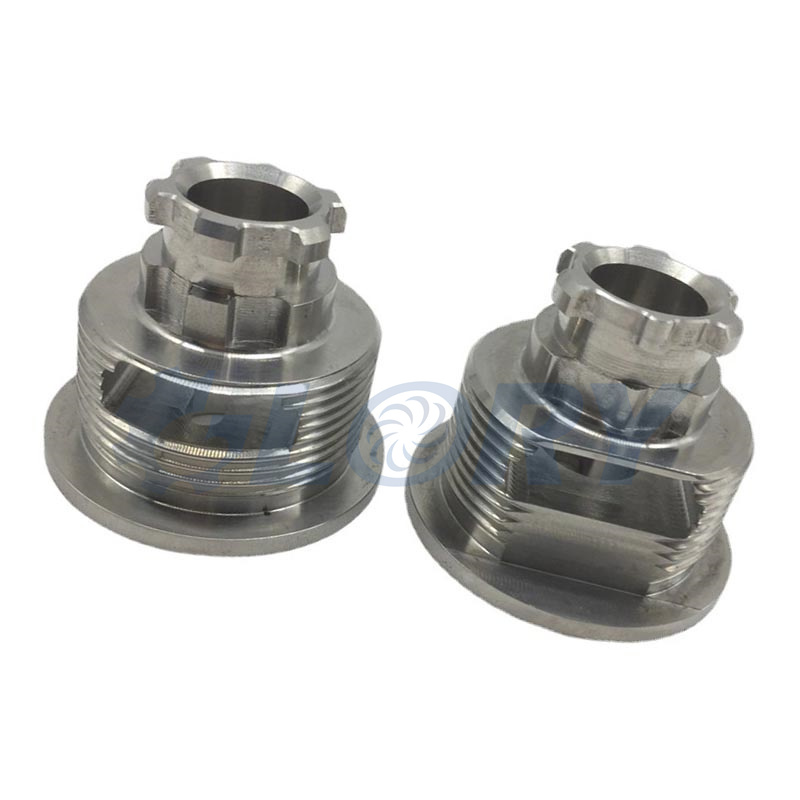
Steel Connecting Components
High-strength steel connecting parts with precise interfaces for mechanical assemblies.
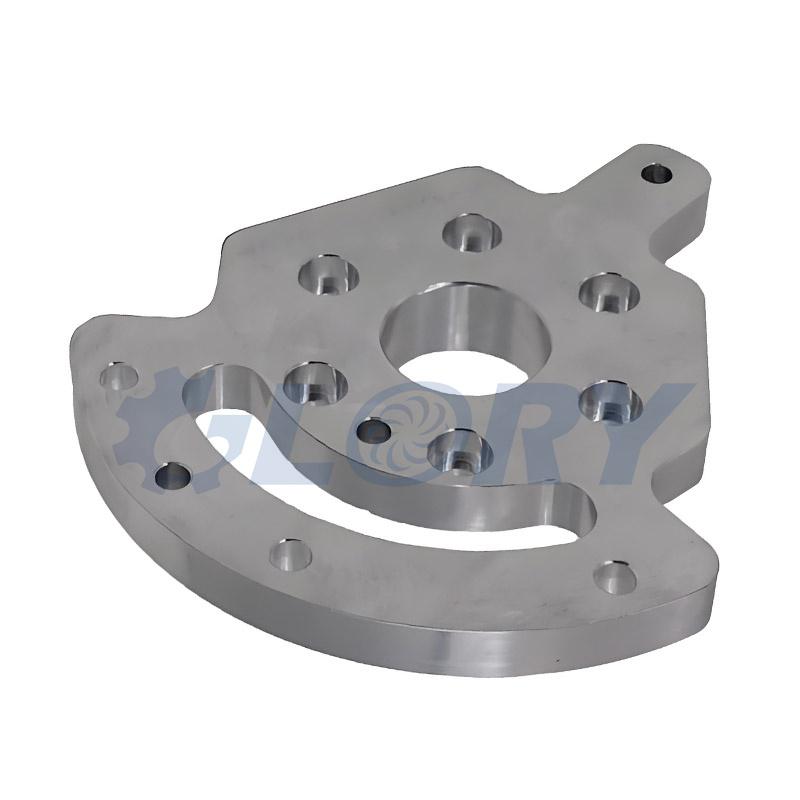
Special Shape Guide Rails
Custom-profile steel guide rails with precision ground surfaces for linear motion systems.
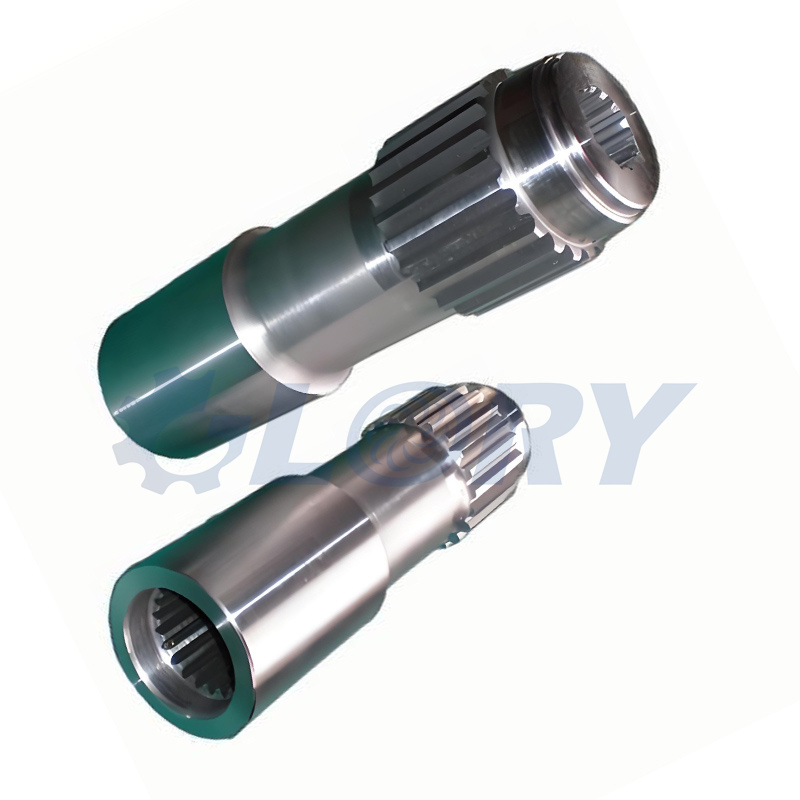
Internal Spline Hollow Shafts
Hollow shafts with precision internal splines for torque transmission in compact assemblies.
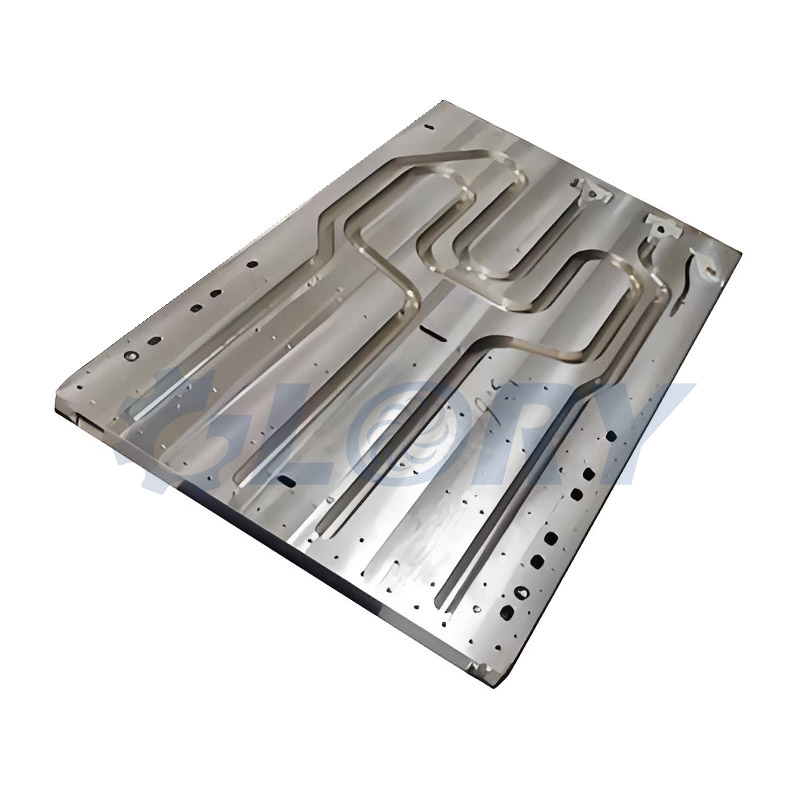
Aluminum Cooling System Components
Custom aluminum cooling plates and covers with complex internal channels for thermal management.
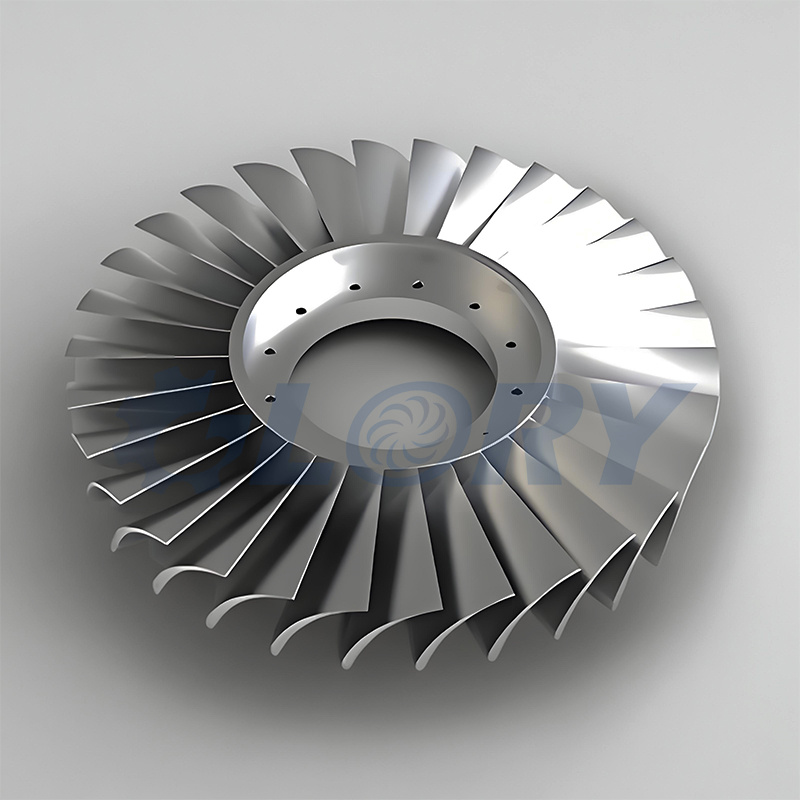
Titanium UAV Impellers
High-performance titanium impellers for unmanned aerial vehicles with complex aerodynamic profiles.
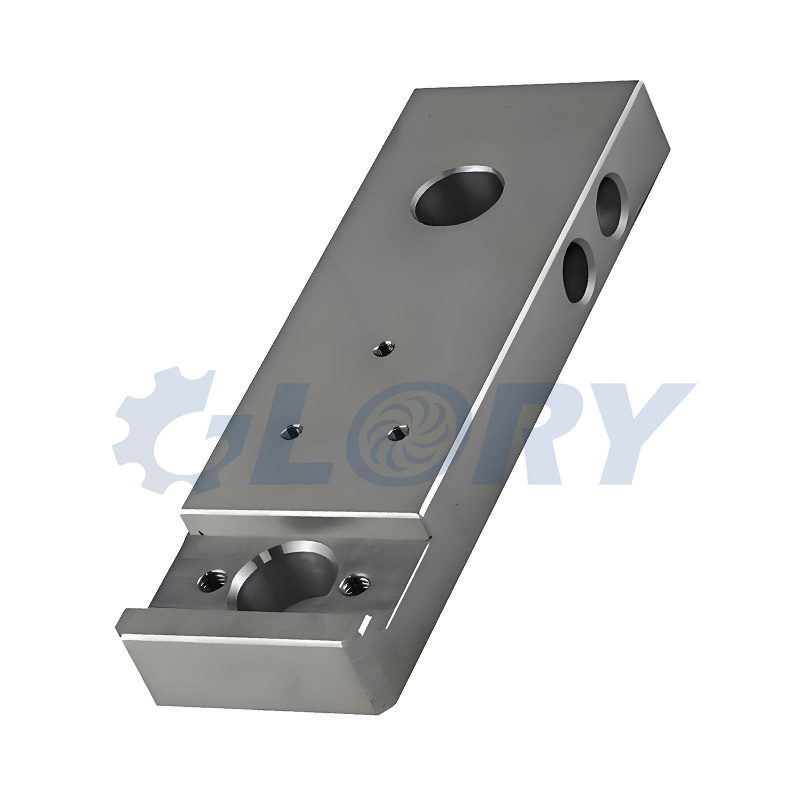
Steel Sliding Blocks
Precision steel sliding blocks with smooth surfaces and accurate dimensions for linear guides.
CNC Milling Operations We Perform
Face Milling
Creating large flat surfaces with excellent surface finish using specialized face mills with multiple cutting edges.
- Surface finishes down to 0.8μm Ra
- Large area coverage in single passes
- Minimal setup time for flat surfaces
Profile Milling
Creating complex external and internal contours using ball nose and corner radius end mills.
- 3D contouring capabilities
- Complex geometry reproduction
- High precision edge definition
Pocket Milling
Removing material from enclosed areas with precise depth control and corner cleaning operations.
- Various pocket shapes and sizes
- Accurate depth control
- Clean internal corners
Drilling & Tapping
Creating precise holes and threads with specialized tooling for stainless steel applications.
- Through and blind holes
- Thread sizes from M2 to M30
- Peck drilling for deep holes
3+2 Axis Milling
Complex multi-sided machining with fixed angular positions to access difficult-to-reach features.
- Reduced setups
- Improved accuracy
- Complex part capability
5-Axis Simultaneous Milling
Full 5-axis machining for the most complex geometries with continuous tool orientation control.
- Single setup complex parts
- Optimal tool access
- Superior surface finishes
Stainless Steel Materials We Mill
| Material Grade | Machinability Rating | Key Milling Considerations | Recommended Applications |
|---|---|---|---|
| 304 / 304L | Medium | Prone to work hardening; requires sharp tools and consistent feeds | Food processing equipment, chemical containers, architectural panels |
| 316 / 316L | Medium-Difficult | Higher strength and work hardening tendency; needs rigid setup | Marine components, pharmaceutical equipment, chemical processing parts |
| 303 | Good | Free-machining grade; allows higher speeds and feeds | Fasteners, fittings, shafts, valve components |
| 410 | Medium | Abrasive when hardened; requires appropriate tool coatings | Valve components, pump parts, cutlery, fasteners |
| 416 | Excellent | Best machinability among stainless steels; high production rates possible | Screws, gears, shafts, valve parts |
| 17-4PH | Medium-Difficult | Hardness varies with heat treatment; requires adaptive machining strategies | Aerospace components, nuclear reactor parts, pump shafts |
| 15-5PH | Medium-Difficult | Similar to 17-4PH with improved toughness; stable machining parameters | Aerospace and defense components, high-strength fittings |
| 2205 Duplex | Difficult | High strength and work hardening; requires conservative parameters | Chemical processing equipment, oil and gas components |
Technical Specifications & Capabilities
Maximum Part Size
Up to 1000mm x 800mm x 600mm (X, Y, Z)
Positioning Accuracy
±0.005mm across full travel
Repeatability
±0.002mm
Surface Finish
0.4μm to 3.2μm Ra depending on operation
Spindle Power
15kW to 40kW depending on machine
Spindle Speed
Up to 24,000 RPM (high-speed options available)
Tool Capacity
60 to 240 tools depending on machine configuration
Production Volume
Prototype (1-5 pieces) to high-volume production (5,000+ pieces)
Stainless Steel Milling Challenges & Solutions
Work Hardening Management
Stainless steel has a strong tendency to work-harden during milling, particularly with interrupted cuts, which can lead to rapid tool wear, poor surface finish, and dimensional inaccuracies.
Our Approach: We use sharp cutting tools with specialized geometries and coatings designed specifically for stainless steel milling. Our machining parameters are optimized to maintain consistent chip loads and prevent excessive work hardening. We employ climb milling techniques and avoid dwelling to minimize work hardening effects.
Heat Control Strategies
The low thermal conductivity of stainless steel causes heat to concentrate at the cutting edge rather than being carried away with chips, potentially affecting part quality, dimensional stability, and tool life.
Our Approach: We utilize high-pressure coolant systems with specialized coolant formulations for stainless steel. Our toolpaths are programmed to ensure adequate cooling time, and we implement adaptive clearing strategies that vary chip thickness to manage heat generation. For particularly challenging operations, we may use compressed air or minimum quantity lubrication (MQL) systems.
Chip Control & Evacuation
Long, stringy chips common in stainless steel milling can wrap around tools and workpieces, causing surface damage, tool breakage, and potential machine downtime.
Our Approach: We employ chip-breaking tool geometries and optimize feed rates and depths of cut to produce small, manageable chips. Our CNC programs include chip-breaking cycles, and we use high-pressure coolant to effectively evacuate chips from the cutting zone. For deep pocket milling, we implement specialized chip evacuation strategies.
Vibration & Chatter Control
The high cutting forces required for stainless steel milling can lead to vibration and chatter, affecting surface finish and dimensional accuracy.
Our Approach: We use rigid toolholders (such as hydraulic and shrink-fit holders), maintain optimal tool extension, and implement variable spindle speed programming to disrupt harmonic vibrations. Our fixtures are specifically designed to maximize workpiece stability during milling operations.
Milling vs. Turning for Stainless Steel Parts
| Feature | CNC Milling | CNC Turning |
|---|---|---|
| Primary Geometry | Complex 3D shapes, contours, pockets | Rotational symmetric parts |
| Setup Complexity | Multiple setups often required for complex parts | Generally simpler setups |
| Material Removal Rate | Lower for complex geometries | Typically higher for simple geometries |
| Surface Finish Capability | Excellent on flat and contoured surfaces | Excellent on cylindrical surfaces |
| Tolerance Capability | ±0.01mm typical, ±0.005mm possible | ±0.005mm typical, ±0.002mm possible |
| Tooling Costs | Generally higher due to variety of tools needed | Lower for standard turning operations |
| Best For | Complex housings, brackets, plates with multiple features | Shafts, bushings, fittings, rotational components |
Industries We Serve
Industrial Machinery
Precision components for machinery frames, mounting plates, gearboxes, and automation equipment requiring complex geometries and tight tolerances.
Fluid Power & Pumps
Complex valve bodies, pump housings, manifolds, and fluid handling components with intricate internal passages.
Aerospace & Defense
Structural components, mounting brackets, and housings for aircraft systems requiring high strength-to-weight ratios and precision.
Medical & Surgical
Precision surgical instrument components, medical device housings, and implantable device parts with complex geometries.
About Us
 We provide custom machined parts, 5-axis linkage CNC machining, and the design, production, and assembly of machinery and equipment.