
304 stainless steel is the most widely used material for export mechanical components. It boasts outstanding corrosion resistance, oxidation resistance, medium strength and excellent ductility, making it applicable to food machinery, fluid pipeline accessories, medical equipment, construction hardware, petrochemical and automation equipment, with large export volumes to Europe, Southeast Asia, the Middle East and other markets. However, 304 stainless steel has obvious machining drawbacks: high toughness, strong work hardening tendency, easy built-up edge on cutting tools, and risk of surface pulling, burrs and dimensional instability during deep cutting. As a foreign trade machining enterprise focusing on precision custom parts and mass production, we adjust cutting parameters according to workpiece structures and international standards to deliver stable, high-precision 304 stainless steel machined parts. This article mainly introduces core machining procedures, solutions to common processing defects and real overseas cooperation cases.
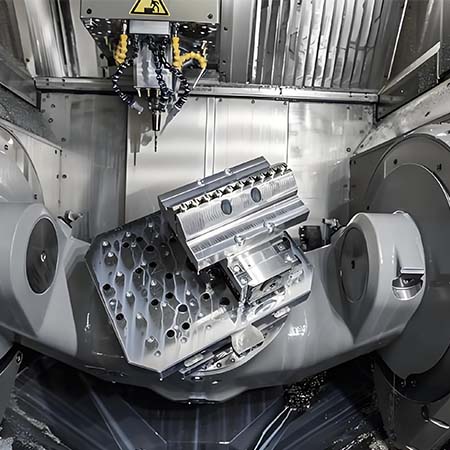
1. Core Machining Processes for 304 Stainless Steel
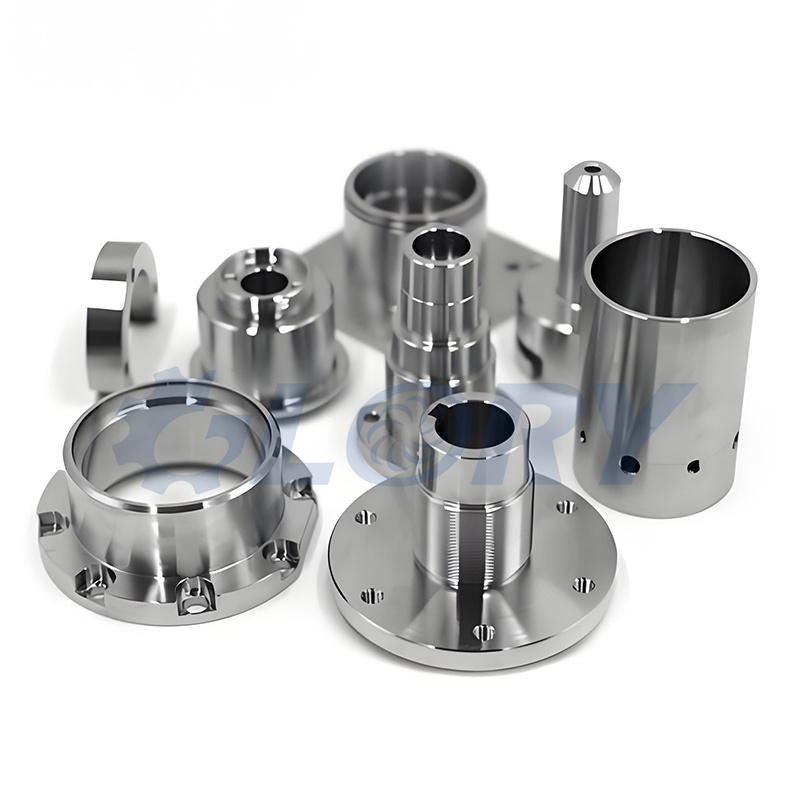
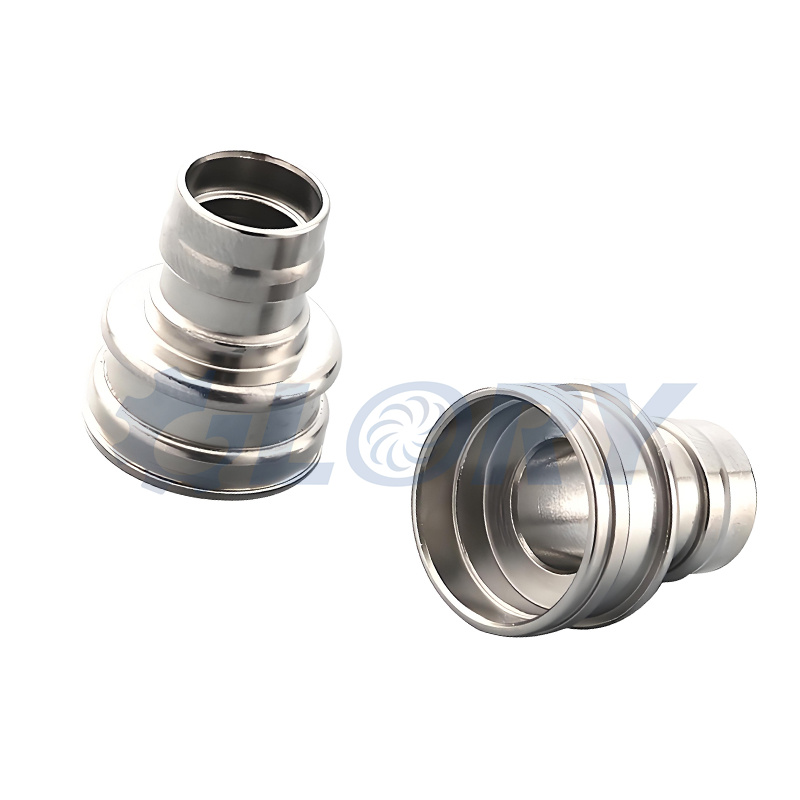
We provide full-service deep machining for 304 stainless steel bars, sheets, tubes and forgings, covering CNC turning, milling, drilling, tapping, boring, slotting, chamfering, wire cutting, surface grinding and precision deburring. We manufacture standard fasteners, non-standard structural brackets, fluid valve bodies, equipment shafts, connecting fittings and pressure-resistant accessories in strict accordance with customer drawings and samples, fully complying with ISO, DIN and ANSI international export tolerance standards.
1.1 Precision CNC Turning
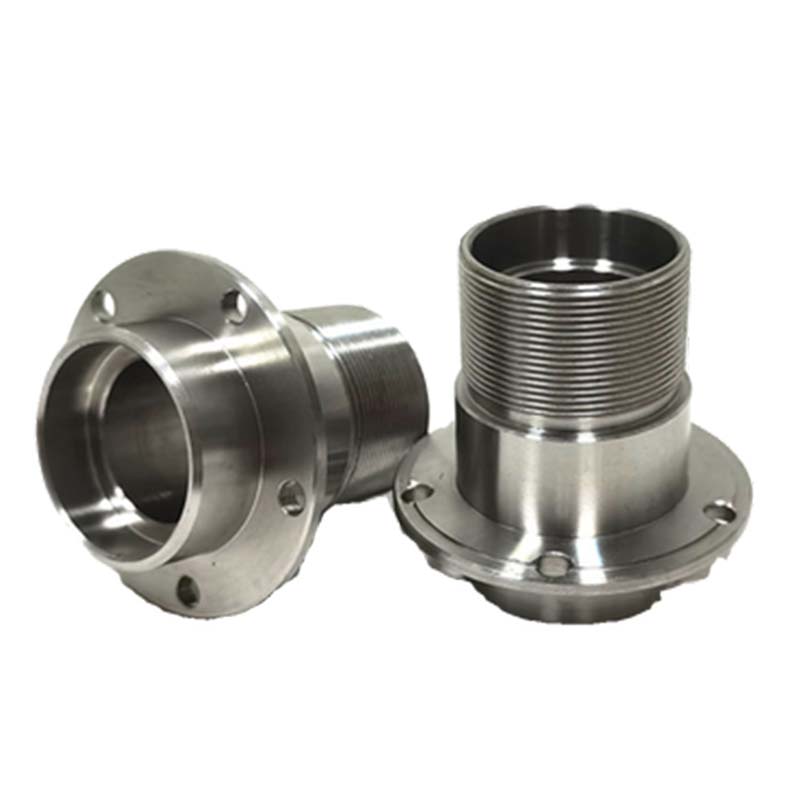
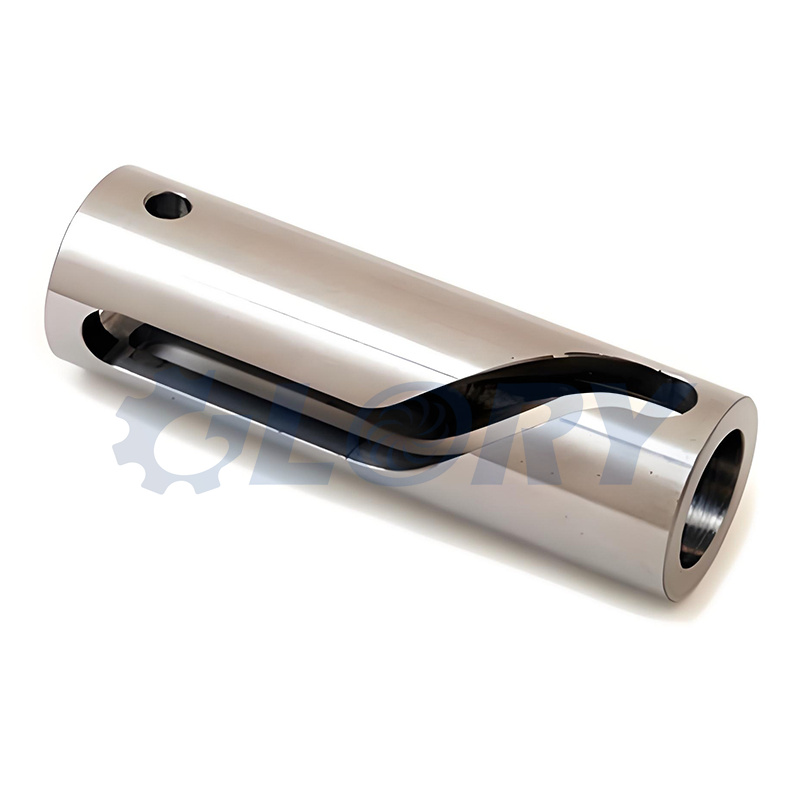
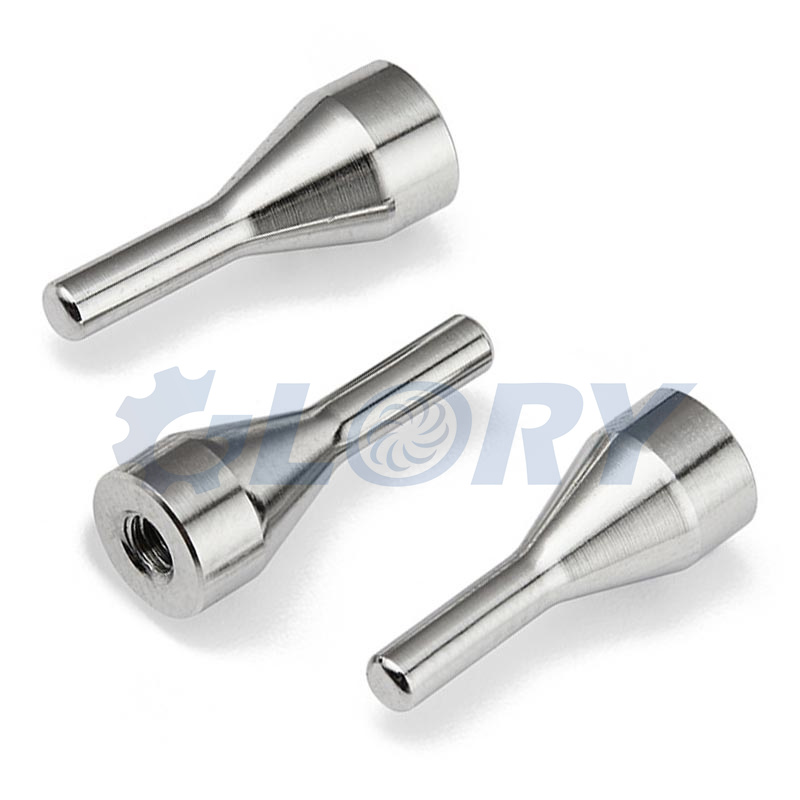
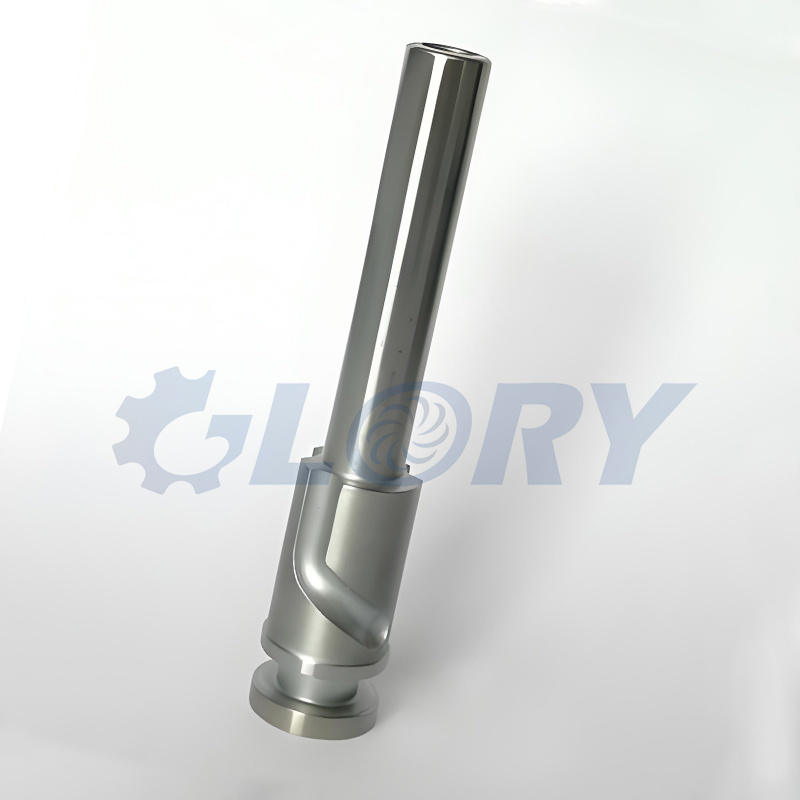
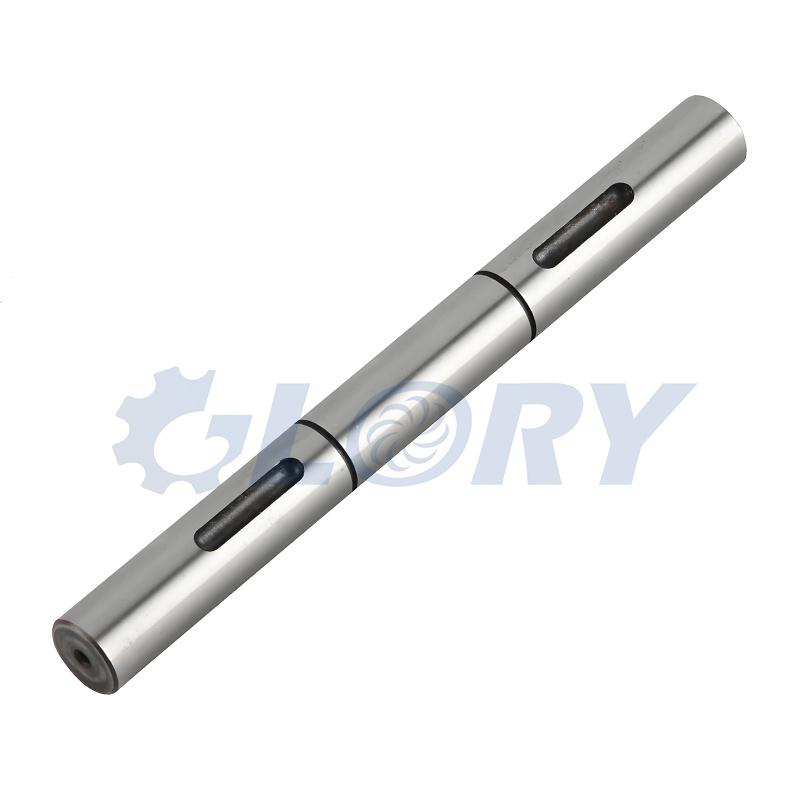
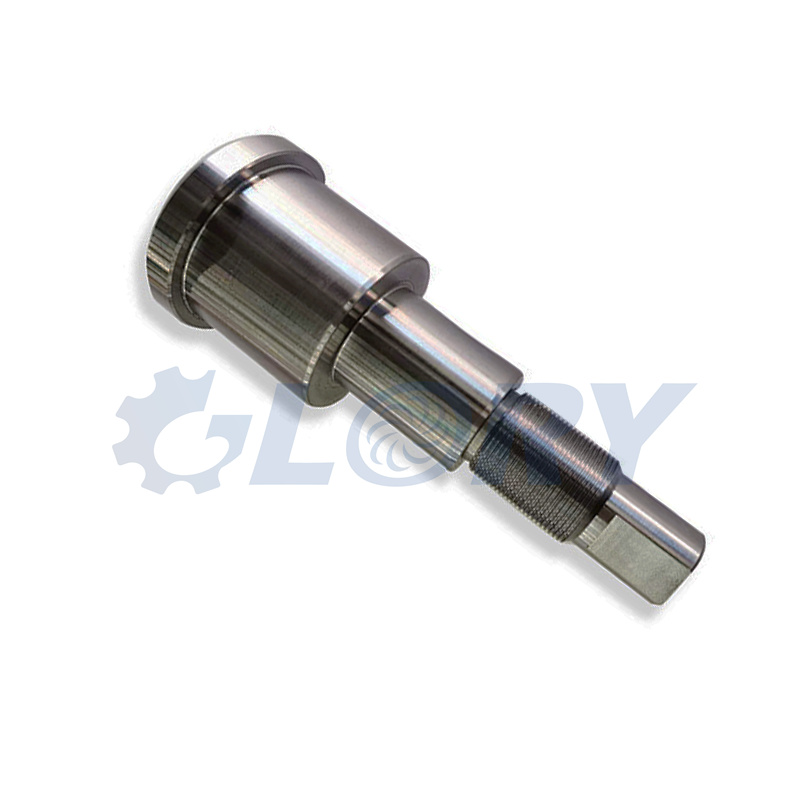
CNC lathes are used for rotary parts including stainless steel sleeves, flanges, shaft pins, hollow pipe joints and stepped shafts. 304 stainless steel easily sticks to cutting tools and generates tough burrs due to work hardening. We adopt coated carbide cutting tools paired with low-speed, moderate-feed cutting and adequate cooling fluid to eliminate built-up edges and surface tearing. For export high-precision workpieces, the concentricity of inner and outer circles and perpendicularity of end faces are tightly controlled. General parts maintain tolerance within ±0.03mm, while ultra-precision matching parts reach ±0.015mm. We adjust cutting depth separately for thin-wall tubes and solid thick shafts to prevent workpiece vibration, chatter marks and dimensional out-of-tolerance during mass production.
1.2 CNC Milling & Complex Profile Machining
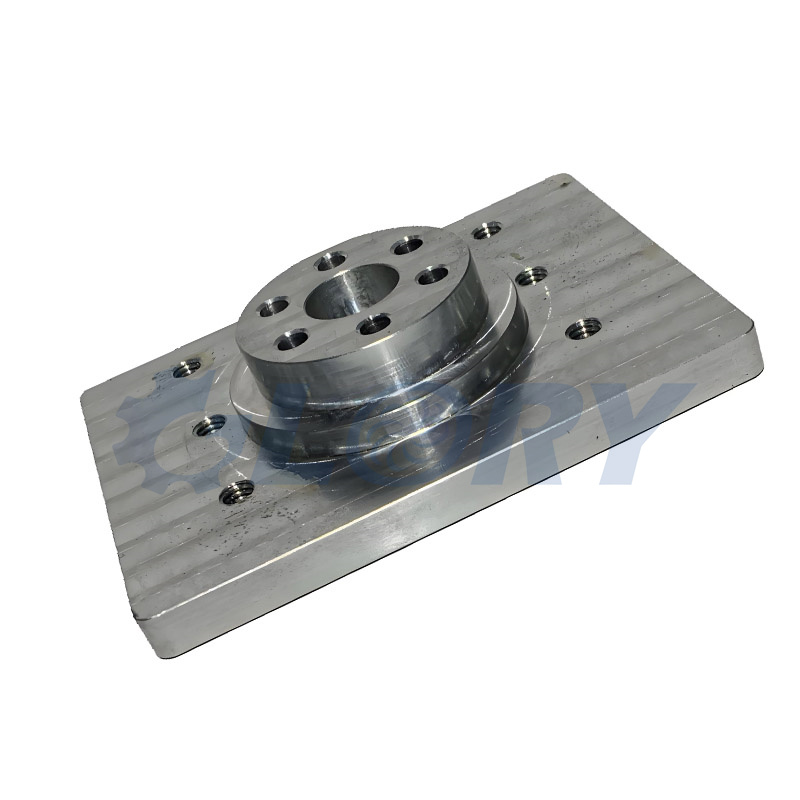
Vertical machining centers process complex structural parts such as equipment bases, clamping brackets, pump housings and conveyor clamps, carrying out face milling, contour milling, deep slotting and angle cutting. Deep milling of 304 stainless steel accumulates massive cutting heat, which accelerates tool wear and causes workpiece thermal deformation, especially thin plate and thin-wall parts prone to bending after clamping. We adopt layered milling with small cutting depth per pass and continuous flood cooling to control temperature rise. Custom flexible fixture tooling is used for thin-wall components to avoid clamping deformation, ensuring consistent flatness and dimensional uniformity across bulk orders.
1.3 Drilling & Precision Tapping
Drilling and tapping are essential procedures for export assemblies, yet 304 stainless steel often leads to rough hole walls, skewed hole positions, broken taps and incomplete threads. For through holes, counterbores and deep blind holes, we implement pilot hole pre-drilling and segmented drilling to guarantee aperture accuracy. For M2 to M24 internal threads, high-performance stainless steel special taps are selected with reduced rotation speed to avoid tap breakage caused by material work hardening. All threaded products pass go/no-go gauge inspection to guarantee tight assembly without thread slipping for overseas end users.
1.4 Wire Cutting, Grinding & Post-Processing
Wire EDM handles ultra-thin slits, small special-shaped cavities and precision mold inserts that conventional cutting cannot process. Surface grinding removes tool marks and uneven surfaces to achieve smooth finish required by food and medical equipment exports. All finished parts go through full deburring, sharp edge rounding and passivation treatment as required, which improves corrosion resistance and eliminates scratch risks during assembly. Stress relief heat treatment is available upon request to remove internal machining stress and prevent long-term deformation after delivery to overseas warehouses.
2. Common 304 Stainless Steel Machining Difficulties & Countermeasures
From years of foreign trade production experience, the main processing challenges of 304 stainless steel focus on tool wear, work hardening, surface defects and thermal deformation.
- Work hardening & tool adhesion: Constant cooling fluid and coated cutting tools reduce friction and avoid built-up edges scratching workpiece surfaces.
- Thermal deformation: Layered light cutting restricts heat accumulation; post-machining natural aging stabilizes dimensions.
- Thin-wall bending deformation: Low-pressure flexible fixtures disperse clamping force to eliminate indentation and bending.
- Unstable batch quality: Strict first-piece inspection, hourly in-process sampling and 100% finished dimension inspection are implemented for all export orders to keep defective rates extremely low.
3. Practical Foreign Trade Machining Cases
Case 1: Mass Production of 304 Stainless Steel Valve Fittings for European Fluid Equipment
Our partner is a fluid equipment distributor based in Germany, purchasing large batches of 304 stainless steel valve bodies and pipe connectors for water treatment equipment. The client’s key requirements: high dimensional consistency, smooth inner flow channels, no burr residues, stable corrosion resistance and compatibility with automated assembly lines. The previous supplier suffered frequent issues including uneven inner surface burrs, thread out-of-tolerance and slight deformation after long sea transportation.
We developed a targeted machining scheme for 304 stainless steel valve bodies: segmented deep boring for inner flow channels to ensure smooth surface, low-speed tapping with stainless steel special taps for uniform thread teeth, and stress relief treatment after full machining to eliminate internal stress. All products were tested with three-coordinate measuring machines for dimensional verification. The order contained 15,000 pieces with zero rejects, fully matching the client’s automated assembly standards. After delivery, the client reported zero leakage during pressure testing and stable long-term service performance. We have maintained continuous repeat orders and become their exclusive fixed machining supplier for stainless steel fluid parts.
Case 2: Custom Machining of Special-Shaped 304 Stainless Steel Brackets for Southeast Asian Food Packaging Machinery
The customer is a food packaging machinery manufacturer from Vietnam, requiring multiple sets of non-standard 304 stainless steel mounting brackets with small-batch, multi-specification demands. The components feature complex curved profiles, multiple deep counterbore holes, threaded holes and thin-wall connecting sections, which are highly susceptible to vibration chatter and tap breakage during processing. Food-grade standards were mandatory: smooth surface without burrs, no sharp corners and excellent rust resistance under humid production environments.
To resolve thin-wall deformation and deep-hole tapping difficulties, we split the machining process into roughing and finishing, adopted low-feed layered milling, and designed dedicated positioning fixtures to guarantee hole spacing precision. All internal threads passed go/no-go gauge testing, and final passivation treatment was added to meet food machinery hygiene standards. All finished brackets had precise hole alignment with zero assembly errors. Installed on packaging lines, the parts resist humid workshop corrosion effectively and have a far longer service life than the client’s previous carbon steel alternatives, cutting the customer’s component replacement cost by over 35%.
4. Advantages of Our Foreign Trade Machining & Delivery
We specialize in export-oriented 304 stainless steel precision machining, supporting drawing/sample customization, small trial orders and mass bulk production. All processes comply with international tolerance and food/medical corrosion resistance standards. We can supply formal dimension inspection reports, surface finish test certificates and material certification (3.1 MTR) for customs clearance. Custom export packaging, anti-rust oil coating and private labeling services are available as requested. Relying on mature stainless steel cutting technology, stable product yield and punctual delivery cycles, we effectively resolve overseas buyers’ core troubles including poor surface quality, unstable precision and delayed shipments of stainless steel machined parts.
 We provide custom machined parts, 5-axis linkage CNC machining, and the design, production, and assembly of machinery and equipment.