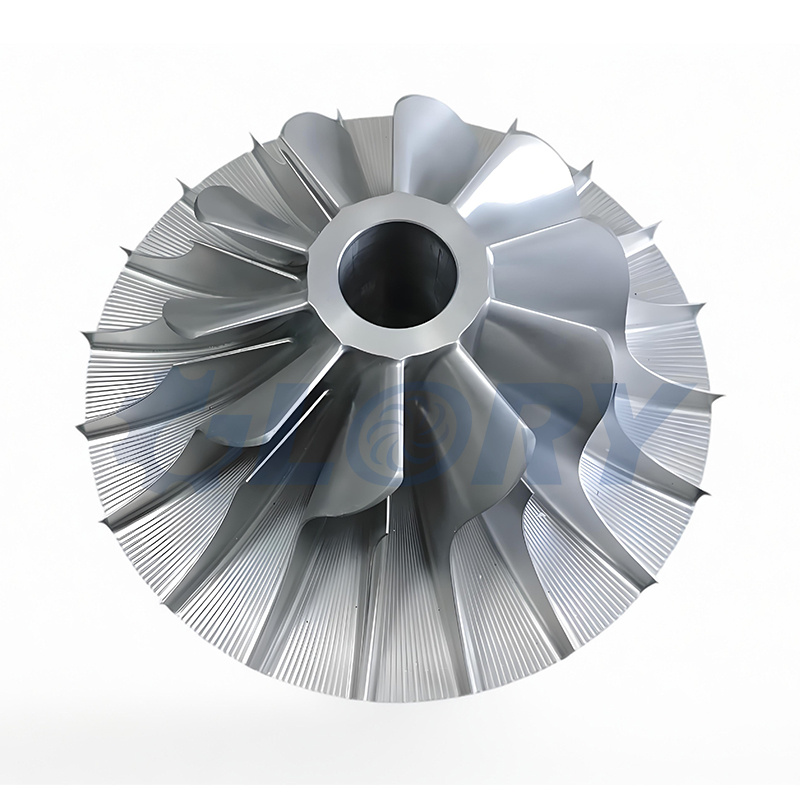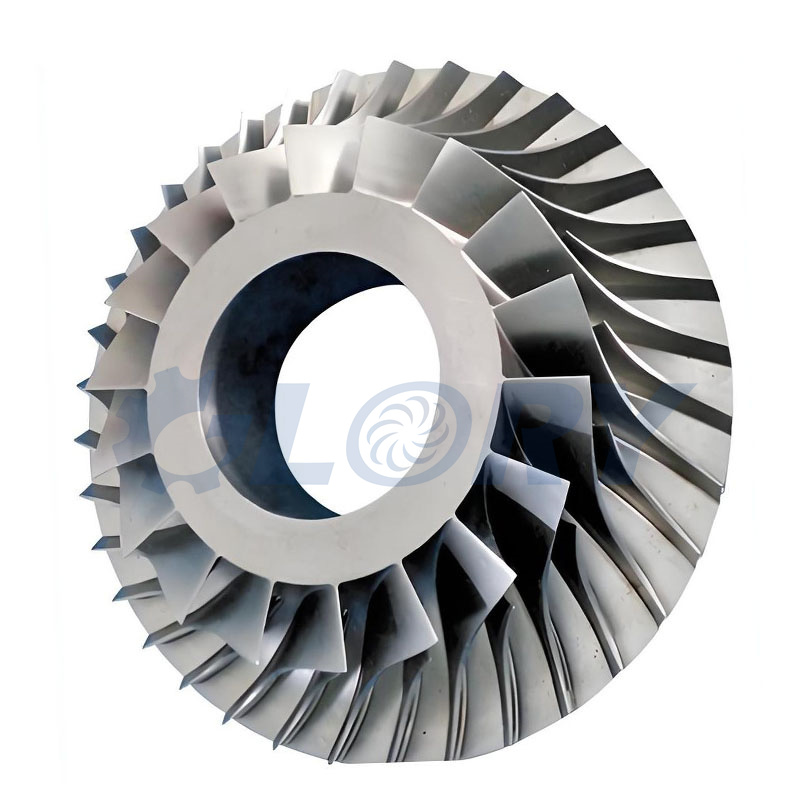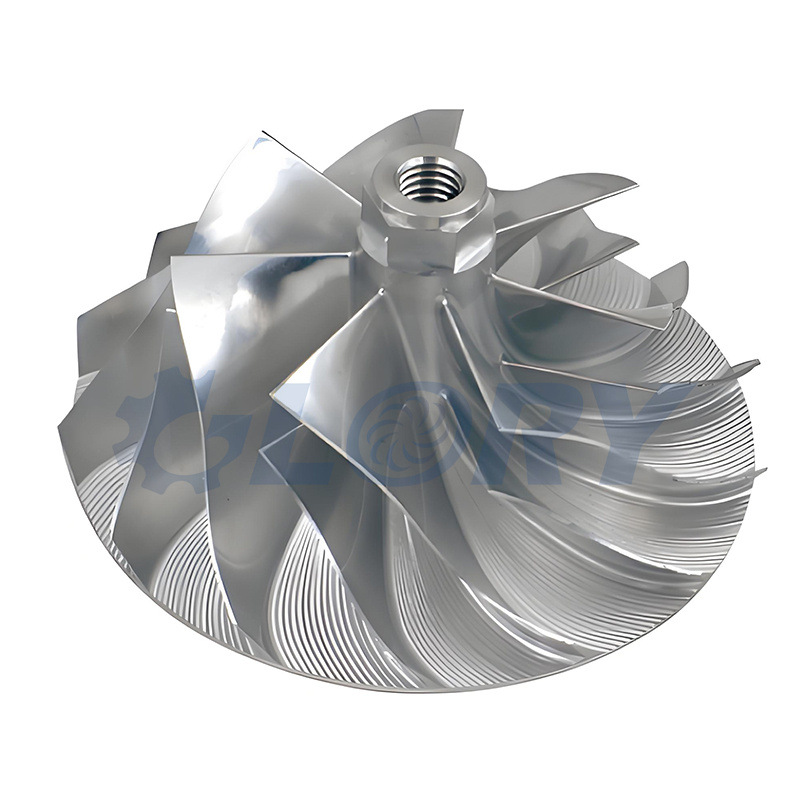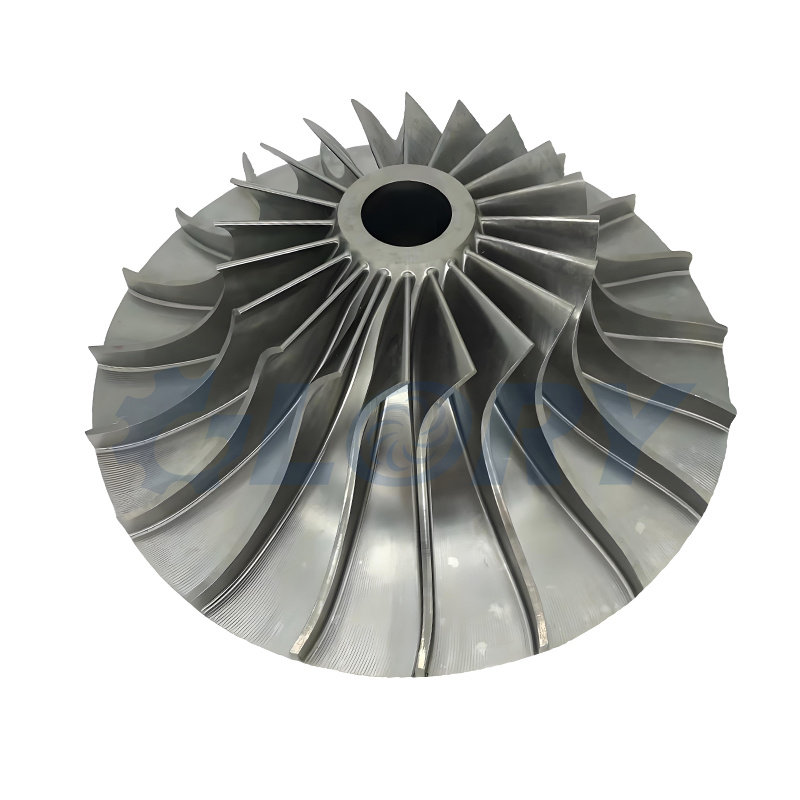
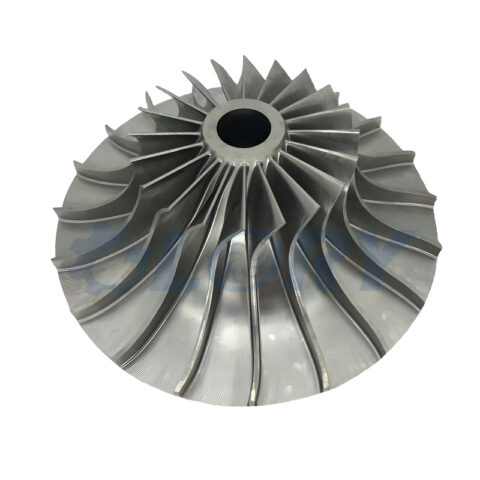
Precision Five-Axis Linkage CNC Machining of Impellers

5-axis CNC Machining Process. Material: Stainless Steel (304/316/316L) Titanium Alloy (Ti-6Al-4V) Aluminum Alloy (6061-T6/7075) Nickel-Based Alloy (Inconel 718) Brass/ Bronze Engineering Plastics (PEEK/POM)

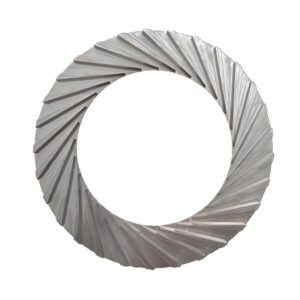
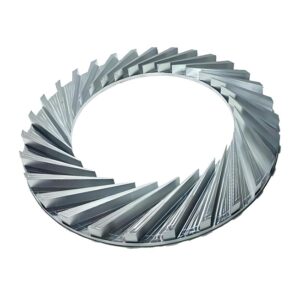
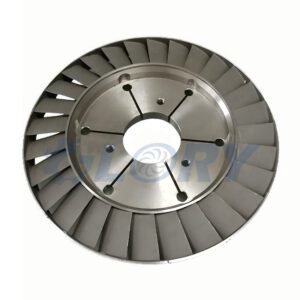
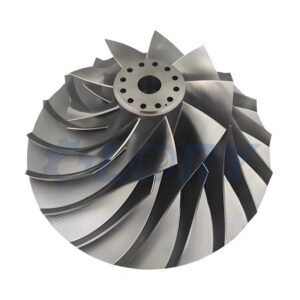
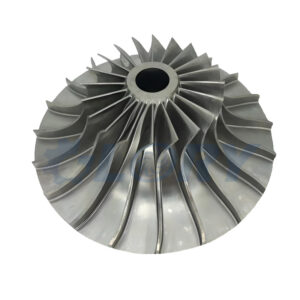
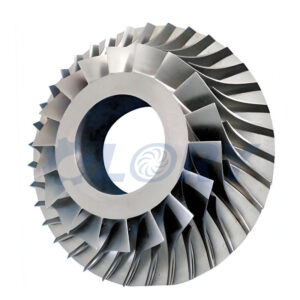
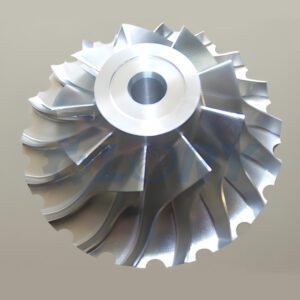
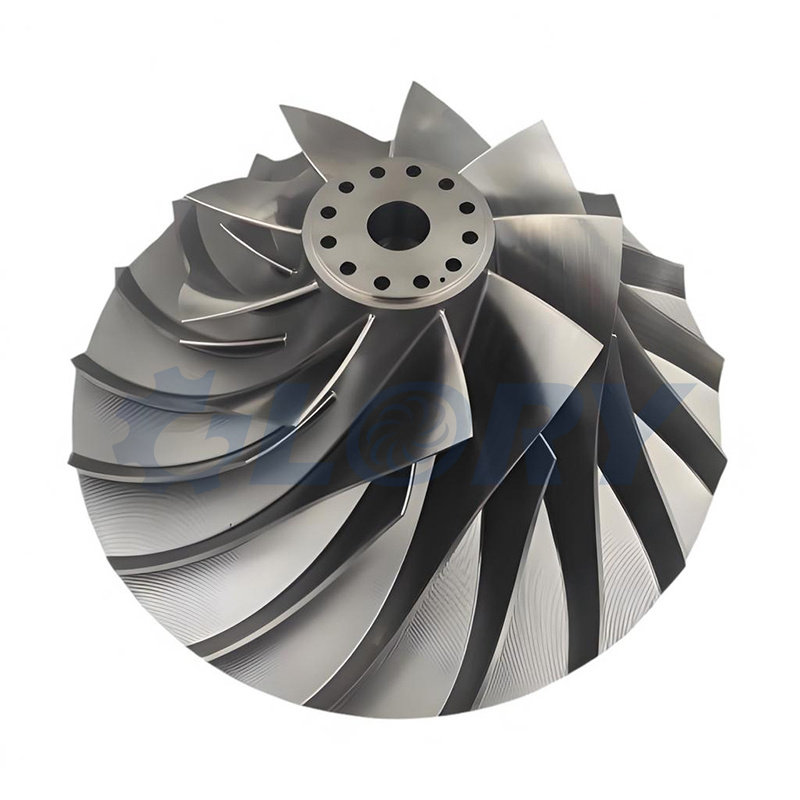
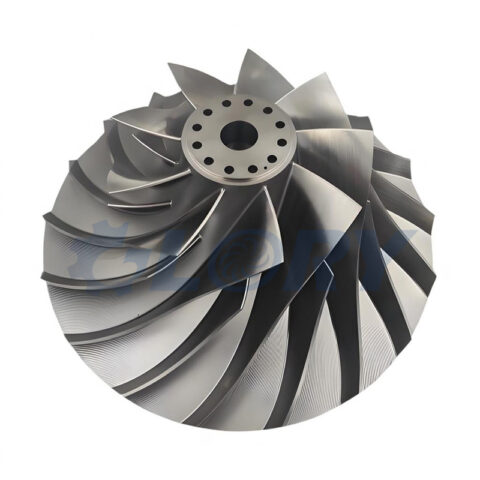
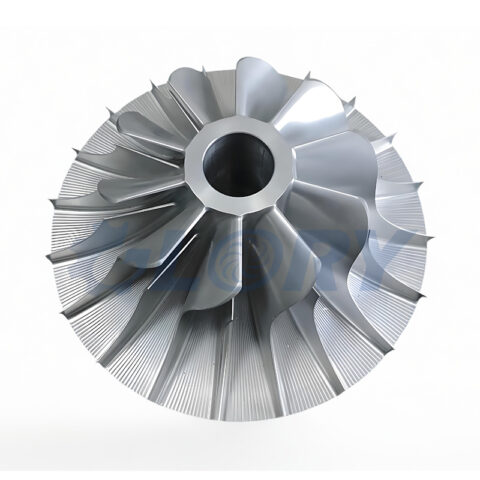
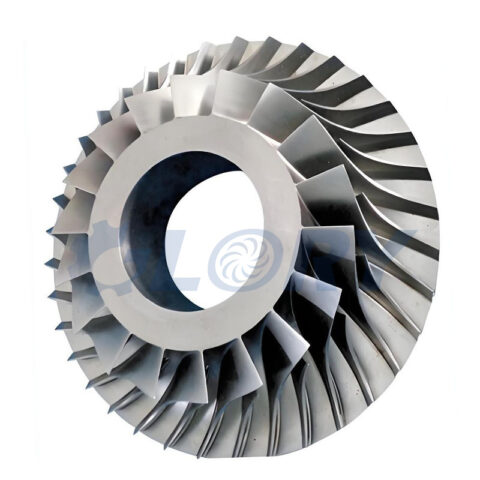
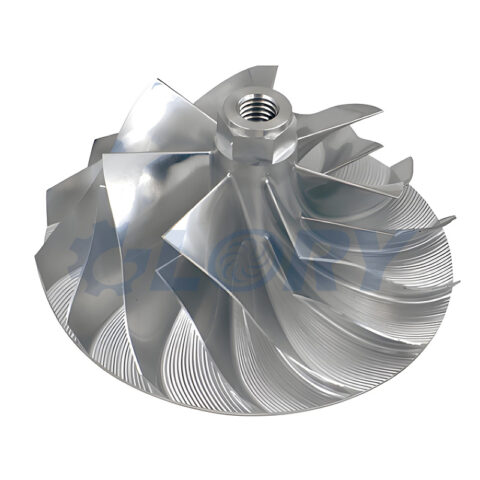
The impeller assemblies are highly sophisticated, particularly the contoured, spiral-shaped blades, necessitating extreme precision and intricate machining operations.
Five-axis CNC machining is utilized. Every blade features an elaborate,
three-dimensional curved geometry. Real-time tool orientation control across multiple axes is imperative.
Traditional three- or four-axis machining equipment cannot attain consistent, high-quality blade fabrication.
For deep internal cavities and undercut features that are hard to machine, sinker electro-discharge machining (EDM) is often implemented.

Five-Axis CNC Machined Impellers: Application Scenarios

Five-axis CNC machining stands as the cornerstone of high-precision impeller manufacturing, uniquely suited to address the complex 3D curved surfaces, twisted blade geometries, and tight tolerance requirements of custom impellers across critical industrial sectors.
In the aerospace industry, five-axis machined impellers are integral to aircraft engine systems and auxiliary power units (APUs). Operating under extreme conditions of high rotational speed (up to tens of thousands of RPM) and elevated temperatures, these impellers demand micron-level precision (±0.005mm) to ensure aerodynamic efficiency and structural integrity—standards only achievable through five-axis simultaneous machining, which eliminates the inaccuracies of multi-setup processing and delivers consistent blade-to-blade uniformity.
Within the petrochemical sector, five-axis machining produces impellers for centrifugal pumps used in oil/gas extraction, refining, and pipeline transfer. These impellers feature deep internal cavities, undercut flow channels, and corrosion-resistant nickel-based alloy (Inconel 718) construction; five-axis tool orientation control enables access to hard-to-reach internal structures, optimizing fluid flow dynamics and reducing energy loss in high-pressure, corrosive operating environments.
For the new energy industry, wind, hydro, and hydrogen energy systems rely on five-axis machined impellers for turbines and compressors. Large-diameter (up to 2m) lightweight aluminum/titanium impellers require seamless curved surface machining to minimize aerodynamic drag—five-axis technology ensures continuous tool path movement, preserving the integrity of the impeller’s aerodynamic profile and boosting energy conversion efficiency by up to 15% compared to conventional machining methods.
In water treatment applications, municipal and industrial water pump impellers (machined from 316L stainless steel) benefit from five-axis precision to achieve Ra 0.8 μm polished blade surfaces. This level of finish reduces sediment buildup and wear, extending impeller service life by 2–3 times while maintaining consistent flow rates in wastewater treatment, desalination, and water distribution systems.
The automotive industry leverages five-axis machining for turbocharger impellers, where compact, high-performance designs demand intricate helical blade geometries. Five-axis machining enables mass production of these small-diameter (50–150mm) impellers with repeatable precision, directly enhancing engine turbocharging efficiency and reducing emissions in passenger and commercial vehicles.
Finally, in HVAC systems (heating, ventilation, and air conditioning), five-axis machined impellers for large fans and chillers prioritize low-noise operation. By precisely shaping blade contours and optimizing airflow angles, five-axis processing minimizes turbulent airflow, cutting operational noise by 8–10 dB while improving cooling/ventilation efficiency in commercial buildings, data centers, and industrial facilities.
Across all these sectors, five-axis CNC machining’s ability to machine complex impeller geometries in a single setup eliminates rework, reduces lead times, and ensures compliance with industry-specific performance standards—making it the gold standard for custom impeller manufacturing, from prototyping to high-volume production.

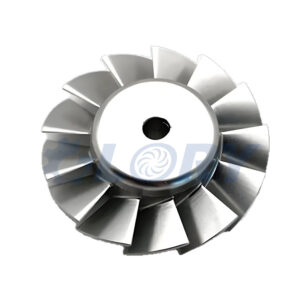
Our 5-axis CNC Machining Impeller
Necessity of Five-Axis CNC Machines in Impeller Machining

As the core component of fluid machinery, impellers are characterized by “twisted curved blades + complex internal cavity structures”, and various industries have strict requirements for their precision, efficiency and reliability. These factors directly determine that five-axis CNC machines have become the “indispensable equipment” in this field of machining. The limited degrees of freedom of traditional three-axis and four-axis machine tools can no longer meet the technical threshold of impeller machining. The necessity of five-axis linkage is concentrated in three dimensions: solving machining pain points, ensuring core performance, and adapting to industry needs.
From the perspective of machining pain points, the “spatial twisted + variable curvature” feature of impeller blades is the primary challenge. The profile of such blades is not a simple two-dimensional extension, but presents a complex spiral gradient along the axis. Moreover, the flow channels between adjacent blades are narrow, which is prone to machining interference. Relying on the multi-degree-of-freedom linkage capability of “X/Y/Z linear axes + A/C rotary axes”, five-axis CNC machines can realize real-time follow-up adjustment of the tool around the impeller axis and blade surface. This allows the cutting tool to always fit the blade surface at the optimal angle, which not only avoids the interference problem caused by the “multi-process clamping” of traditional three-axis machine tools, but also eliminates the profile error caused by the “inability to synchronize rotary axes and linear axes” of four-axis machine tools. It can complete the machining of key parts such as blade profile, flow channel and root fillet in one go, and control the blade dimensional tolerance within ±0.005mm to meet high-precision requirements.
In terms of ensuring the core performance of the impeller, the precision control of five-axis linkage directly determines the aerodynamic efficiency and operational stability of the impeller. For the engine impellers in the aerospace field, their aerodynamic loss, vibration and noise under high rotational speeds (up to tens of thousands of RPM) are highly related to the blade profile precision. If there is a 0.1mm concave-convex error on the blade surface, it may lead to a decrease in aerodynamic efficiency by more than 10%, and even cause operational failures. Through the real-time feedback tool compensation system, five-axis CNC machines can dynamically correct the tool path during the cutting process, ensuring the smoothness and consistency of the blade profile, significantly reducing aerodynamic resistance, and at the same time reducing the dynamic balance deviation during high-speed rotation, providing core support for the safe and stable operation of the impeller.


Attribute Customization Options Technical Notes
Material
  • Stainless Steel (304/316/316L)
  • Titanium Alloy (Ti-6Al-4V)
  • Aluminum Alloy (6061-T6/7075)
  • Nickel-Based Alloy (Inconel 718)
  • Brass/ Bronze
  • Engineering Plastics (PEEK/POM)
Stainless steel for corrosion resistance; titanium/aluminum for lightweight high-strength demands; Inconel 718 for high-temperature industrial scenarios.
Surface Finish
  • Ra 0.2–Ra 3.2 μm (precision ground/polished)
  • Anodization (Aluminum alloys)
  • Passivation (Stainless steel)
  • Chrome/Nickel Plating
  • Ceramic/Teflon Coating
  • Mirror Polishing
Smoother surface (Ra ≤ 0.8 μm) reduces fluid resistance; coatings enhance wear/corrosion resistance.
Heat Treatment
  • Solution Annealing (Stainless steel/Inconel)
  • Age Hardening (Al/Ti alloys)
  • Quenching + Tempering (Carbon/Alloy steel)
  • Stress Relief Annealing
  • Nitriding (Surface hardening)
Heat treatment eliminates machining stress, improves material strength/toughness; nitriding boosts surface wear resistance for high-speed impellers.
Acceptable Drawing Formats
  • 3D Formats: STEP (.stp/.step), IGES (.iges/.igs), STL (.stl)
  • CAD Native Formats: SolidWorks (.sldprt), AutoCAD (.dwg)
  • 2D Formats: PDF (dimensioned), DXF (.dxf)
STEP/IGES are preferred for 3D machining compatibility; dimensioned PDF/DWG ensure accurate tolerance interpretation; STL for rapid prototyping.
Shipping & Packaging
  • Custom wooden pallets (IPPC-certified for export)
  • Vacuum-sealed packaging (rust-proof)
  • Sea/Air/Land freight options
  • Full logistics tracking
  • Shock-absorbent padding
Vacuum packaging prevents oxidation during transit; IPPC pallets comply with international export standards.
Application Industries
  • Petrochemical (oil/gas transfer)
  • Aerospace (aircraft engine systems)
  • Water Treatment (pump systems)
  • New Energy (wind/hydro/hydrogen energy)
  • HVAC (ventilation systems)
  • Automotive (turbochargers)
  • Pharmaceutical (fluid processing)
Aerospace impellers require tight tolerances (±0.005mm); petrochemical impellers prioritize corrosion/high-pressure resistance.


Stainless steel impeller CNC machining
CNC Machining
impeller
machining
precision machining
5 axis CNC machining
Impeller CNC machining
5-Axis CNC Milling
Titanium compressor impeller
Aluminum compressor impeller