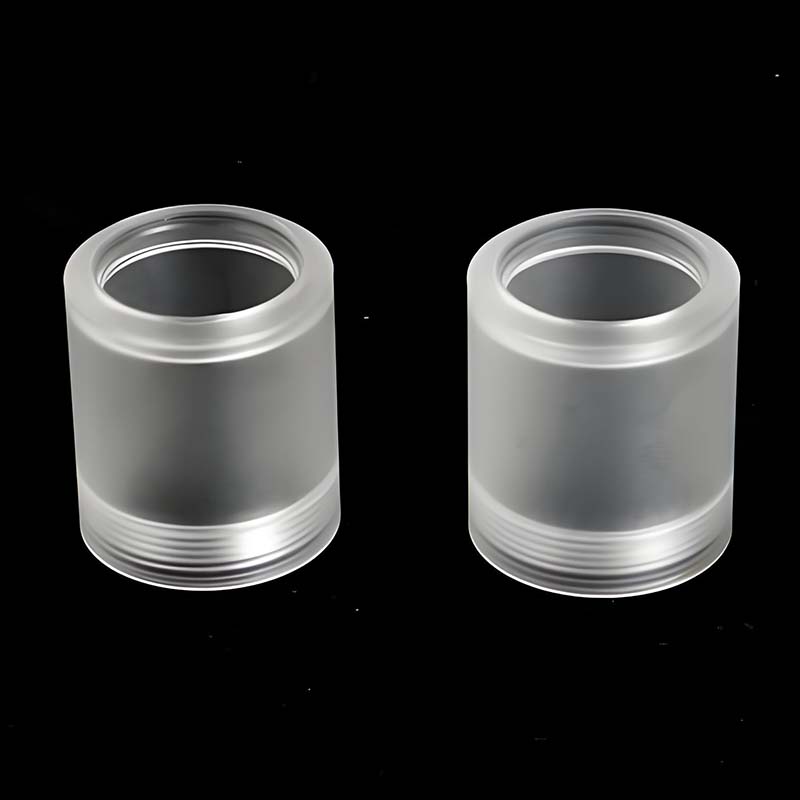
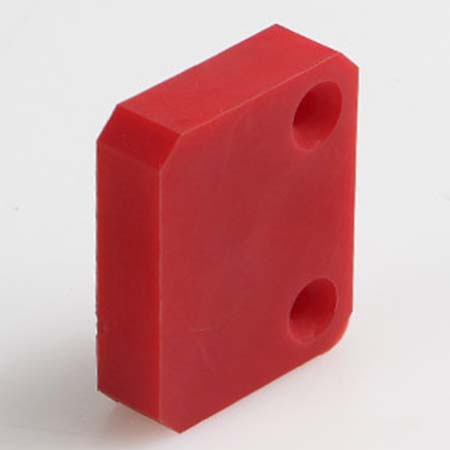
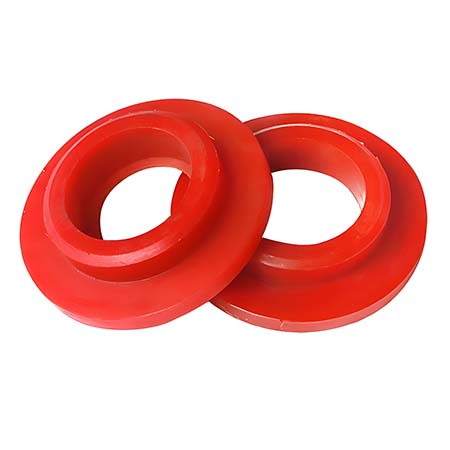
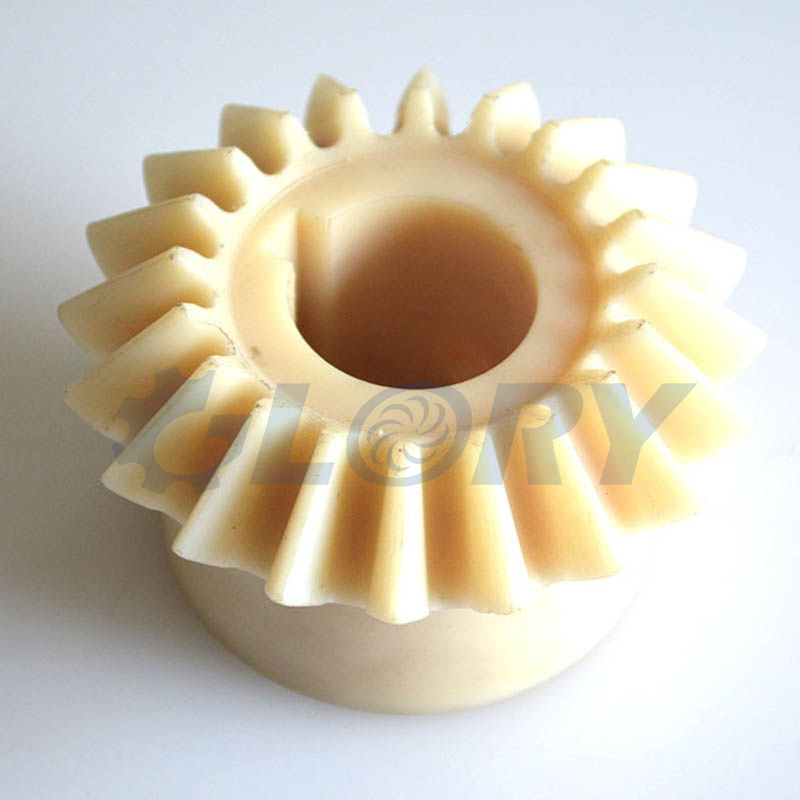
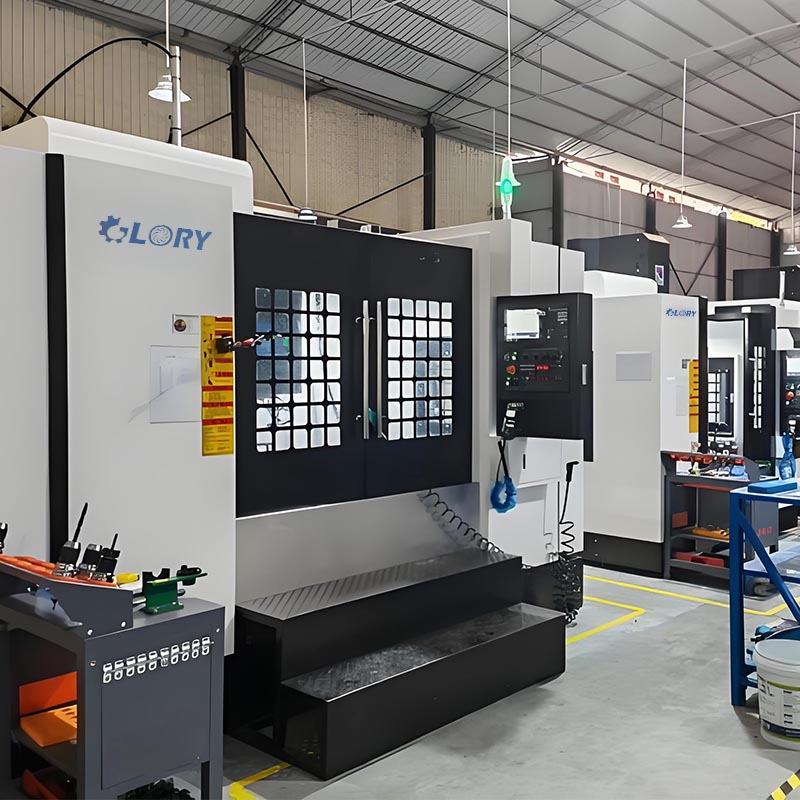
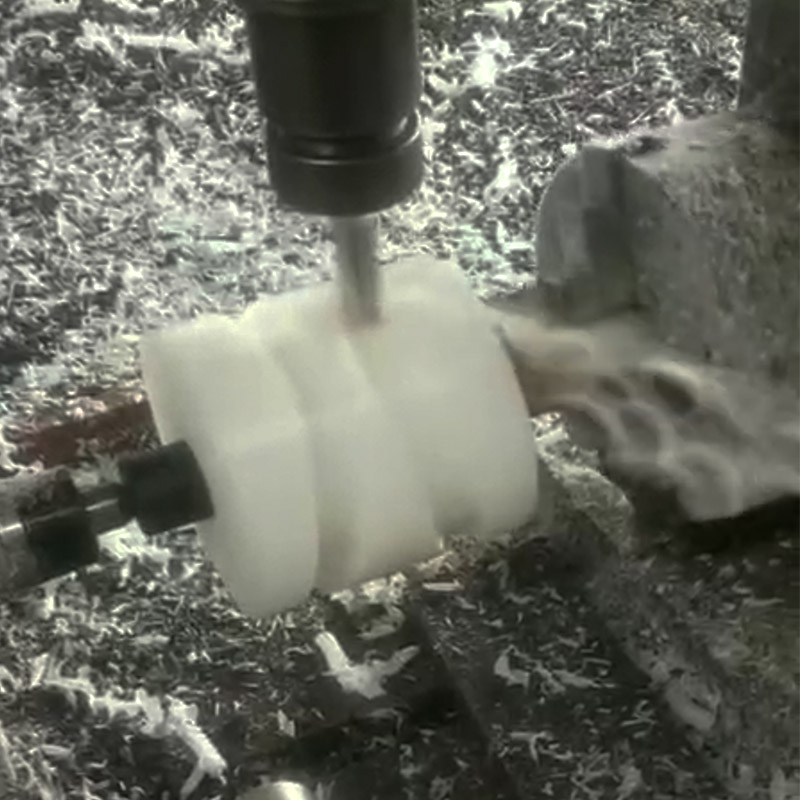
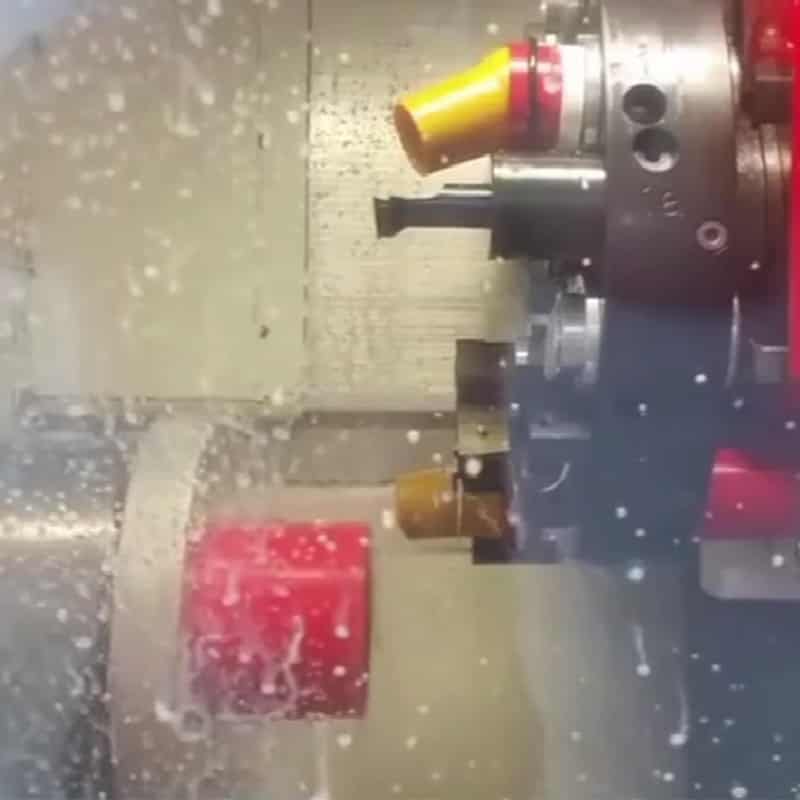
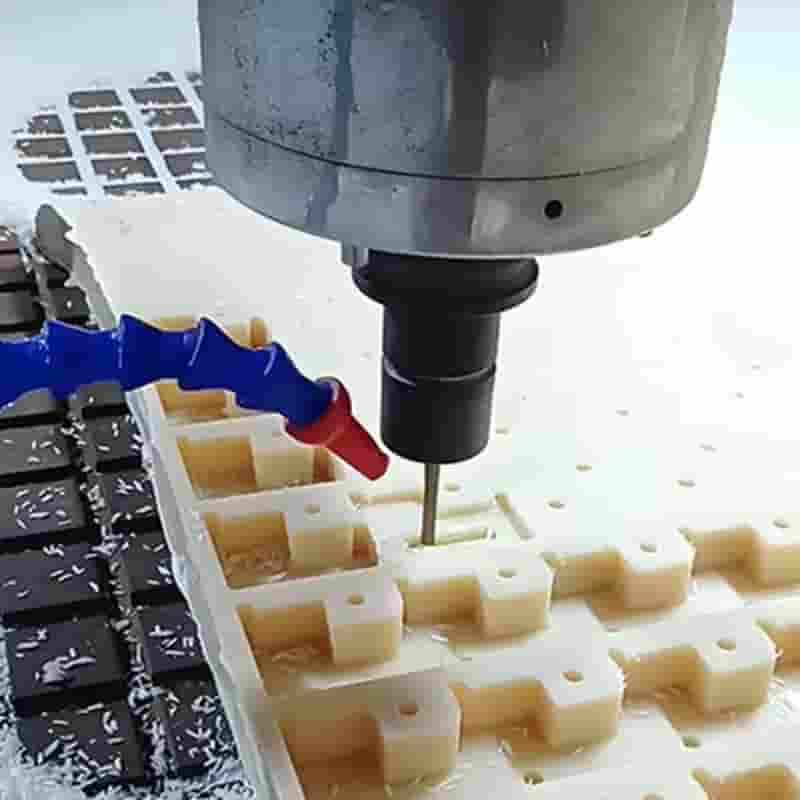
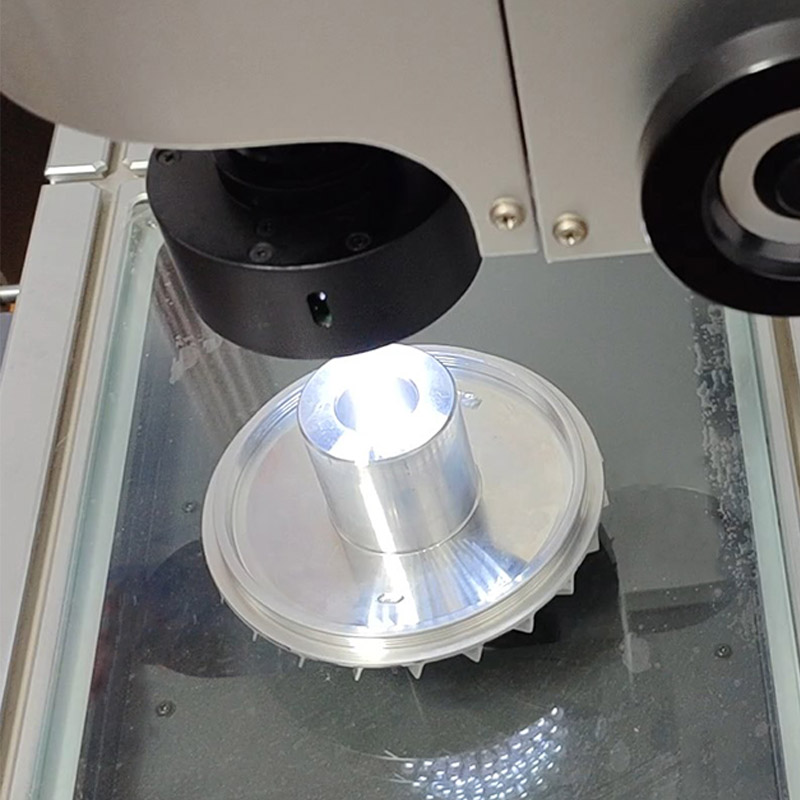
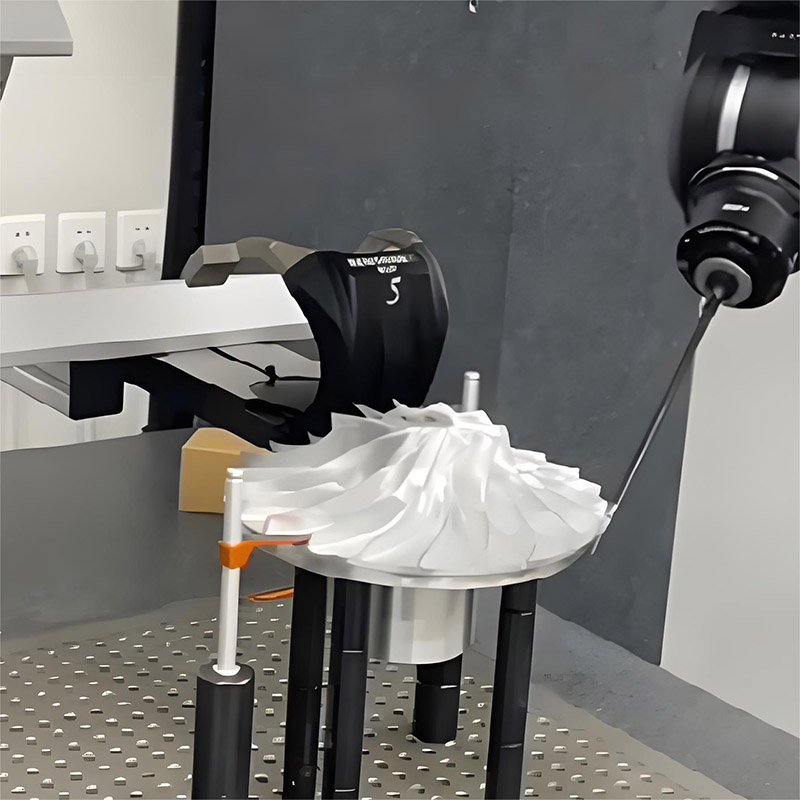
We specialize in machining various custom engineering plastic parts both prototype and production.

Because of our extensive project experience and deep understanding of plastic material processing capabilities. Whether it’s dimensional accuracy or surface quality, we consistently achieve leading standards in China.

Common plastic materials used for mechanical parts include,

  1. Polypropylene (PP): Known for its good wear resistance and chemical stability, often used to manufacture pipes, valves, and pump bodies.
  2. Polyethylene (PE): Offers excellent impact resistance and abrasion resistance, suitable for making bearings, gears, and mechanical parts.
  3. Polystyrene (PS): Easy to process and mold, used for manufacturing insulation cups, models, and some mechanical parts.
  4. Polymethyl methacrylate (PMMA): High transparency and good weather resistance, commonly used for making displays, light fixtures, and lenses.
  5. Polyester resin (PET): High strength and good heat resistance, frequently used for making enclosures and structural components of mechanical parts.
  6. Nylon (PA): Excellent wear resistance and impact resistance, widely used for manufacturing bearing housings, gears, and bushings.

Our extensive machining experience with engineering plastic parts across various industries has allowed us to accumulate rich expertise. 

Key aspects of plastic material CNC machining performance

  1. Machinability: Some plastics are easier to machine than others, influenced by factors such as hardness, thermal stability, and abrasiveness.

  2. Formability: Plastics can be molded or extruded into complex shapes. Formability is affected by the material’s melt flow index, viscosity, and elasticity.

  3. Surface Finish: Achieving a smooth surface finish often depends on the material’s melt temperature range, shrinkage rate, and mold design.

  4. Dimensional Stability: Plastics expand and contract with temperature changes. High-performance plastics are engineered to minimize dimensional changes.

  5. Strength and Durability: Different plastics offer varying degrees of mechanical strength, impact resistance, and fatigue resistance.

  6. Chemical Resistance: Plastics may resist or degrade when exposed to chemicals. Resistance depends on the material’s chemical composition and molecular structure.

Plastic Materials for CNC Machining

Plastic Materials for CNC Machining

A comprehensive reference guide for material properties, processing methods, and applications of common plastic materials used in CNC machining

Plastic Type Material Properties Processing Methods Surface Treatment Typical Applications Cost Machining Tips
ABS (Acrylonitrile Butadiene Styrene)
Thermoplastic
  • Good impact resistance
  • Easy to machine
  • Moderate strength
  • Susceptible to UV degradation
  • Good electrical insulation properties
  • Injection Molding
  • CNC Machining
  • 3D Printing (FDM)
  • Vacuum Forming
  • Extrusion
  • Painting
  • Electroplating
  • Polishing
  • UV Protective Coating
  • Toys and consumer products
  • Electronic enclosures
  • Automotive interior parts
  • Legos and building blocks
  • Prototype models
Low to Moderate Use sharp tools; Control cutting speed to avoid melting; Good chip formation; Minimal tool wear
PE (Polyethylene)
Thermoplastic
  • Low friction
  • Good chemical resistance
  • Soft (low strength)
  • Prone to warping
  • Excellent electrical insulator
  • Injection Molding
  • CNC Machining
  • Blow Molding
  • Rotational Molding
  • Extrusion
  • Surface Corona Treatment (for printing)
  • Coating (for UV protection)
  • Texturing
  • Flame Treatment
  • Plastic bags and films
  • Bottles and containers
  • Industrial tanks
  • Food packaging
  • Piping systems
Low Use sharp tools; Control machining temperature to reduce warping; Can be gummy; Good for low-stress applications
PP (Polypropylene)
Thermoplastic
  • Lightweight
  • Good chemical resistance
  • Low moisture absorption
  • Tends to warp
  • Good fatigue resistance
  • Injection Molding
  • CNC Machining
  • Thermoforming
  • Extrusion
  • Blow Molding
  • Surface Flame Treatment (for adhesion)
  • Coating (for aesthetics)
  • Embossing
  • Plasma Treatment
  • Food containers
  • Automotive bumpers
  • Furniture parts
  • Medical devices
  • Living hinges
Low to Moderate Use coolant; Clamp firmly to prevent warping during machining; Sharp tools essential; Moderate cutting speeds
PC (Polycarbonate)
Engineering Plastic
  • High impact strength
  • Good transparency
  • Heat-resistant
  • Notch-sensitive
  • Good dimensional stability
  • Injection Molding
  • CNC Machining
  • Thermoforming
  • Extrusion
  • Blow Molding
  • Edge Polishing
  • Anti-scratch Coating
  • Silk-screening
  • Hard Coating
  • Safety glasses and face shields
  • Optical lenses
  • Automotive headlamp lenses
  • Electronic components
  • Medical devices
Moderate to High Use coolant during machining; Avoid stress concentration; Sharp tools with positive rake; Low feed rates
Nylon (PA 6, PA 66)
Engineering Plastic
  • High wear resistance
  • Good toughness
  • Moisture-absorbent (affects dimensions)
  • Good chemical resistance
  • Self-lubricating
  • Injection Molding
  • CNC Machining
  • Extrusion
  • 3D Printing (SLS)
  • Compression Molding
  • Annealing (to reduce internal stress)
  • Coating (for moisture protection)
  • Texturing
  • Dyeing
  • Gears and bearings
  • Automotive under-hood parts
  • Electrical connectors
  • Sporting goods
  • Industrial components
Moderate Use slow cutting speeds; Keep tools sharp; Account for moisture-related dimensional changes; Can be gummy
Acrylic (PMMA)
Engineering Plastic
  • High transparency
  • Brittle
  • Easy to scratch
  • Good weather resistance
  • Excellent optical clarity
  • Injection Molding
  • CNC Machining
  • Laser Cutting
  • Thermoforming
  • Extrusion
  • Flame Polishing
  • Anti-scratch Coating
  • Printing
  • Vapor Polishing
  • Signage and displays
  • Display cases
  • Optical components
  • Automotive lenses
  • Aquarium windows
Moderate Use low cutting forces; Avoid rough handling to prevent chipping; Sharp tools essential; Can crack if stressed
POM (Polyoxymethylene)
Engineering Plastic
  • High stiffness
  • Low friction
  • Good dimensional stability
  • Brittle at low temperatures
  • Excellent creep resistance
  • Injection Molding
  • CNC Machining
  • Extrusion
  • Blow Molding
  • Compression Molding
  • Surface Polishing
  • Anti-static Coating
  • Laser Marking
  • Plating
  • Zipper teeth
  • Precision gears
  • Plumbing fittings
  • Automotive components
  • Electrical insulators
Moderate Use sharp tools; Avoid machining at very low temperatures; Good dimensional stability; Produces long chips
PEEK (Polyetheretherketone)
High-Performance Plastic
  • Excellent thermal stability
  • High mechanical strength
  • Excellent chemical resistance
  • Good wear resistance
  • Low smoke and toxic gas emission
  • CNC Machining
  • Injection Molding
  • Extrusion
  • 3D Printing (FDM)
  • Compression Molding
  • Surface Polishing
  • Plasma Treatment
  • Coating
  • Laser Marking
  • Aerospace components
  • Medical implants
  • Semiconductor manufacturing
  • Oil and gas equipment
  • High-temperature bearings
High Use sharp carbide tools; High cutting speeds with low feed rates; Good chip formation; Coolant recommended
PTFE (Polytetrafluoroethylene)
High-Performance Plastic
  • Excellent chemical resistance
  • Very low friction
  • Non-stick properties
  • Excellent electrical insulation
  • Soft and deformable
  • CNC Machining
  • Compression Molding
  • Ram Extrusion
  • Paste Extrusion
  • Isostatic Pressing
  • Etching (for bonding)
  • Coating
  • Surface Texturing
  • None typically needed
  • Non-stick coatings
  • Chemical processing equipment
  • Electrical insulation
  • Bearings and seals
  • Medical devices
High Soft and gummy; Use very sharp tools; Low cutting speeds; Can be difficult to hold dimensional tolerances
PEI (Polyetherimide) - Ultem
High-Performance Plastic
  • High heat resistance
  • Excellent mechanical properties
  • Inherent flame resistance
  • Good dimensional stability
  • Transparent amber color
  • CNC Machining
  • Injection Molding
  • Extrusion
  • 3D Printing (FDM)
  • Thermoforming
  • Surface Polishing
  • Coating
  • Plating
  • Laser Marking
  • Aerospace components
  • Medical sterilization equipment
  • Electrical insulators
  • Automotive under-hood parts
  • Food processing equipment
High Use sharp carbide tools; Moderate cutting speeds; Good dimensional stability; Can be brittle
PET (Polyethylene Terephthalate)
Thermoplastic
  • Good mechanical properties
  • Excellent barrier to gases
  • Good chemical resistance
  • Transparent
  • Recyclable
  • Injection Molding
  • CNC Machining
  • Extrusion Blow Molding
  • Thermoforming
  • Stretch Blow Molding
  • Coating
  • Printing
  • Surface Treatment
  • Metallization
  • Beverage bottles
  • Food packaging
  • Textile fibers
  • Electrical insulation
  • Engineering components
Medium Use sharp tools; Moderate cutting speeds; Can be brittle; Good for precision parts
PBT (Polybutylene Terephthalate)
Engineering Plastic
  • Good mechanical properties
  • Excellent electrical properties
  • Low moisture absorption
  • Good chemical resistance
  • Fast cycling in molding
  • Injection Molding
  • CNC Machining
  • Extrusion
  • Blow Molding
  • Thermoforming
  • Painting
  • Plating
  • Laser Marking
  • Texturing
  • Electrical connectors
  • Automotive components
  • Household appliances
  • Consumer electronics
  • Lighting components
Medium Good machinability; Use standard cutting tools; Moderate speeds and feeds; Low warpage
PPS (Polyphenylene Sulfide)
High-Performance Plastic
  • Excellent thermal stability
  • Outstanding chemical resistance
  • Inherent flame resistance
  • Good dimensional stability
  • Low moisture absorption
  • Injection Molding
  • CNC Machining
  • Extrusion
  • Compression Molding
  • Transfer Molding
  • Surface Treatment
  • Coating
  • Plating
  • Laser Marking
  • Electrical components
  • Automotive under-hood parts
  • Chemical processing equipment
  • Aerospace components
  • Industrial applications
High Use carbide tools; High cutting speeds; Good dimensional stability; Abrasive to tools